
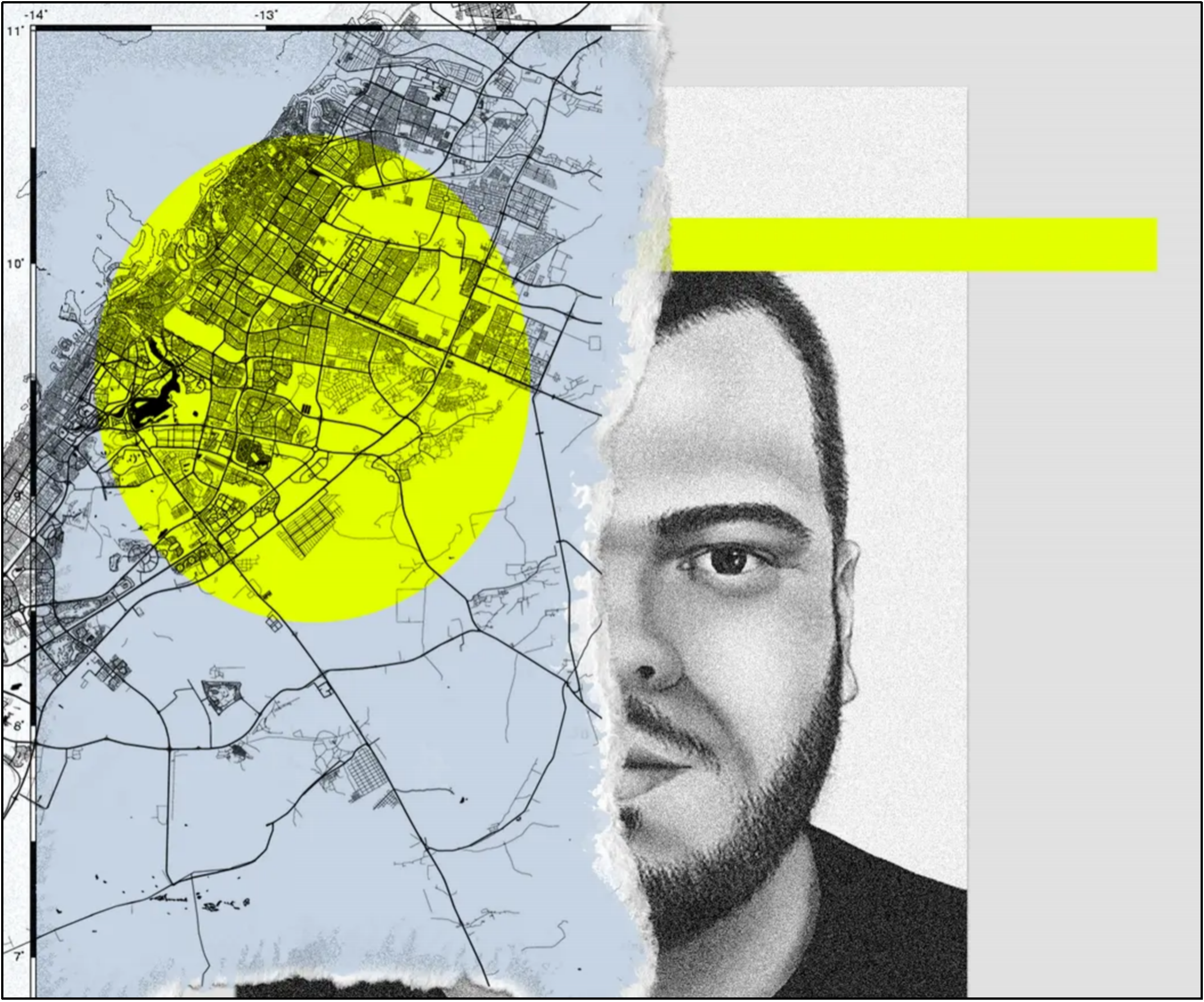
Dubai has arrested a Pakistan-born financial intermediary long suspected of moving large sums of criminal proceeds for organised crime figures as part of an international law enforcement operation, an investigation by Dutch outlets AD and Follow the Money and a Europol announcement say. The 46-year-old suspect, known by several aliases including “Sadiq,” “Saad de Paak” and “Dolfijn” (Dolphin), was arrested last July as part of a coordinated probe into transnational money laundering.
Europol said it arrested 20 suspects in several countries and seized millions of euros in assets, including bank deposits, real estate, and luxury vehicles. The agency’s public statement alluded to a “high-value target” named “Dubai Bank” but did not identify the suspect cited in the AD and Follow the Money reports.
The investigation report says Muhammad A. is said to have worked as a “narco-banker” – a specialist who helps illegal money move, be collected and be changed into something else away from normal banks. The outlets reported that, according to law enforcement sources, he was responsible for managing money for some of Europe’s most infamous organised crime figures, including a Dutch trafficker known as “Bolle Jos” (Jos Leijdekkers) and members of the so-called “super-cartel” tied to Ridouan Taghi and Italian criminal Raffaele Imperiale.
The suspect is alleged to have been part of the criminal financial ecosystem across multiple continents. These messages formed the basis of a wider investigation, codenamed “Drakkar”, which began in early 2021 and relied on encrypted phone services EncroChat and SKY ECC, which investigators had compromised. Intercepted messages showed the man known as Dolphin was a key coordinator in a network that shipped cash from South America to the UAE, the Netherlands, and back again. Reports say the suspect’s account sent over a million messages related to large-scale cash collection, delivery and transfers.
The suspect also bought large amounts of gold for Bolle Jos, according to documents and registration records reviewed by AD and Follow the Money show, a common technique used by organised criminals to launder or transfer value across borders. Other case files allegedly also indicate links between the suspected banker and other underworld financiers, including Thanas B., who was sentenced to seven years in the Netherlands in 2024 for laundering some €500 million. SKY ECC messages show Thanas B. was told to do so by the man now accused of organising larger cash flows.
The suspect is believed to have a significant commercial presence in Dubai. The investigation revealed property and lease agreements showing ownership of at least 34 apartment units in the city. The holdings are said to generate “millions of euros” in annual rental income and link the suspect to other persons in the Dutch criminal milieu; rental records, for example, allegedly show that a man called Zouhair B., nicknamed “Beertje” (Little Bear) and arrested in November 2022, rented a property from the Dubai portfolio.
The suspect’s background has been described as murky. He was said to have been born in 1980 and worked for Malik Exchange, a currency exchange in Abu Dhabi. In August 2025, the UAE Central Bank suspended Malik Exchange’s licence, citing non-compliance with anti-money laundering laws. The swap is also linked to probes into money laundering and alleged violations of Iran sanctions. Police sources told AD the suspect owned Malik Exchange, but no supporting documentary evidence has been found.
It is impossible to say how much money he may have earned from alleged laundering. Still, Europol has noted that professional money launderers tend to take commissions of between five and 20 per cent of the money they handle. Sources who spoke to AD say the suspect charged a fee in a similar range.
Europol press materials called the operation a multi-jurisdictional strike against a complex financial facilitation network. Investigators also arrested people and seized assets in several countries in addition to the Dubai arrest, but the agency’s public release did not identify the “Dubai Bank” suspect. The AD/Follow the Money report, meanwhile, combines corporate registries, Dubai real estate records and interviews with background sources to identify Muhammad A. as the person behind the aliases found in intercepted communications and criminal case files.
Authorities have not released full details of the charges against the man in custody, and investigators generally caution that arrests and allegations are not evidence of guilt. The case is part of ongoing international investigations into the movement, conversion and integration into legitimate markets of large-scale drug proceeds and illicit funds.
The Drakkar investigation, driven by the use of encrypted communication platforms, shows how law enforcement agencies in Europe and beyond have adapted to the technological tools used by organised crime. The arrest in Dubai is a major advance in those efforts, investigators said, because it hits a node thought to be at the heart of transnational criminal groups’ financial architecture. Prosecutors and police departments are still working through evidence gathered from communications intercepts, financial records and property registries, so there may be more arrests, charges or asset seizures.
