
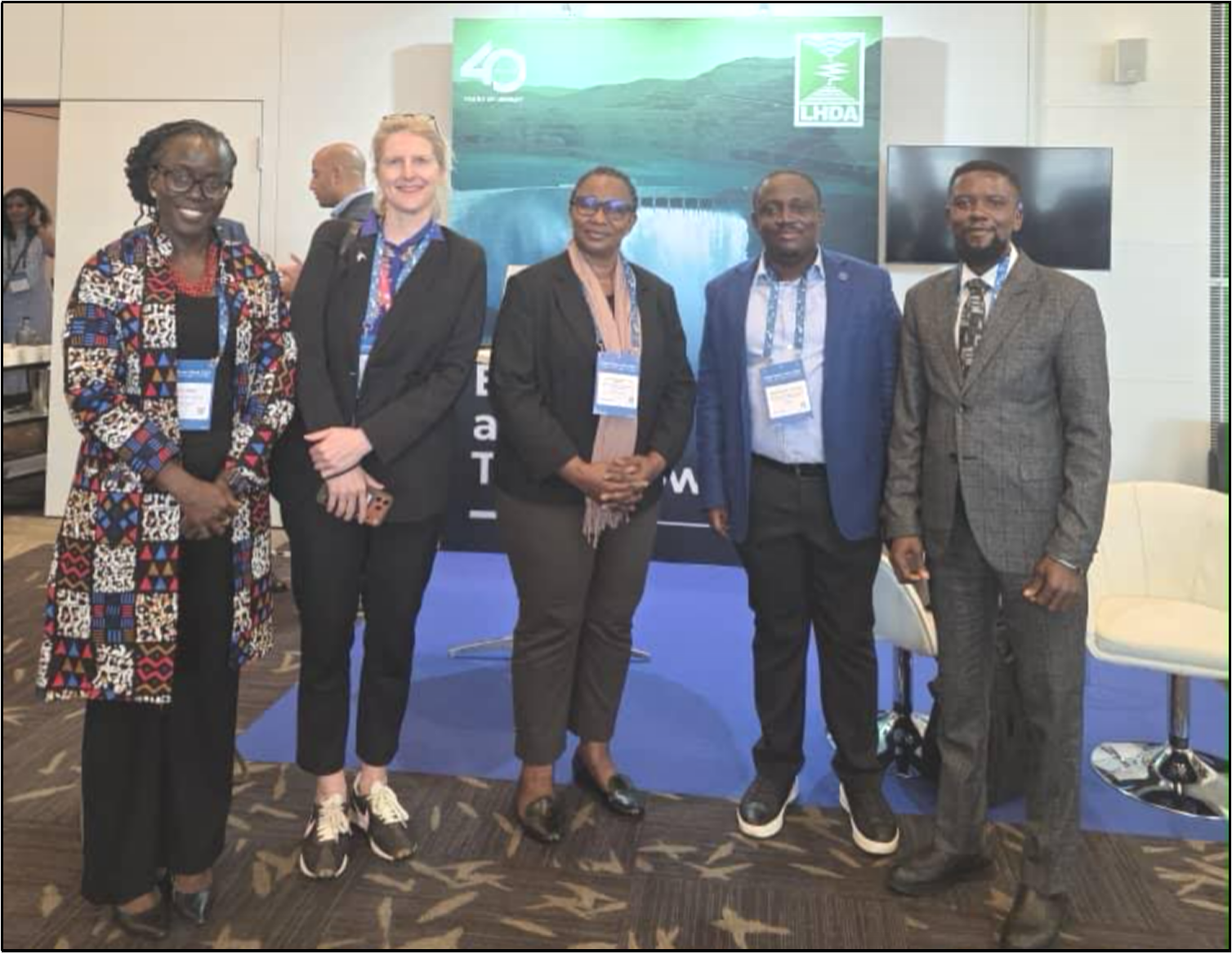
Dr Sao-Kpato Hannah Isatta Macarthy, Sierra Leone’s Minister of Water Resources and Sanitation, will visit Stockholm to participate in a high-level session at World Water Week 2026 (August 23-27) to share a country perspective on improving monitoring of the Means of Implementation for Sustainable Development Goal 6 (SDG 6). The session “Catalysing Action: Strengthening Monitoring of SDG 6 Means of Implementation” will convene national governments, UN agencies, development partners and water sector practitioners to discuss how improved monitoring of financing, governance, institutions, capacity and data can accelerate progress on water, sanitation and hygiene.
Organisers hope the session will build on momentum created by the 2025 Financing for Development process and the 2026 High-Level Preparatory Meeting in Dakar, where participants emphasised the need to strengthen monitoring of the enabling factors that determine a country’s ability to deliver on SDG 6. The discussion will focus on financial flows as a key component of the Means of Implementation, and will also look at institutional leadership, governance, capacity-building and data systems as key enablers.
Dr McCarthy will describe the real-world challenges that Sierra Leone faces in building stronger national monitoring systems, and identify opportunities for reform and investment that could enhance service delivery. Better monitoring can expose systemic bottlenecks, lead to improved investment readiness, enhance accountability and support better informed policy and investment decisions, she said. The Minister emphasised that countries can and should use existing data, tools and methodological guidance developed by organisations such as the World Health Organisation, the OECD and the World Bank to strengthen national systems.
In addition to diagnosis, the Stockholm session will consider how Means of Implementation monitoring can be institutionalised within national planning cycles and sector review processes, so that tracking is routine and linked to decision-making and budgeting. Participants will discuss how to align international monitoring approaches with national realities, how to mobilise resources effectively based on evidence and how to build capacities for data collection, analysis and use.
The debate at World Water Week is expected to provide insights that will feed into preparations for the 2026 UN Water Conference and inform the development of the post-2030 global monitoring framework. By bringing Sierra Leone’s voice to the table, Dr Macarthy wants to ensure that international recommendations take into account the real needs of countries trying to translate global commitments into tangible improvements in water and sanitation services.
