
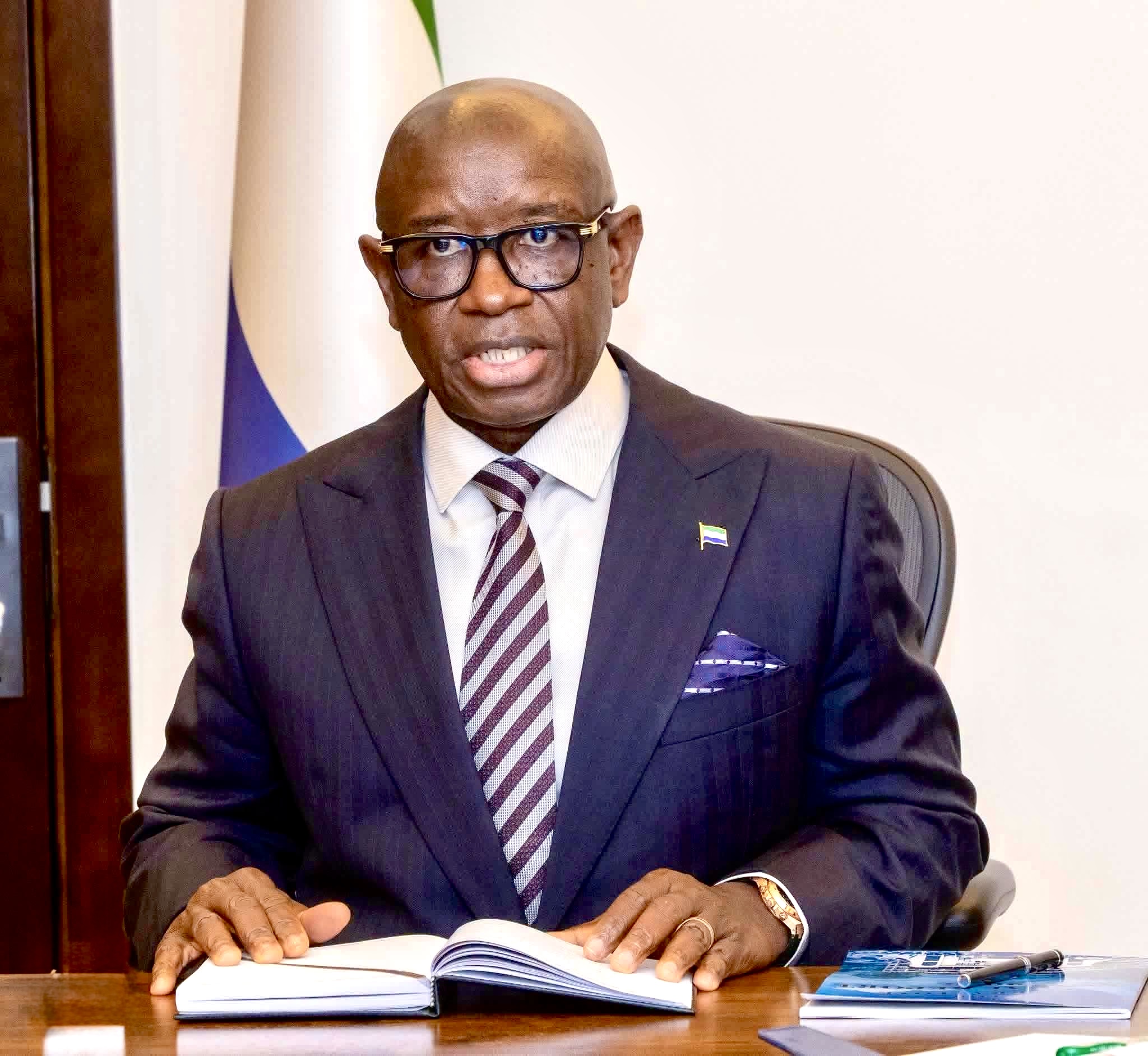
President Julius Maada BioThe impact of Julius Maada Bio on the 1991 Constitution of Sierra Leone is over decades, and three critical interventions defined the country’s constitutional trajectory. President Joseph Saidu Momoh promulgated the 1991 Constitution, which restored multi-party democracy, established a separation of powers, and enshrined fundamental rights in its 192 sections.
But Mr Bio’s actions – as a member of the National Provisional Ruling Council (NPRC) that suspended the constitution in 1992, as a military head of state who organised elections and restored constitutional rule in 1996, and now as an elected president leading a process to amend the constitution in 2026 have ignited some of the most consequential debates about the meaning and future of the constitution.
The story begins in April 1992 when the NPRC overthrew the government of President Joseph Saidu Momoh and the All People’s Congress, thereby suspending the constitution of 1991.
The move was popular at first, thanks to widespread dissatisfaction with the previous regime. One of the main players in the NPRC, Maada Bio, later seized power himself, overthrowing his predecessor and former ally Captain Valentine Strasser in a bloodless internal coup on January 16 1996.
Bio’s military government then organised multi-party presidential and parliamentary elections, leading to a return to civilian rule. On 29th March 1996, he handed over the office to Ahmad Tejan Kabbah, the winner of the election, thus restoring the 1991 Constitution and bringing to an end the chapter of military rule. These two acts, the 1992 suspension and the 1996 handover, established Maada Bio’s early legacy as a radical change agent and transitional leader returning power to civilians.
Eventually, many Sierra Leoneans accepted the need to review the 1991 Constitution to reflect current democratic norms and realities. Political and civic circles resounded with calls for the amendment, modernisation, and clarification of institutional roles. Fast forward to 2026: President Julius Maada Bio, now in his second term as an elected president, has moved to amend the 1991 Constitution, making him the first person to play three major roles in the founding
Constitutional reform used to be a widely held belief but the way the amendment process has been handled in Parliament has now made it a hotly debated topic.
The flashpoint came on August 10, 2026, when parliamentary moves to complete the amendment process sparked a fierce backlash. The bill was passed through Parliament by the ruling Sierra Leone People’s Party (SLPP) majority and the Speaker, a move that has been questioned by critics from all walks of life. The opposition leader in Parliament described the process as “treasonous” and publicly accused the Speaker and all members who took part in the contentious process of undermining constitutional order. The explosion stoked concerns about transparency, due process and the legitimacy of the vote.
Civil society and organised labour increased the pressure. The Sierra Leone Labour Congress in particular called on President Bio to refrain from signing the Amendment Bill into law until Parliament corrects procedural defects and follows the correct process as mandated by the Constitution. Important individuals from the governing party have also sounded the alarm. Former SLPP National Secretary-General, respected lawyer and senior political figure, Sulaiman Banja Tejan-Sie, called on the President not to proceed with the amendment of the Constitution by signing the bill, citing procedural flaws and the importance of respecting constitutional norms.
“An increasing number of private lawyers, civil society organisations and ordinary citizens say the substance of change cannot be separated from the legitimacy of procedure and have joined the call for a transparent re-opening of the amendment process. What has replaced popular acceptance of the need for constitutional reform is concern that the manner in which amendments are finalised may threaten the democratic principles which the reformers sought to bolster.
The country awaits the response of President Bio – whether he will sign, hold back his signature pending remedial action, or engage in further dialogue, but the controversy highlights the enduring tension between ends and means in constitutional politics. Bio’s three-fold engagement with the 1991 Constitution is now read through competing lenses: the trajectory of a leader who both derailed and restored constitutional order; and the current custodian whose approach to reform may either buttress or undermine the next chapter of the Constitution.
