
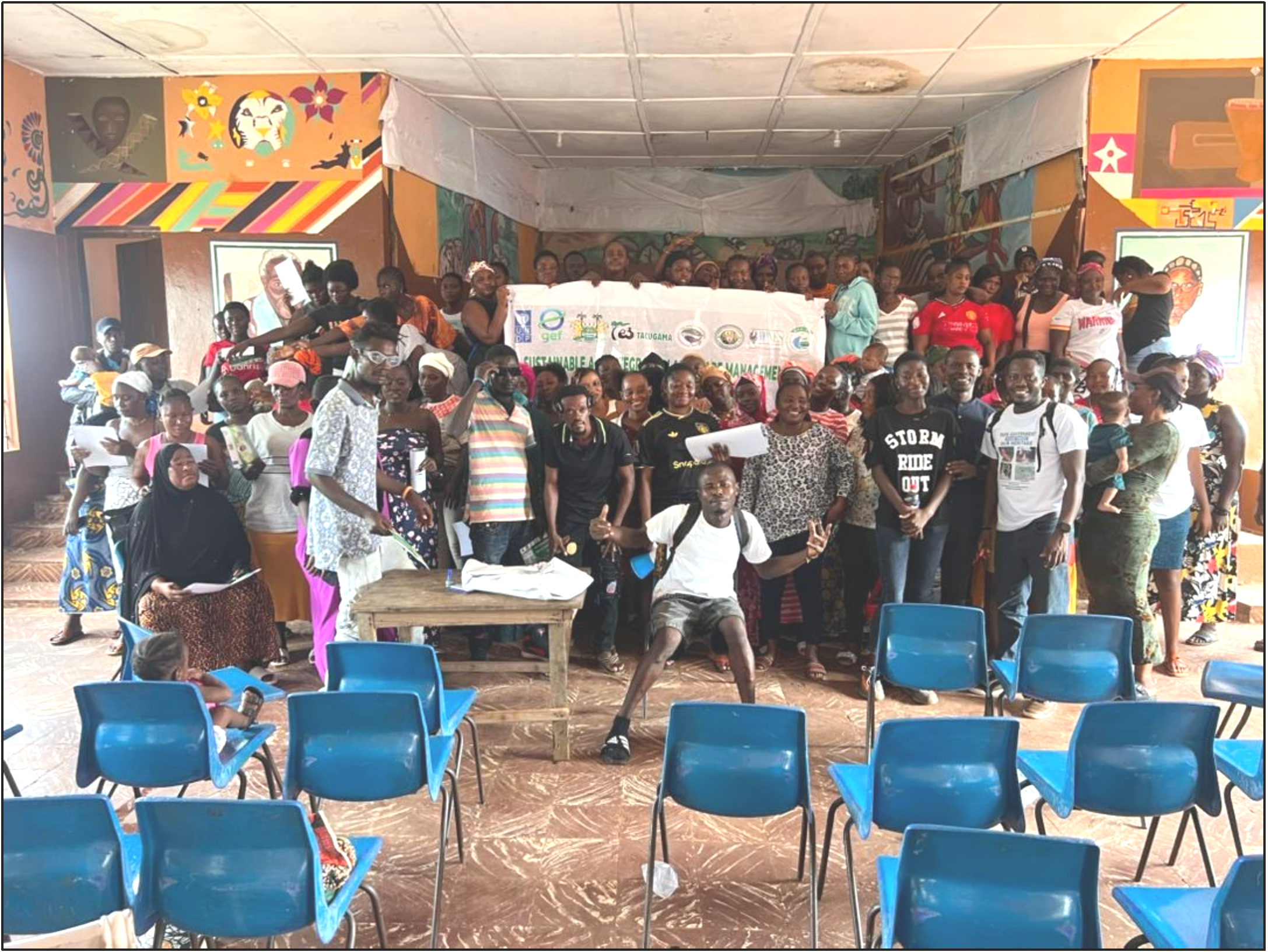
The Tacugama Chimpanzee Sanctuary (TCS), in collaboration with the Government of Sierra Leone, the United Nations Development Programme (UNDP) and the Global Environment Facility (GEF), on Saturday, 27th June, 2026, wrapped up a four-day sensitisation and community awareness campaign in eight communities within the Western Area Peninsula National Park. The outreach is part of the Sustainable and Integrated Landscape Management of the Western Area Peninsula (WAP) Project, which aims to address widespread forest loss that poses a threat to biodiversity, local water sources and the livelihoods of forest-dependent households.
In recent years, deforestation on the Western Area Peninsula has been worryingly increasing. Deforestation for agriculture, timber, infrastructure, stone mining, and charcoal production threatens one of Sierra Leone’s most important protected areas. The decrease in forest cover has wide-ranging effects such as loss of species and habitat, increased climate change due to carbon emissions, soil erosion and degradation, disruption of local water cycles and increased vulnerability for indigenous and rural communities who rely on forest resources for food, medicine and income.
The WAP Project worked directly with eight communities with high rates of deforestation. These communities are Markobeh, Robgelor, Tokeh, River Number Two Community, Sussex, Last Banking (Aberdeen), Barthurst and Charlotte. The project partners found that despite interventions from government agencies and non-governmental organisations (NGOs), there was still a gap in grassroots awareness and participation. This is the gap that the recent campaign tried to fill.
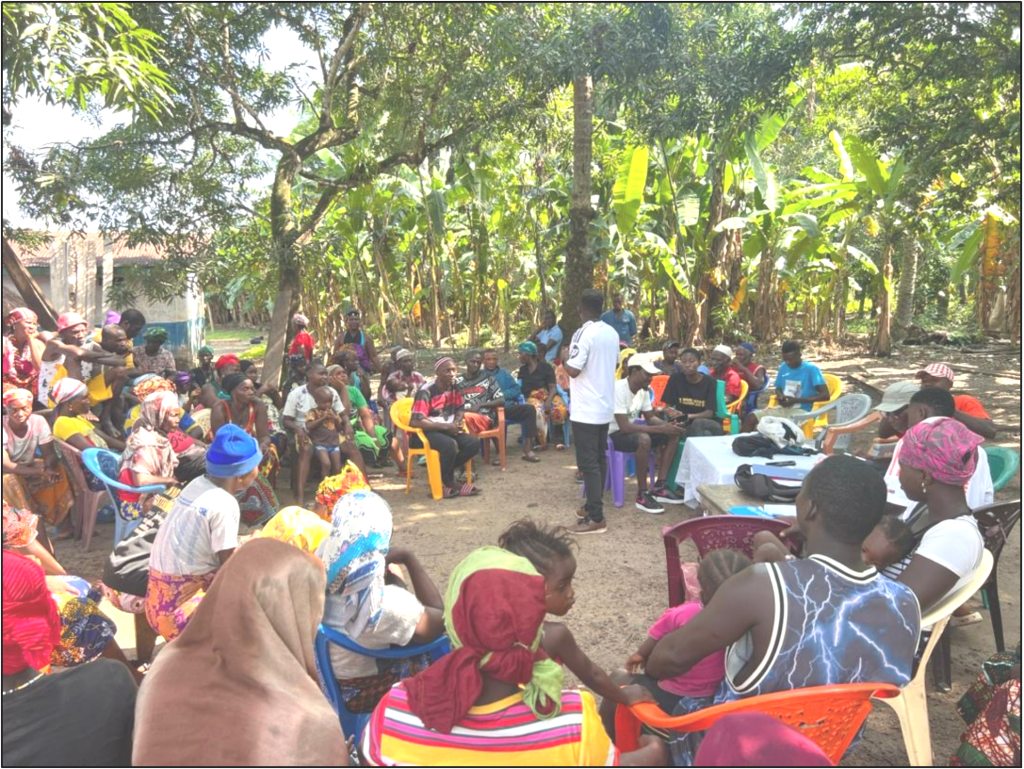
During the four days, facilitators worked with local leaders and community stakeholders to mobilise residents and provide interactive workshops specific to each community. The sessions were conducted in local languages using culturally appropriate materials (including posters, storytelling and practical demonstrations) to ensure that messages are understood and applied. The causes and effects of deforestation were discussed with special reference to links between forest loss and climate change, the value of biodiversity and realistic sustainable livelihood alternatives that can relieve pressure on remaining forested areas.
The campaign was inclusive and participatory, promoting dialogue and the creation of local organisations for the defence of the environment. Organisers invited members of the community to identify drivers of forest loss and co-create measures to address them, in an effort to encourage ownership and longer-term behavioural change. The workshops also sought to strengthen cooperation between community members, local governments and environmental stakeholders to ensure that conservation efforts are coordinated and enforced where necessary.
The organisers were very clear about the impact they expect: 80% of the community members in each of the eight target communities will be more aware of deforestation and its effects; activities that contribute to forest loss will be reduced by adopting new practices; and cooperation between communities and environmental agencies will be strengthened.
The campaign of sensitisation is not only targeting immediate targets but also creating a ripple effect of environmental awareness throughout the peninsula. The aim is to support these vulnerable communities to put in place community-led protective measures and sustainable alternatives that will not only help to reduce existing deforestation, but also provide a foundation for long-term stewardship and resilience for generations to come. The campaign is part of a strategy within wider multi-stakeholder initiatives to balance the need to conserve the remaining forests of the Western Area Peninsula with the needs of local development.
