
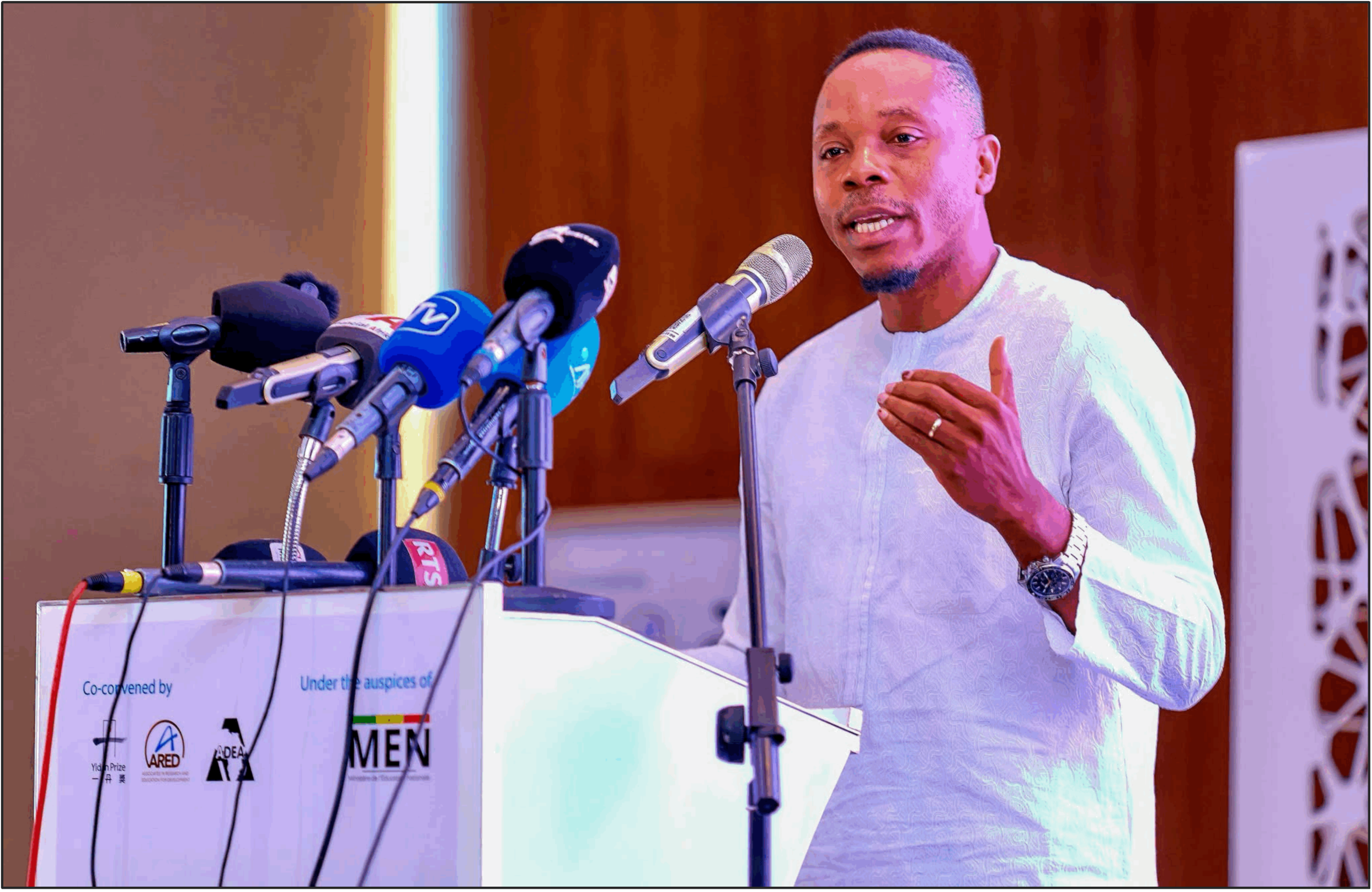
In his keynote address at the Yidan Prize Africa Conference in Dakar, Dr David Moinina Sengeh, former Minister of Basic and Senior Secondary Education and Chief Innovation Officer of the Government of Sierra Leone, called for greater investment in education and inclusive leadership to ensure the responsible use of artificial intelligence.
Sengeh said the world is seeing unprecedented political, environmental and technological changes, from escalating conflicts and climate-related crises to shifting demographics and the rapid arrival of powerful AI systems. “Addressing these complex challenges will require an intentional approach to leadership that emphasises inclusion and equitable access to opportunity,” Dr Sengeh said. Effective leaders must marry scientific literacy, technological awareness and strong execution skills to turn policy and innovation into real improvements for citizens.
Without that combination of knowledge and delivery, he warned, the benefits of progress will not be evenly shared. “AI used wisely had the potential to transform the way public services were delivered and to promote equity,” Sengeh said. He called on governments, researchers, technologists and communities to work together to create governance systems that direct the development of AI toward becoming more inclusive, accountable and effective, without reinforcing existing inequalities.
Dr Sengeh also spoke about the importance of long-term funding for education for economic growth, democratic stability, and human development, calling it an investment, not a cost.
He pointed to recent Yidan Prize-winning education research on language as an example of locally-driven innovation that could revolutionise classroom practice and learning outcomes. Examples like these, he said, demonstrate the need for continued collaboration between governments, researchers and communities to develop solutions that meet local needs and circumstances.
Dr Sengeh concluded by stressing that the future of education and artificial intelligence must be “co-created.” He said only inclusive societies with continued investment and collaboration across sectors could deliver equitable outcomes and long-term development.
