
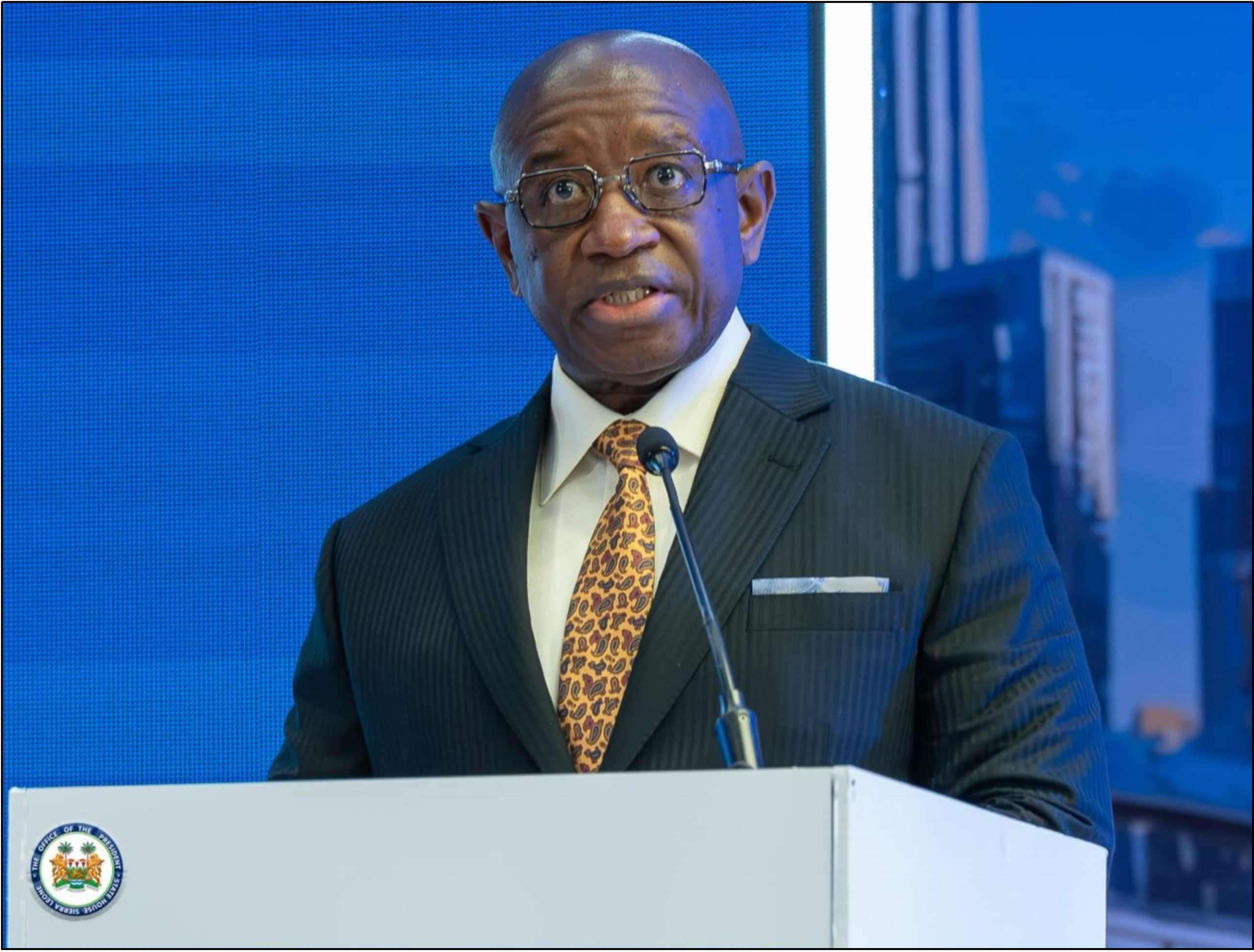
Ghana-Sierra Leone President Dr Julius Maada Bio has called on African countries to boost their productive capacity and economic independence, noting that the continent should not be limited to exporting raw materials and importing finished products.
President Bio, who delivered the keynote address at the Elevate Africa Convening 2026 in Accra, Ghana, on the theme: “Africa: Defining Her Future,” said political independence has to be complemented by the ability to set development priorities, create opportunities and get greater value from the continent’s natural and human resources.
“Political independence gave us the power to make our own choices. “True sovereignty is the ability to implement those decisions,” he said.
President Bio defined sovereignty as not only the right to make national decisions but also the economic and institutional capacity to implement them. African countries, he said, should be able to educate their children, feed their populations, develop industries and negotiate international agreements that are in their interests.
“Africa is at a watershed moment,” the President said, as global economic relationships shift, development financing becomes more difficult, technology moves at a rapid pace, and the world’s interest in Africa’s resources grows. He urged African leaders to respond with confidence, sharpen their negotiating skills, and better understand their common and individual national interests.
He said that Africa must be able to produce, process, innovate and compete to translate its resources into broad-based prosperity. He acknowledged the significance of international collaboration.
Our resources must create industries, jobs and wealth for our citizens. “This is how economic sovereignty becomes reality,” he explained.
President Bio pushed for investment in industries that process minerals and agricultural products, creating jobs and retaining more economic value on the continent. “If Africa continues to export raw materials to the world and import finished goods, it cannot be prosperous in the long term,” he said.
The President referred to Sierra Leone’s development priorities and cited the launching of the Free Quality School Education Program in 2018 as an example of his administration’s decision to place education at the heart of national development. He said poverty shouldn’t block a child’s future opportunities.
He also mentioned the Feed Salone initiative to improve food security, support farmers and provide more opportunities for young people. Food security is not only about agricultural production, but also national dignity, economic resilience and a country’s ability to withstand external shocks, he said.
The President linked these initiatives to broader governance duties, saying public budgets, government policies and institutional work should align with national priorities. Without that connection, he said, development pledges are less likely to translate into real gains in people’s lives.
President Bio also advocated for African economic integration to yield real benefits, not just agreements and proclamations. He cited the African Continental Free Trade Area as an example, saying regional integration would enable businesses to access markets, move goods across borders, and expand.
“I want to see a business in Freetown that can do business with customers in Accra without unnecessary barriers,” he said.
He said the success of continental integration should be judged by the opportunities it creates for ordinary Africans such as traders, entrepreneurs and businesses, not by the number of meetings or agreements reached. He spoke for stronger African businesses, better access to markets, and for productive industries that can generate jobs.
On leadership and accountability, President Bio challenged participants to translate the Accra discussions into practical commitments, with financing, implementation plans and accountability measures.
“Before we leave Accra, we must all arrive at one commitment that we are ready to finance, implement and be accountable for,” he said.
He urged participants to take concrete actions such as investing in African businesses, removing regional trade barriers and improving access to education and economic opportunities.
“Let Accra be remembered for what we did here and not just what we said,” he continued.
“Africa already has many plans for development, declarations and regional agreements,” the President said. The tougher challenge, he said, was to turn them into something citizens can see and experience. Leaders, investors and other important stakeholders must ensure development goals are supported by sufficient resources, capable institutions and long-term action, he said.
President Bio, drawing lessons from Sierra Leone’s conflict and recovery, highlighted the need to maintain peace through dialogue, justice, accountable governance and respect for constitutional order. He said that political differences should be resolved through trusted institutions and without violence.
Development is conducive to peace. “Strong institutions mean that progress can stay,” he said.
He said Africa’s progress should be linked not to individual leaders but to institutions that can protect public resources, serve the public, and maintain national priorities across changes in political leadership.
“The best legacy of a leader is a country that continues to move forward after he or she has left office,” he said.
The President also called for more opportunities for young Africans to help shape the continent’s future. He stressed the value of education, employment, innovation, entrepreneurship and decision-making to enable young people to contribute.
“We cannot keep calling them leaders of tomorrow while denying them the opportunities to lead today,” he said. He challenged leaders to consider how current decisions on education, public debt, natural resources and development will affect future generations.
In a personal note, President Bio spoke of the influence of his late mother, Yei Amie. “She believed in education,” he said. “And she worked hard and with integrity to open doors for her children, even when there wasn’t much to work with.” He said her example illustrated how today’s sacrifices and decisions could shape the lives of future generations.
To conclude, the President challenged African leaders to consider how future generations would look back on their response to a changing world. “Make hard decisions, keep promises, build institutions that can outlive their term,” he urged them.
“They won’t remember every speech we gave or declaration we signed. They’ll remember what happened because we had the opportunity to lead,” he said.
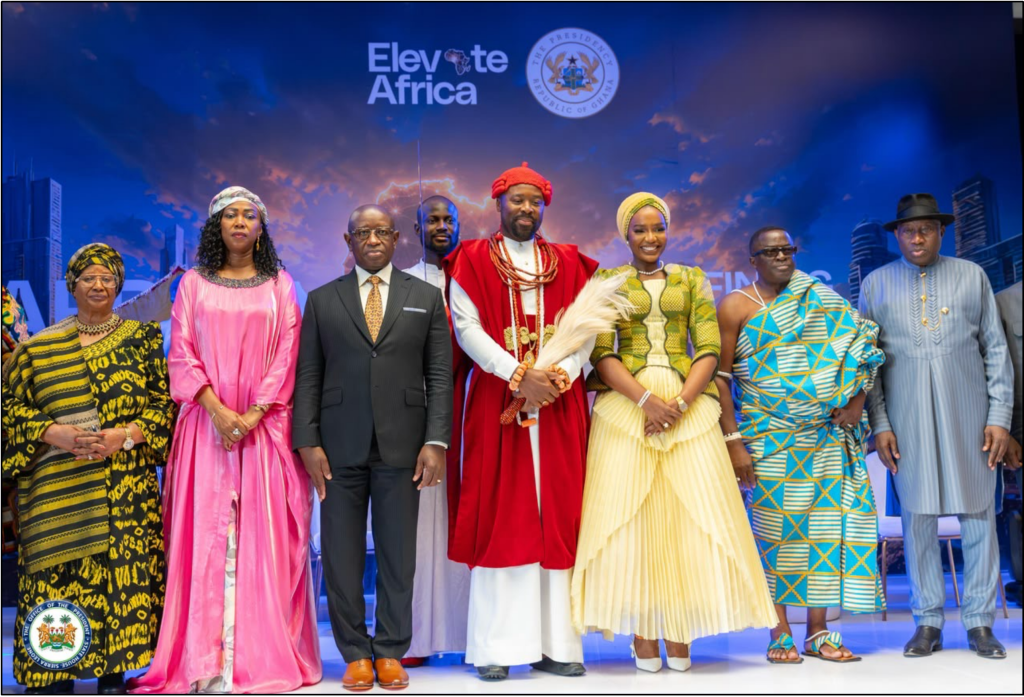
During the opening ceremony, First Lady Fatima Bio also called for the empowerment of women across Africa, saying the continent’s progress depended on the upliftment of African women.
In his address on the future of Africa, President Bio spoke on economic sovereignty, productive capacity, regional integration and accountable leadership. He called on the continent to use its resources to build industries, create jobs and expand opportunities for its people.
