
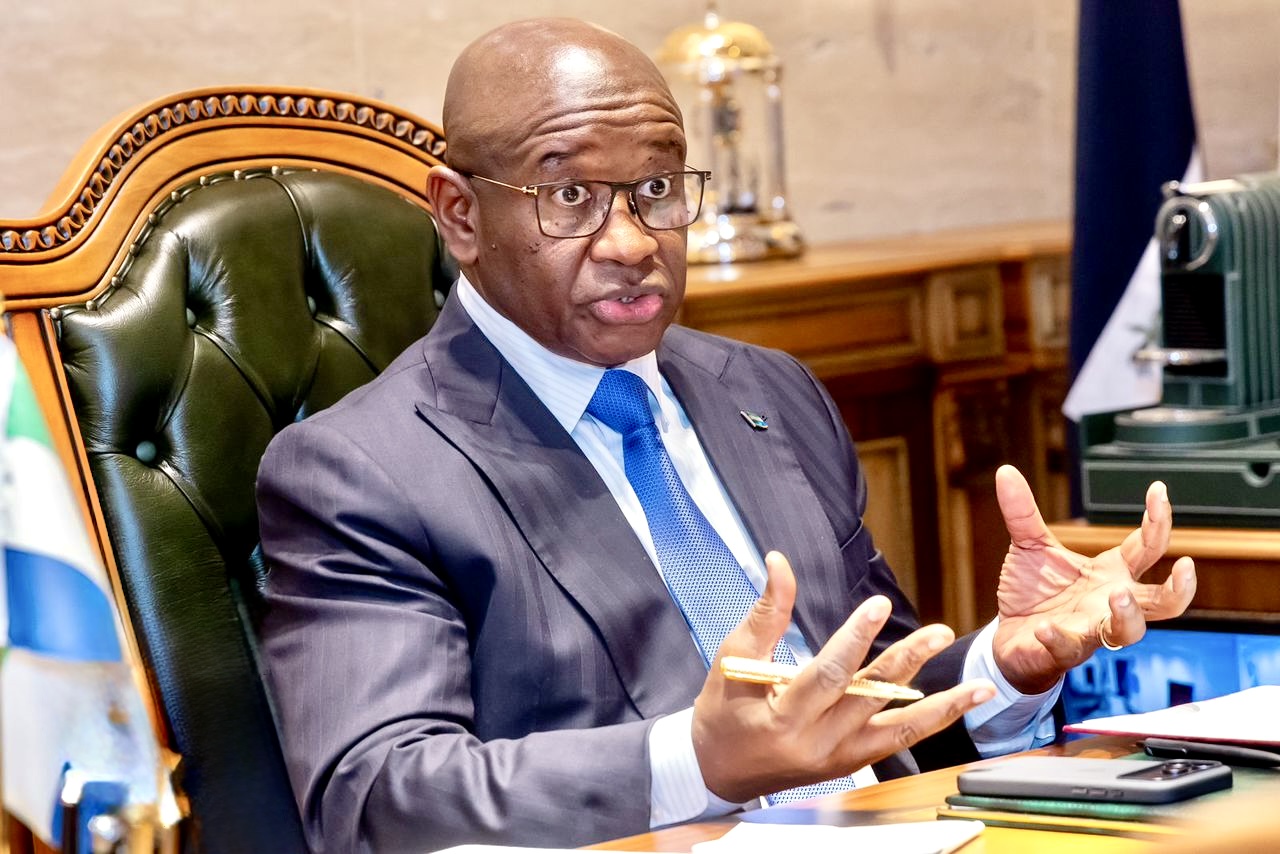
President Julius Maada BioPresident Julius Maada Bio has defended his frequent international travel, telling Sierra Leoneans that he often travels to “Manjalaji” (a local term meaning to beg for help) in developing countries to support young people and address pressing national issues.
Speaking to a small group during his Easter vacation in the country’s southern region, President Bio dismissed criticism of his travel schedule, saying, “People always complain about my frequent travelling, but they don’t know I’m going to ‘Manjalaji’ to support the youths and solve the many problems we face as a nation. To make his point, the president used a local parable: “Waka for natin, Bette pas sedom for natin,” which means that travelling without profit is preferable to staying at home without it.
The statement attempts to portray his trips as proactive outreach to secure aid for Sierra Leone’s youth and development needs. However, the efficacy and justification for these trips have been hotly debated since the president assumed office eight years ago.
Critics argue that the trips provided little tangible benefit, especially given the worrying fiscal trends. The government has struggled with excessive spending and an inflationary wage bill, resulting in significant budgetary pressures in 2024-2025. According to recent reports, there is more than NLE 4 billion (Le 4 trillion) in excess spending above approved budgets, owing primarily to high recurring expenditures on wages, goods, and services.
The government’s total expenditure for 2024 was NLE 25.1 billion (Le 25.1 trillion), more than the budgeted NLE 23.5 billion (Le 23.5 trillion), resulting in an NLE 1.6 billion (Le 1.6 trillion) overspend.
At the same time, capital investment fell by more than 53% as operational costs were prioritised, reducing long-term development prospects. The Auditor-General’s Report has repeatedly highlighted weak spending controls, irregular payments, and failures to surrender surplus revenues, with reports for 2024/2025 indicating significant losses for the state. Rising debt servicing has also increased fiscal pressure, with interest payments expected to rise by 17% in 2024.
The country’s fiscal deficit was 6.50 per cent of GDP in 2023, and the pressures persisted into 2025. Separately, reports indicate that poor financial management resulted in financial leakages totalling $24.7 million. While the president claims that his travels are necessary to secure external support, there is ongoing debate about whether those missions are yielding results or whether domestic fiscal discipline and accountability must be prioritised to stabilise Sierra Leone’s public finances.
