
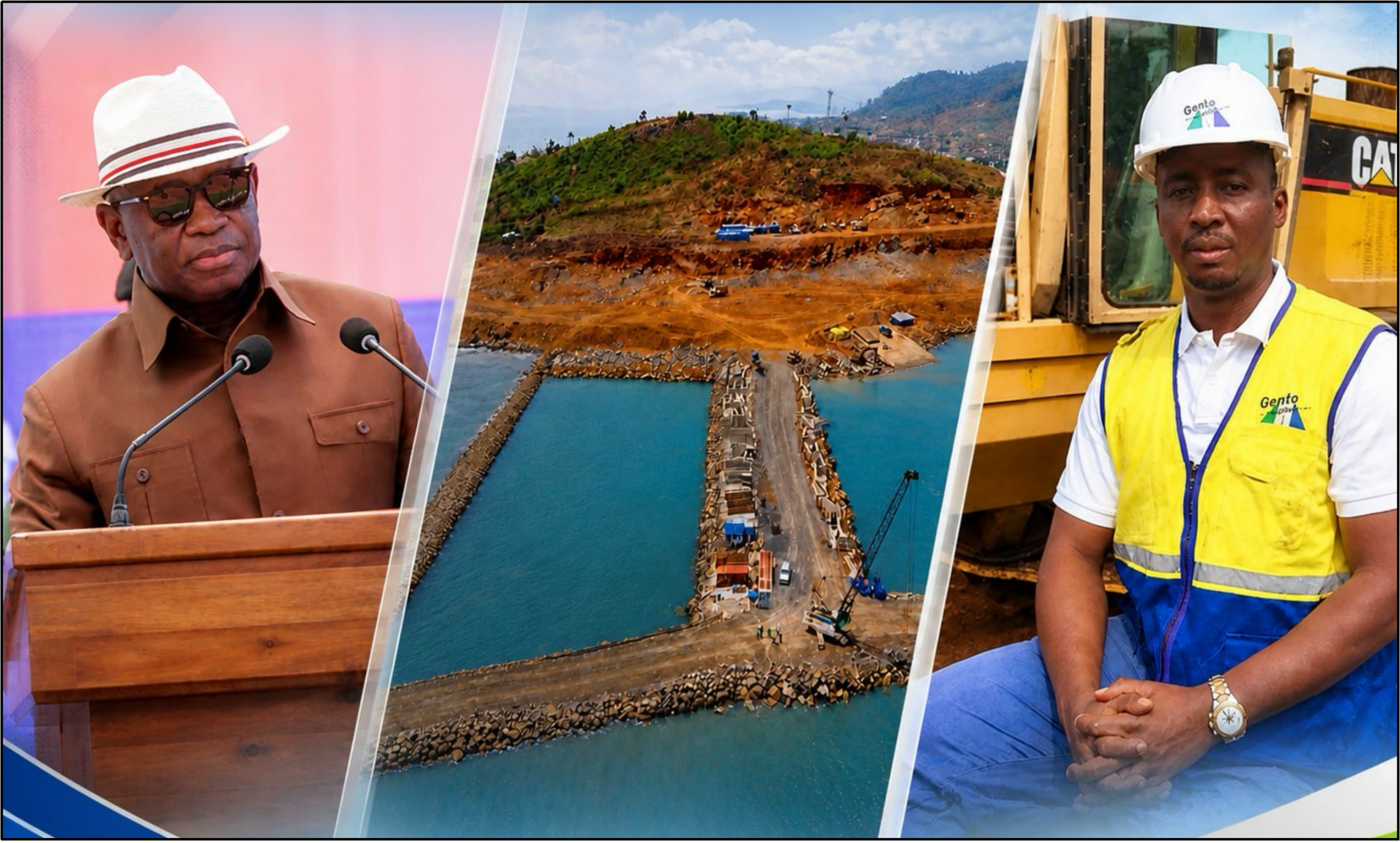
On Sierra Leone’s 2026 International Workers’ Day, a broad coalition of labour leaders, government officials, civil society representatives, and private-sector stakeholders formally supported the Gento Group of Companies and its proposed Kent Seaport project as a key driver of job creation and national development.
The event, held on May 1 at the Miatta Conference Centre, drew high-level attendees including President Julius Maada Bio, Vice President Mohamed Juldeh Jalloh, ministers, parliamentarians, diplomatic corps members, employers, and workers from all over the country.
The May Day celebration, titled “Building Workers Power for Sierra Leone’s Transformative Agenda,” emphasised the importance of greater collaboration between the government and the private sector in expanding job opportunities.
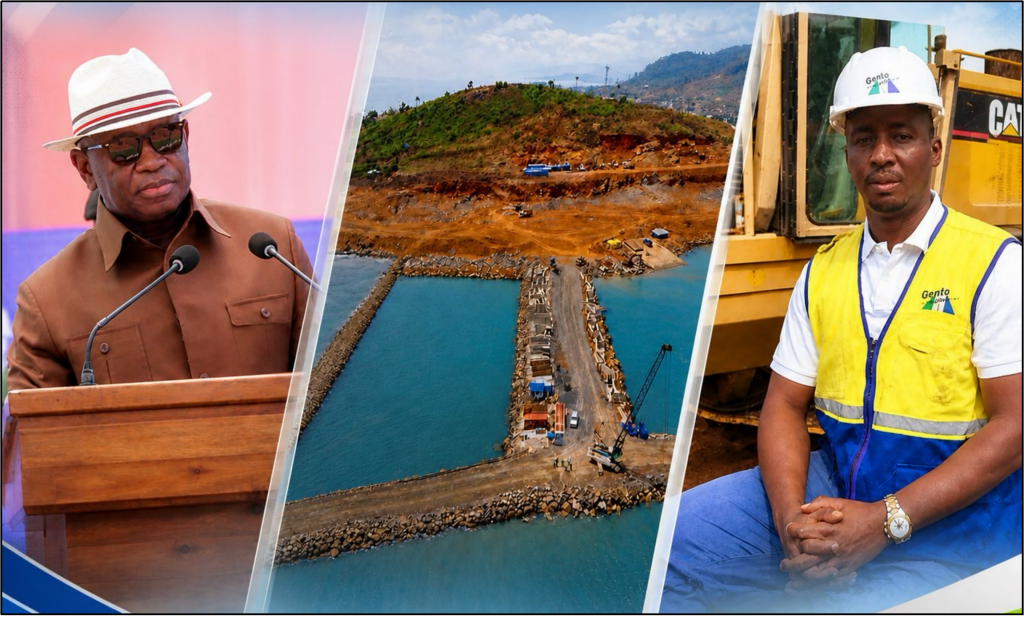
The Sierra Leone Labour Congress, in a statement issued on behalf of workers across the country, emphasised that while government policy is important in shaping labour conditions, the private sector remains the primary engine for large-scale job creation. Within that framework, the Congress recognised the Gento Group as “a 100% Sierra Leonean-owned company” and lauded its leadership role in the Kent Seaport project.
The Congress stated that the proposed seaport would generate significant construction jobs and long-term employment once operational, eliciting applause and reinforcing the company’s growing profile as a national development partner. The endorsement reflects a broader national discussion about the role of domestic businesses in driving economic transformation. Gento Group’s Kent Seaport is a strategic infrastructure investment that can modernise the country’s maritime sector, improve trade efficiency, and create thousands of direct and indirect jobs in logistics, transportation, commerce, and services.
Labour leaders reiterated that the government’s goal of creating 500,000 jobs cannot be met solely by the public sector, and they called for greater support for private companies capable of providing large-scale job opportunities. To that end, Congress urged the government to improve the business climate by addressing macroeconomic issues such as inflation, high interest rates, exchange rate volatility, and the burden of heavy taxation. According to labour representatives, removing these barriers would allow domestic businesses like Gento to expand and contribute more to national development.
Civil society has expressed strong support for the Kent Seaport. A press conference in Freetown saw a coalition led by William Sao Lamin, chairman of the Civil Society Consortium on Community Accountability and Service Delivery, reaffirm its support for the Banana Island and Kent Harbour Terminal project. The Consortium praised the government and parliament’s leadership in moving the initiative forward, highlighting entrepreneur Mohamed Gento Kamara’s critical role in articulating the project vision.
The Consortium provided employment projections for the project, estimating that construction could generate over 1,000 direct jobs, long-term operations could support more than 10,000 positions, and indirect employment effects across related sectors could range from 50,000 to 100,000 jobs. These figures were presented as part of a larger rationale linking the seaport to skills development, youth employment, and economic diversification—all of which are closely related to the government’s development priorities.
Economic analysts and stakeholders at the May Day event emphasised the potential consumer benefits. Improved port infrastructure and more efficient logistics systems were said to be capable of lowering shipping and import costs, potentially lowering household costs of living by making essential goods more affordable.
Beyond jobs and prices, supporters argue that the project will provide modern port facilities, logistics hubs, and integrated transportation systems, reducing congestion, streamlining supply chains, and positioning Sierra Leone as a more competitive regional trade hub. Many attendees urged President Bio to prioritise the project as part of his administration’s legacy, arguing that early government support and intervention could accelerate implementation and attract additional investment.
While the celebrations centred on the seaport endorsement, the Labour Congress used the occasion to address long-standing worker concerns, such as rising living costs, rising fuel prices, and the need for stronger labour law enforcement. The Congress recognised the government’s recent efforts to review labour legislation and improve minimum wage standards, but it urged additional action to protect workers’ welfare and ensure inclusive growth.
The May Day consensus emphasised that significant progress will necessitate long-term collaboration among government, civil society, and the private sector. The Gento Group is at the centre of these expectations, with its Kent Seaport project serving as a focal point for discussions about indigenous capacity to build major infrastructure and create jobs. Stakeholders called for continued public-private collaboration to ensure that such initiatives provide long-term benefits to Sierra Leoneans, emphasising that responsible investment combined with supportive policies can help unlock the country’s economic potential. The Labour Congress concluded by reaffirming its commitment to advocating for decent jobs, workers’ rights, and a policy environment that encourages local businesses to drive national growth.
