
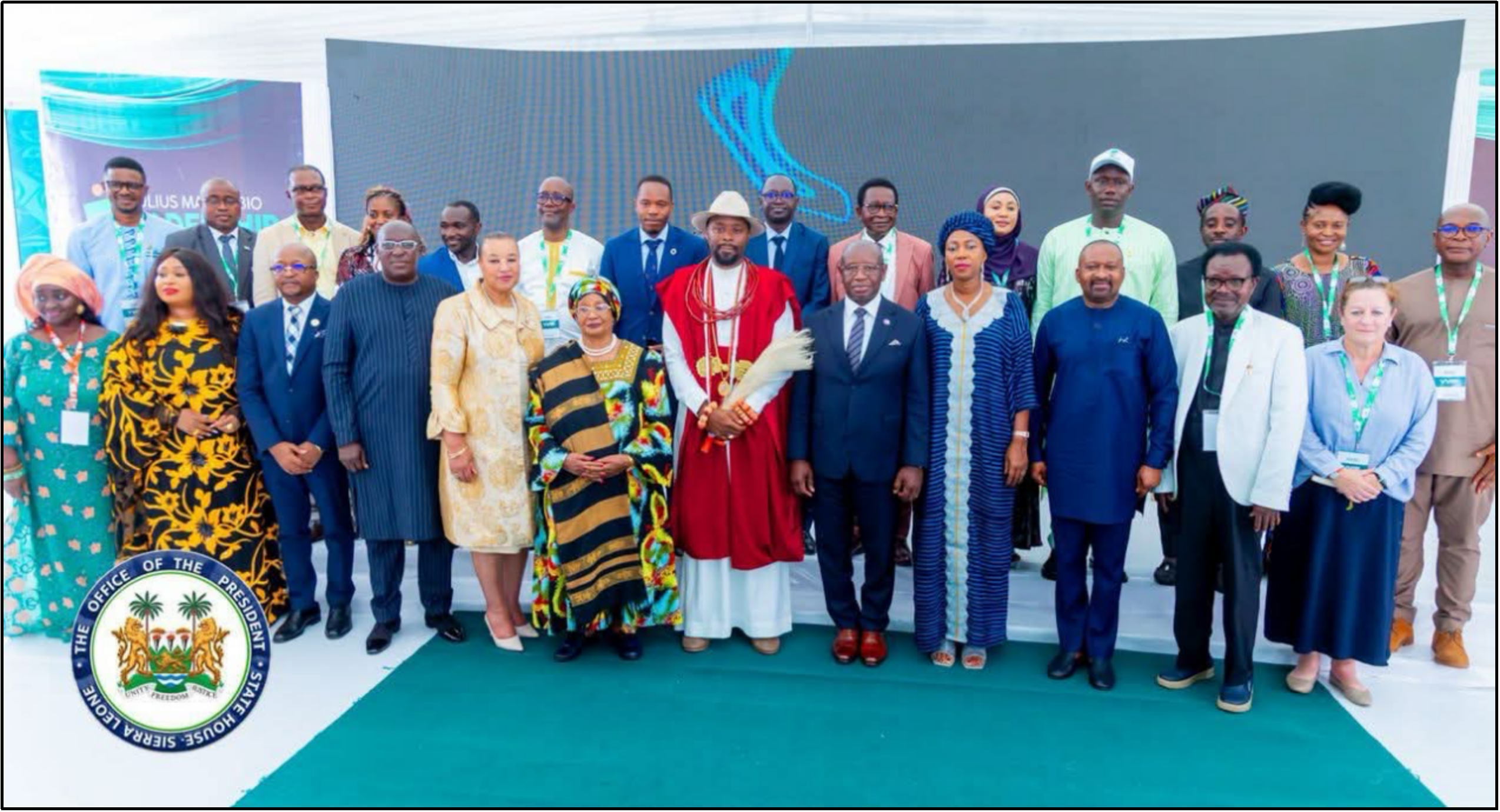
On May 13, 2026, the Julius Maada Bio Leadership Colloquium brought together African decision-makers, youth advocates, traditional authorities, diplomats, and women leaders at the Freetown International Conference Centre to discuss leadership challenges and opportunities. The African Young Leadership Convergence (AYLC) organised the event, which was held to commemorate President Julius Maada Bio’s birthday, under the theme “Reimagining African Leadership: Courage, Accountability, Innovation, and Leadership in an Era of Global Uncertainty.”
The colloquium, framed as more than just a ceremonial event, brought together seasoned statespeople and emerging voices to discuss how Africa can move beyond symbolic reform to the structural transformations its citizens require. Panel discussions focused on governance, innovation, accountability, youth participation, and women’s inclusion, with participants proposing practical solutions to pressing issues such as youth unemployment, institutional weakness, and declining public trust in democratic institutions.
Vice President Dr Mohamed Juldeh Jalloh praised President Bio as a courageous, visionary leader whose emphasis on inclusive governance and human capital development has elevated Sierra Leone to the forefront of progressive leadership in West Africa. Jalloh’s tribute set the tone for a series of speeches emphasising the role of political will, institutional reform, and citizen engagement.
President Julius Maada Bio delivered the keynote address, calling the colloquium “a reckoning, both reflection and responsibility.” He contended that Africa is at a watershed moment and must answer a central question: what type of leadership will shape the continent’s future in this century? Bio believes that the solution requires leaders who prioritise decisive action, accountability, and innovation over mere power retention.
“The era of managing decline while speaking the language of transformation must come to an end,” he declared, urging leaders to pursue deliberate structural change rather than cosmetic reforms. True leadership, he added, is revealed when responsibility comes with a political cost, rather than in speeches or ceremonies. Recounting his own path from soldier to statesman, Bio cited his 1996 decision to delegate power to a civilian government as an example of leadership as stewardship — a commitment to democracy that prioritises the nation’s right to governance over individual ambition.
As Chairman of the ECOWAS Authority, President Bio addressed regional concerns, warning that governance failures, economic exclusion, and public trust erosion endanger West African stability. He argued that security cannot be maintained solely through force, and that legitimacy, inclusion, and the provision of opportunities are critical to achieving long-term peace.
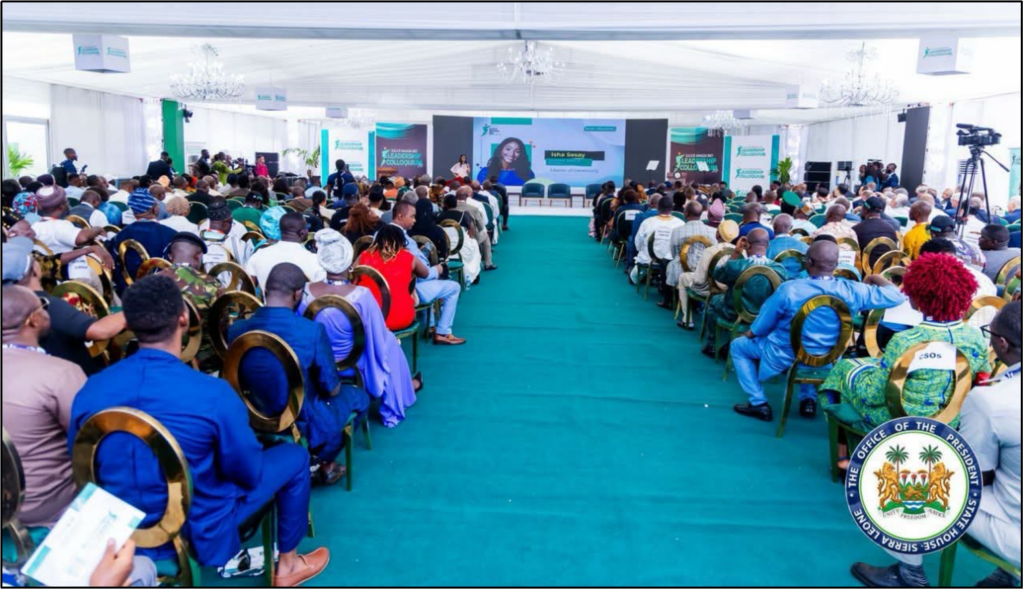
International speakers at the colloquium emphasised the importance of inclusive political participation, particularly for women and youth. Former Commonwealth Secretary-General, Baroness Patricia Scotland, praised Sierra Leone’s focus on education and women’s empowerment. She encouraged African leaders to create more opportunities for women to hold leadership positions. Former Malawian President Joyce Banda praised continental progress in women’s empowerment, noting that Africa has produced more female heads of state than many other regions, and urged for long-term opportunities that will allow youth to address unemployment and reduce reliance on dangerous migration routes.
Throughout the day, practitioners and youth representatives spoke on panels about how innovation and grassroots engagement can drive change. Participants provided examples of people-centred approaches that strengthen institutions, promote accountability, and increase economic inclusion. Youth speakers emphasised that opportunity creation and structural reform must keep up with demographic realities: Africa’s young population, they argued, is the continent’s most valuable asset and must be empowered to lead now rather than in the future.
President Bio’s closing remarks focused on a practical vision for Africa’s place in a changing global order. He advocated for greater continental integration, increased intra-African trade, and a more united African voice in international forums. “LEADERSHIP is not a title. It is a practice,” he concluded, urging citizens at all levels to lead with courage, reject corruption, and strengthen institutions so that no space is left worse than when it was found.
Former Vice President Victor Bockarie Foh described the initiative as inspiring and historic, noting that it was the first of its kind under any Sierra Leonean government. The colloquium concluded with participants renewing their commitment to accountable governance, inclusive leadership, democratic stability, and closer African collaboration in addressing continental and global challenges.
Organisers aim to foster ongoing dialogue and actionable commitments that translate reform rhetoric into measurable change. Against a backdrop of global uncertainty and regional tensions, the Freetown gathering sought to prioritise courage, accountability, and inclusion in a new agenda for African leadership.
