

Dr Mohamed Juldeh Jalloh, Sierra Leone’s Vice President, has officially launched a series of nationwide stakeholder consultations to transform the Sierra Leone Police (SLP) from a traditional “force” to a modern, service-oriented institution. The initiative began in Port Loko, North-West Region, with Dr Jalloh addressing a packed town hall meeting, the first of many planned public events.
Dr Jalloh stated that the consultations are intended to ensure inclusivity and foster a broad national dialogue on police reform. The transition’s stated objectives include increasing professionalism, improving welfare and infrastructure, and expanding training for police officers. Three strategic pillars underpin the reform: improving police-community collaboration, forging stronger partnerships with relevant institutions and stakeholders, and improving internal policing culture.
“The change we seek is not only structural; it is cultural. It is about repositioning the police as a service that protects rights, builds trust, and upholds accountability,” the vice president told attendees, praising the large turnout and clear enthusiasm of citizens eager to help reshape the police’s role in promoting peace and stability.
Inspector General of Police (IGP) William Fayia Sellu, who has been instrumental in the recent momentum of the reform, briefed participants on the process. He explained that conversations about transitioning the SLP began in 2014 but accelerated following his appointment and subsequent consultations with the vice president.
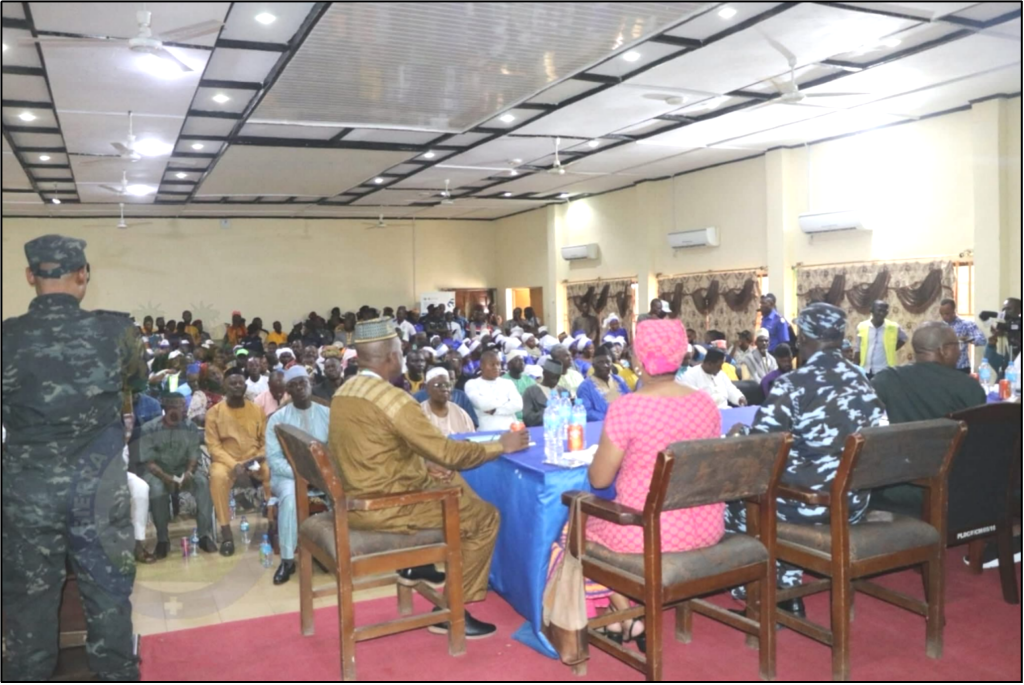
Following the presentation of a transition document to the Police Council, the SLP has engaged international partners, including the United Nations Development Programme (UNDP), to assist with implementation. IGP Sellu confirmed that a review of legislative and regulatory frameworks is underway, stating that the Police Act of 1964 and the Disciplinary Regulations of 2001 are being examined to ensure that they are in line with current policing norms and standards. He also stated that the SLP has begun extensive nationwide engagements with both police officers and community stakeholders to prepare minds and systems for the transition to service-centred policing, which he described as critical to maintaining public order and increasing community confidence.
Madam Mabulara Tsuene, representing the UNDP, reaffirmed her organisation’s commitment to the reform effort. She emphasised that a service-oriented police force collaborates with communities, fosters mutual trust, and upholds accountability and the rule of law. The town hall drew a diverse range of Port Loko residents, including Paramount Chiefs, the Resident Minister for the North-West Region, the Mayor of Port Loko City Council, ceremonial chiefs, schoolchildren, and other community members. Many delegates praised the government and the IGP for taking decisive action to modernise policing and actively engaging citizens in the reform process.
The engagement concluded on a culturally significant note, with performances by Paramount and ceremonial chiefs that represented community unity and public support for the reform initiative. The consultations will continue across the country as part of the government’s overall effort to reorient the SLP toward a service-driven model of policing.
