
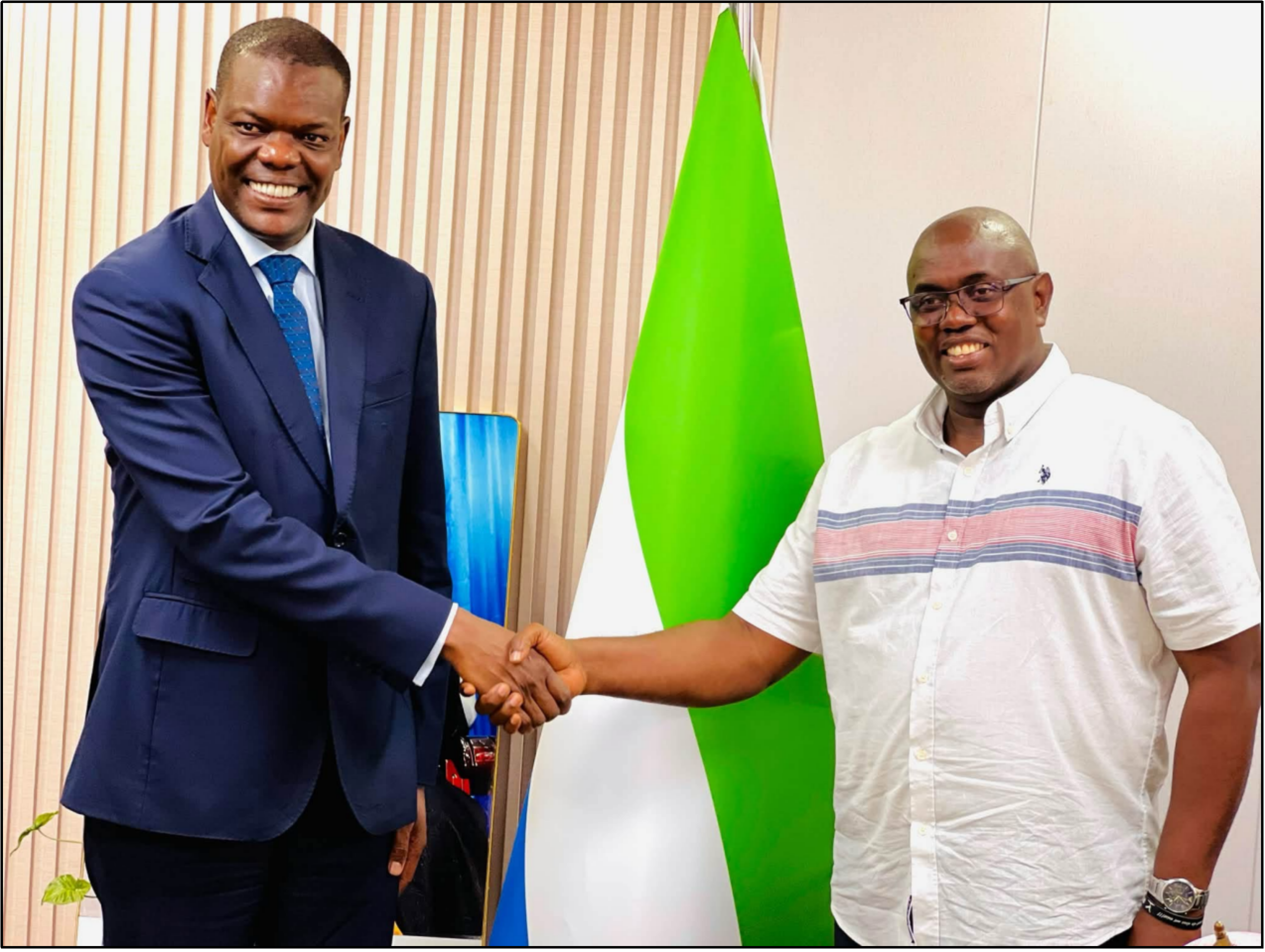
A high-level delegation from the United Nations Economic Commission for Africa (UNECA) met with the Speaker of Parliament, Rt. Hon. Segepoh Solomon Thomas and the Chairman of the Parliamentary Committee on Finance, Hon. Kekura C. Vandy, to push for urgent improvements in healthcare financing and service delivery in Sierra Leone.
The delegation, led by Aboubakri Diaw, Chief of Staff of UNECA, reaffirmed the Commission’s commitment to support national efforts to strengthen health financing mechanisms, improve data coordination and use, and help Sierra Leone’s Finance and Health Ministries develop tools for more efficient health resource management. Mr Diaw thanked the Speaker for welcoming the team. He highlighted the need for stronger financing arrangements and better data systems to ensure public resources translate into better health outcomes for citizens.
UNECA officials underscored the gap between political commitments and actual budgetary allocations for health. While Sierra Leone has committed to the Abuja Declaration target of allocating at least 15% of national budgets to the health sector, current allocations are only about 6%. UNECA says the gap hinders progress toward universal health coverage and imposes a heavy burden of out-of-pocket health-care costs on households.
On the continent, evidence shows that households account for about 60% of total health-care spending in Africa. Such high out-of-pocket spending increases the risk of illness, pushing more families into poverty and restricting equal access to care. UNECA intends to undertake a health survey in Sierra Leone to deepen understanding of the local context, the relative contributions of government and households, and the role of health insurance in protecting the population from catastrophic health costs.
The delegation discussed improvements to health information systems. UNECA called for improved coordination of multiple health data systems, discussed challenges of health data collection and use, and called for regional cooperation on health. The delegation stated that better data would lead to more accurate budgeting, easier monitoring of spending on health care and would support evidence-based policymaking by the Executive and Parliament.
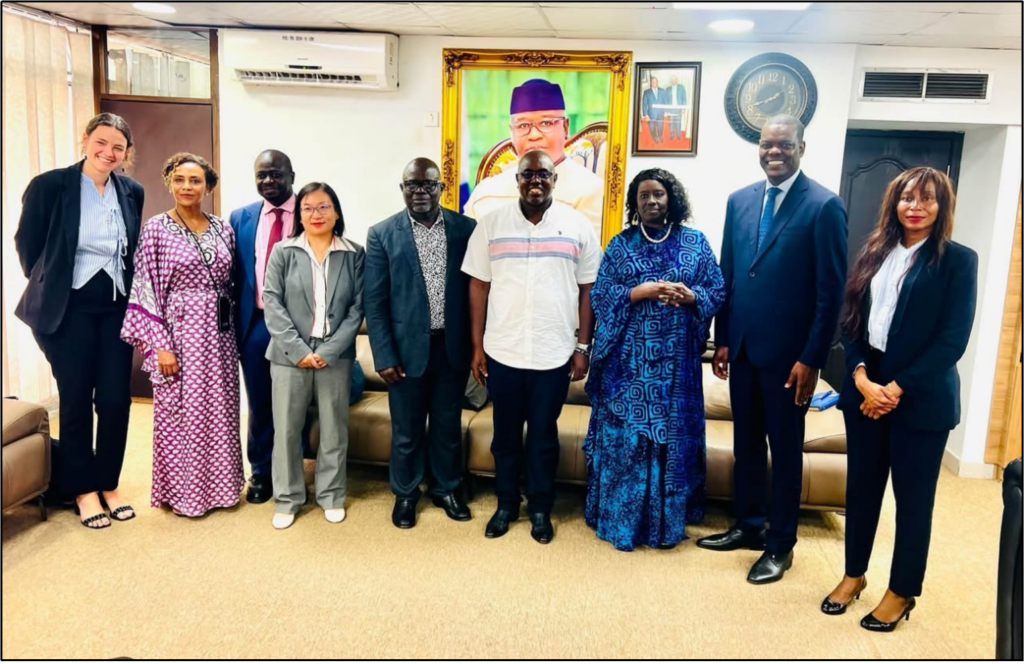
Rt. Hon. Speaker Segepoh Solomon Thomas described the initiative as timely and laudable, commending it. He said, “The Sixth Parliament under my watch is ready to engage with the proposal and consult the relevant Ministries, Departments and Agencies (MDAs). The Speaker emphasised Parliament’s constitutional role in representing citizens, making laws, approving the national budget, and overseeing government activity. The Speaker said the legislature was progressive and assured the UNECA delegation that it would play its role once consultations were complete and proper parliamentary procedures were followed.
Chairman of the Parliamentary Committee on Finance, Hon. Kekura C. Vandy, pointed out the importance of the UNECA program and reminded the delegation that effective action requires cooperation with the Executive that prepares and manages the national budget. He cited gaps in revenue collection by the National Revenue Authority (NRA), which have constrained the Ministry of Finance’s resources, as a challenge to domestic revenue mobilisation. Hon. Vandy noted that even where the Ministry is receptive to sound proposals, it is often limited by low revenue yields and external shocks that have limited national budget allocations.
Hon. Vandy also called for all financial flows to be channelled through the Ministry of Finance and for donor transparency, by making information on external assistance available to Parliament. Parliament must have unfettered access to resources affecting public service delivery to perform its oversight role effectively, he stressed.
One of the key objectives of UNECA’s engagement is to ensure value for money in health spending and to position improved health financing as a driver of broader socio-economic benefits. The delegation said that strategically investing in better-funded and better-managed health systems, coupled with strong governance and accountability mechanisms, can deliver a demographic dividend – the economic benefit of a healthier and more productive population.
The meeting was concluded with an agreement to continue working together. UNECA will conduct its planned survey and support activities for strengthening health financing tools and data systems. Parliament has indicated willingness to consult relevant MDAs and consider legislative or oversight activities to improve health funding. Both sides saw better stakeholder coordination, increased revenue mobilisation, and greater transparency in donor flows as key to bridging the gap between current spending and the Abuja target and translating public resources into tangible improvements in healthcare delivery across Sierra Leone.
