
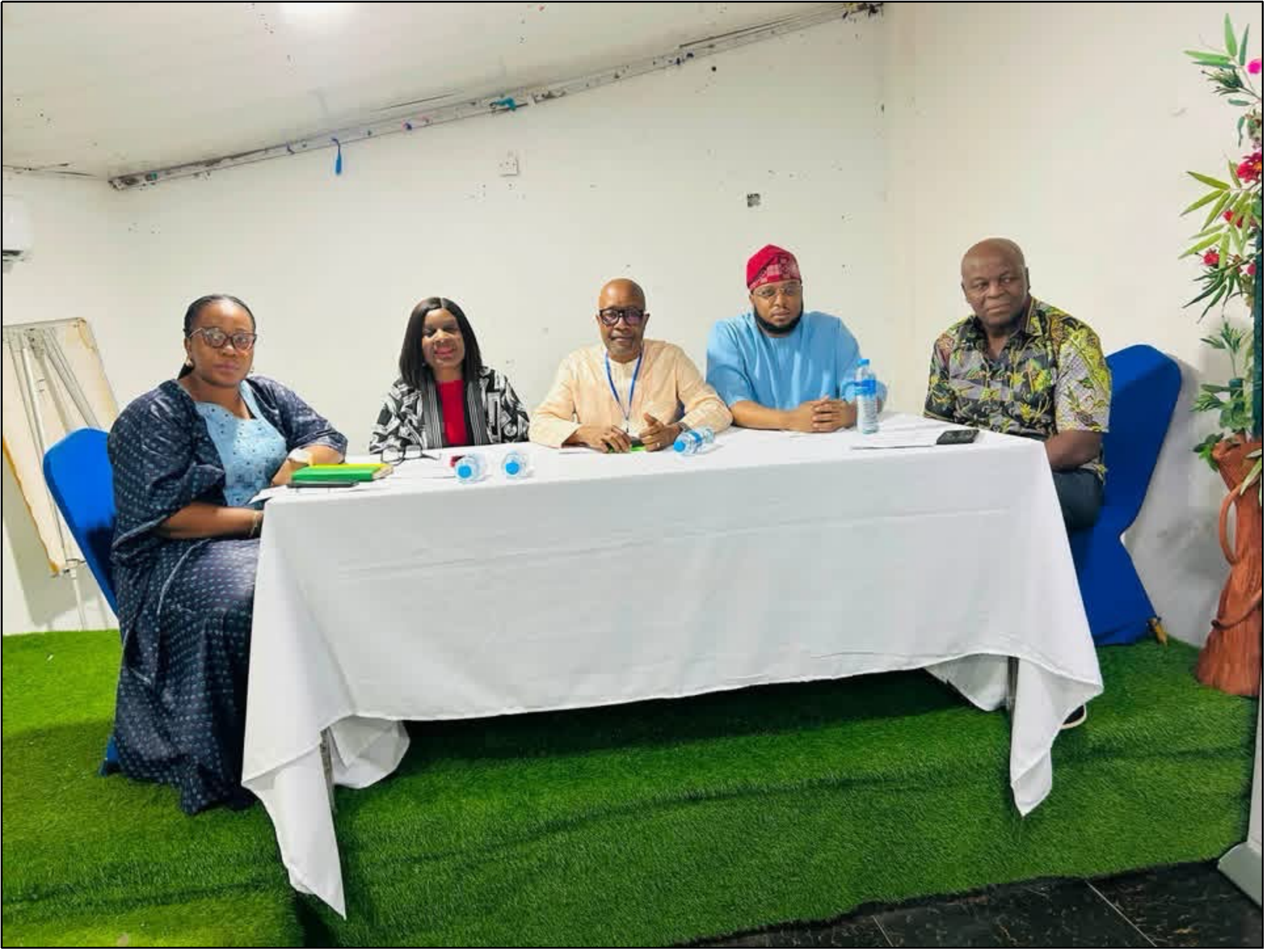
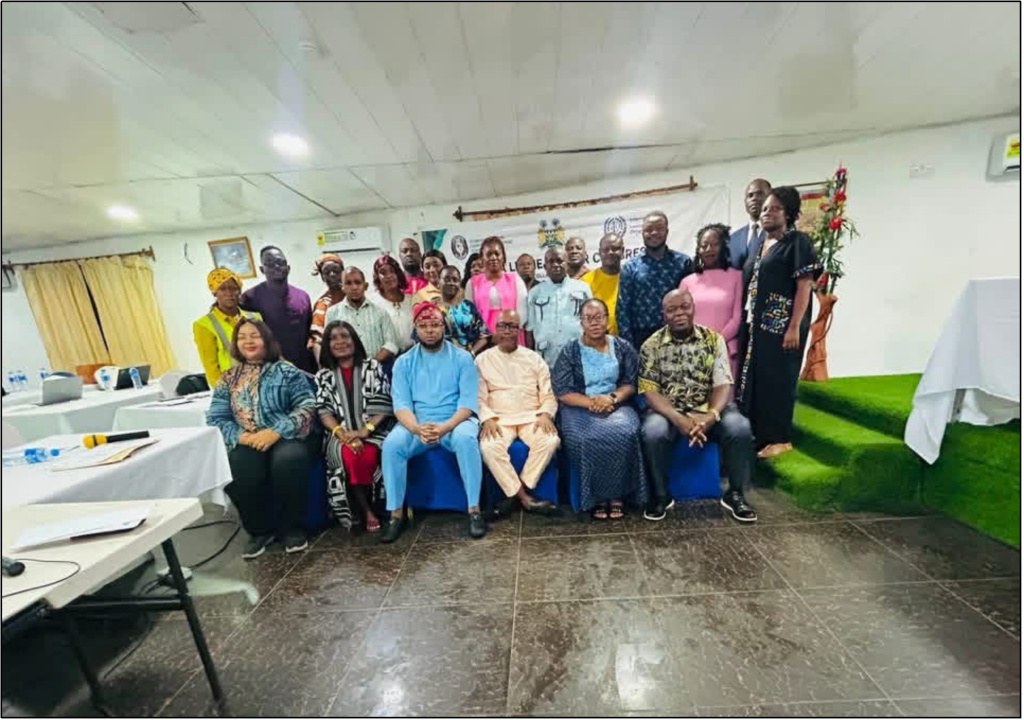
July 2026- The ECOWAS Commission and the International Labour Organisation (ILO), in collaboration with Sierra Leone’s Ministry of Employment, Labour and Social Security (MELSS) and tripartite social partners, organised a two-day capacity-building workshop in Freetown to reinforce collaboration between labour inspectors and workers’ organisations to ensure effective implementation of ILO Convention No. 189 on Decent Work for Domestic Workers.
The initiative aims to strengthen labour inspection systems, better protect domestic workers, including migrant domestic workers, and improve enforcement of labour standards across the country, organisers said. The workshop brings together labour inspectors, trade union leaders, government officials, representatives of ECOWAS and the ILO and partners, including IOM Sierra Leone, to create practical tools and coordinated approaches to translate legal commitments into meaningful protection on the ground.
The keynote address was given by the Hon. Minister of Employment, Labour and Social Security. Mohamed Rahman Swaray reiterated the government’s commitment to the protection of domestic workers, who he said are an important but often neglected workforce and deserve dignity, social justice and legal protection. “Domestic workers are essential to caring for our families and allowing us to pursue our livelihoods but are often invisible, denied social protection and remain in the informal economy,” the Minister said.
Hon. Swaray reviewed policy changes that have been made since Sierra Leone ratified ILO Convention No. 189 in 2021. Reforms under the Migrant Workers Act included tighter regulation of private recruitment agencies, promotion of ethical recruitment practices, verification of overseas job opportunities and stronger safeguards for Sierra Leoneans seeking work abroad, he said. The Ministry is also considering reviewing the Migrant Workers Act to address implementation gaps identified over the last three years and improve protections for migrant domestic workers, he added.
Obinna Ajugwo of the ECOWAS Directorate of Free Movement of Persons and Migration praised Sierra Leone and its partners for placing the rights of domestic workers front and centre, highlighting the link between free movement and the protection of workers. “Freedom of movement must be accompanied by protection. “It is a legal obligation and a moral imperative to guarantee the dignity, rights and decent working conditions of migrant workers, especially those in vulnerable sectors,” said Ajugwo. The workshop, he said, was part of a broader agenda of ECOWAS to improve labour migration governance, social dialogue and decent work across West Africa.
‘We should not only talk, but do. And do it now,’ said Inviolata Chinyangarara, Senior Specialist for Workers’ Activities at the ILO Country Office. Domestic workers are one of the most vulnerable groups of workers, often working in informality, with no written contracts, long working hours, limited access to labour rights and exclusion from social protection programs, she said. Such challenges point to the need to develop stronger protection and enforcement mechanisms. “We can translate decent work for domestic workers into practical terms by engaging with labour inspectors and trade unions,” said Chinyangarara, who added that migrant domestic workers are faced with further obstacles such as language barriers, confiscation of travel documents and lack of knowledge of their rights.
Trade union representatives attended the workshop and called for improved coordination with inspection services to ensure statutory protections are enforced. Secretary-General of the Sierra Leone Labour Congress, Marx Conteh, said that the transition from ratification to reality needs sustained and coordinated effort. ‘The road from ratification to implementation requires vigorous, concerted action. “Labour inspectors are the first line of defence in ensuring our labour laws are respected, and without effective enforcement they risk becoming mere words on paper,” said Conteh, adding that the private and dispersed nature of domestic work requires innovative inspection methods that protect workers while respecting due process.
Participants are expected to produce practical outputs over two days, such as tailored inspection checklists for domestic settings, clear referral mechanisms to link workers to social protection and legal services, complaint response protocols and guidance on how to handle cases involving migrant workers. The workshop will also consider ways to enhance information sharing and coordination among labour inspectors, trade unions, recruitment agencies and immigration authorities.
The organisers said the workshop is part of a continuing partnership between the ECOWAS Commission, ILO, MELSS, IOM Sierra Leone and social partners to turn international conventions into enforceable national practices. The initiative will equip inspectors with the tools and partnerships needed to identify abuse and secure remedies, and improve working conditions for domestic workers in Sierra Leone. It will also complement regional efforts to promote decent work standards for migrant and local domestic workers in West Africa.
