
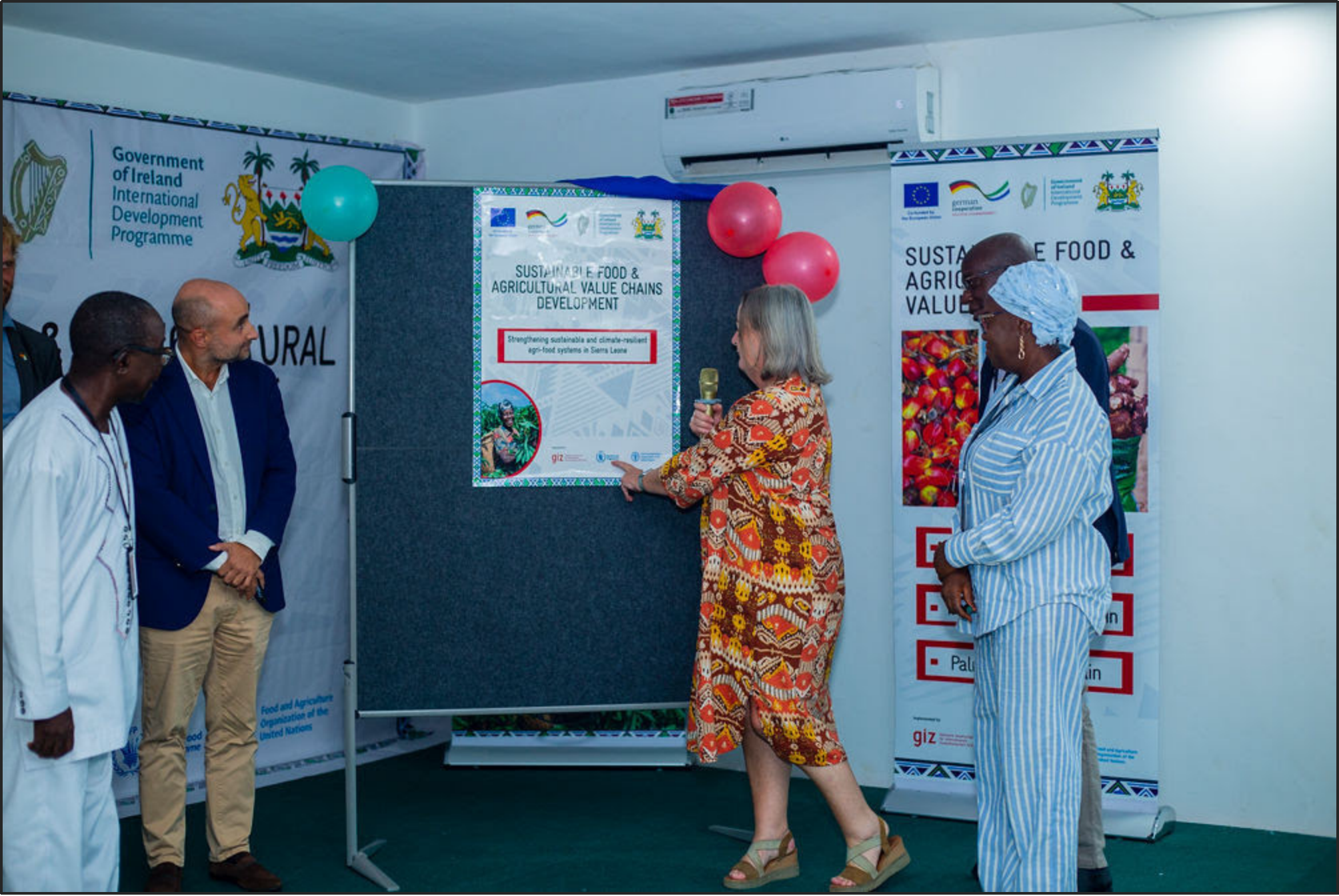
On June 22, 2026, the European Union and the Federal Republic of Germany launched a four-year cassava value chain project in Sierra Leone. The project aims to transform cassava production from subsistence farming to a sustainable, climate-smart, and commercially viable sector that creates jobs, particularly for women and young people. Senior government officials, donor partners, private sector actors, and farmer representatives gathered at the Country Lodge in Freetown to discuss the intervention’s objectives and implementation strategy.
The cassava activities are part of the EU-funded “Sustainable Food and Agriculture Value Chains Development” programme, a EUR 35 million initiative focused on three strategic value chains: cassava, infant foods, and palm oil. The Food and Agriculture Organisation (FAO) and World Food Programme (WFP) will implement the palm oil and infant food components, respectively. Deutsche Gesellschaft für Internationale Zusammenarbeit (GIZ) GmbH will implement the cassava component under a BMZ-funded project titled “Youth Employment Promotion through Socio-Ecological and Economic Transformation of Selected Rural Value Chains” (EET).
The EET portfolio has a total budget of EUR 25.5 million, with EUR 15.5 million allocated specifically to cassava value chain interventions. The EUR 15.5 million includes EUR 12 million from the European Union and a EUR 3.5 million contribution from Germany’s Federal Ministry for Economic Cooperation and Development.
The four-year cassava project, spanning January 2026 to December 2029, includes interventions in seed systems, agronomy, processing, market linkages, and skills development. Goals include establishing 10 cassava cultivar multiplication centres to increase access to quality planting material, creating 50 hectares of demonstration plots to showcase climate-smart varieties and good agricultural practices (GAP), and training 500 farmers in agronomic and post-harvest practices.
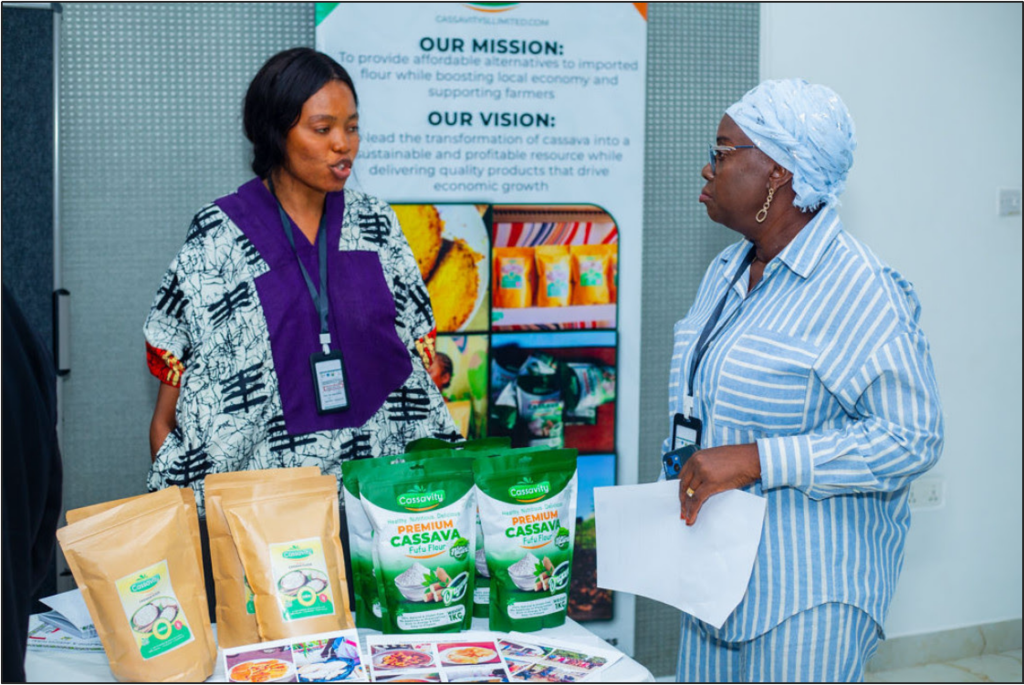
The project aims to strengthen producer organisations and small businesses by supporting at least 10 farmer-based organisations (FBOs) and 40 micro, small, and medium-sized enterprises (MSMEs) in improving processing capacity, marketing, and business skills. The initiative aims to improve nutrition by educating caregivers about cassava’s nutritional value. It will also upgrade three Government Technical Institutes (GTIs) by introducing six new agriculture-related training courses and establishing a modern farm as a TVET centre of excellence.
Cassava is a staple food in Sierra Leone, consumed by more than 70% of households, but productivity and economic returns from the crop are limited. Inadequate quality inputs, poor agronomic practices, high post-harvest losses, and inadequate processing infrastructure limit yields and income. The project aims to address bottlenecks by introducing climate-resilient varieties, improving seed multiplication, promoting GAP and climate-smart agriculture (CSA), reducing post-harvest losses through better processing, and connecting farmers to private buyers and financial services.
During the launch ceremony, officials emphasised the significance of transitioning cassava from subsistence production to commercial, value-added uses that can create sustainable green jobs in rural areas. Prof. Abdulai Y. Jalloh, Chief Agriculture Officer at the Ministry of Agriculture, Forestry and Food Security (MAFS), emphasised the initiative’s alignment with national priorities, stating that investment in the cassava value chain will help create jobs and strengthen rural communities’ resilience.
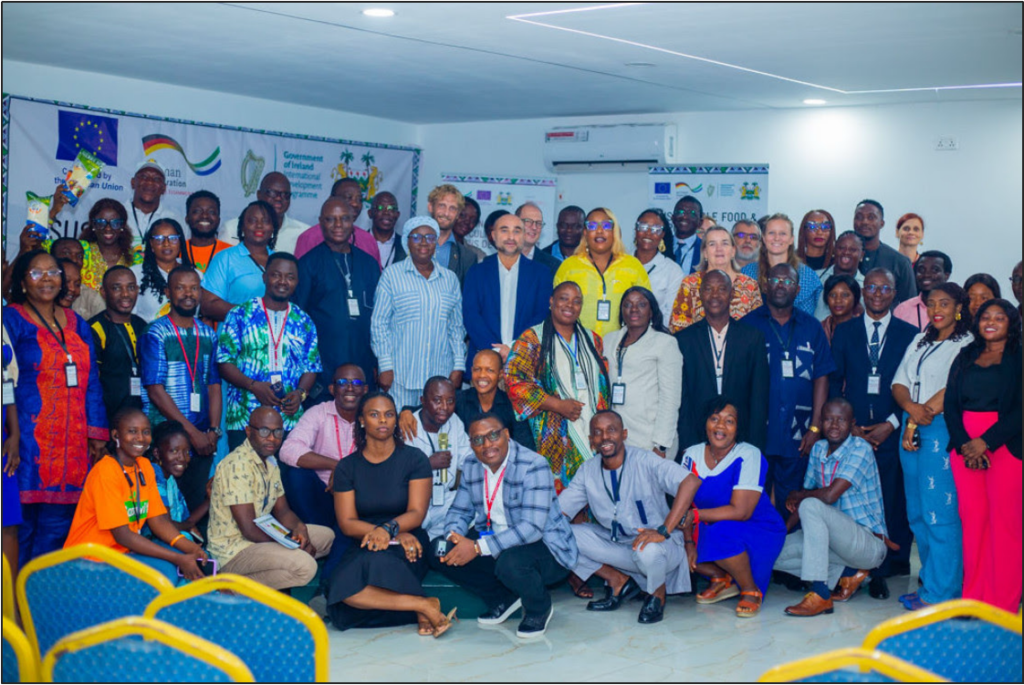
Johannes Behrens, Head of Cooperation at BMZ Sierra Leone, emphasised Germany’s commitment to co-fund cassava work and support complementary value chains like cocoa/coffee, vegetables, and poultry through bilateral programs. Jacek Jankowski, EU Ambassador to Sierra Leone, emphasised that industrialising cassava aligns with the government’s Feed Salone food systems transformation plan, the EU’s Global Gateway strategy to promote private sector-led development, and the collaborative “Team Europe” approach of the EU and its partners.
Project interventions will also concentrate on institutional strengthening and market systems, such as increasing the capacity of producer networks, aggregators, and processors, improving access to finance and market information, and positioning farmer cooperatives as key players in the value chain. Establishing multiplication centres and demonstration sites will provide certified planting material, while demonstration plots and TVET upgrades will promote sustainable and climate-adaptive practices.
The project aims to increase economic opportunities for underserved groups and promote entrepreneurship in processing and agri-business services by focusing on women and youth who have completed TVET.
The cassava value chain project is part of a larger EU/BMZ initiative to boost food security, raise incomes, and create green jobs in Sierra Leone’s agricultural sector. GIZ will lead implementation in collaboration with national institutions, farmer groups, and private sector actors. Progress will be tracked over four years, ending in 2029.
