
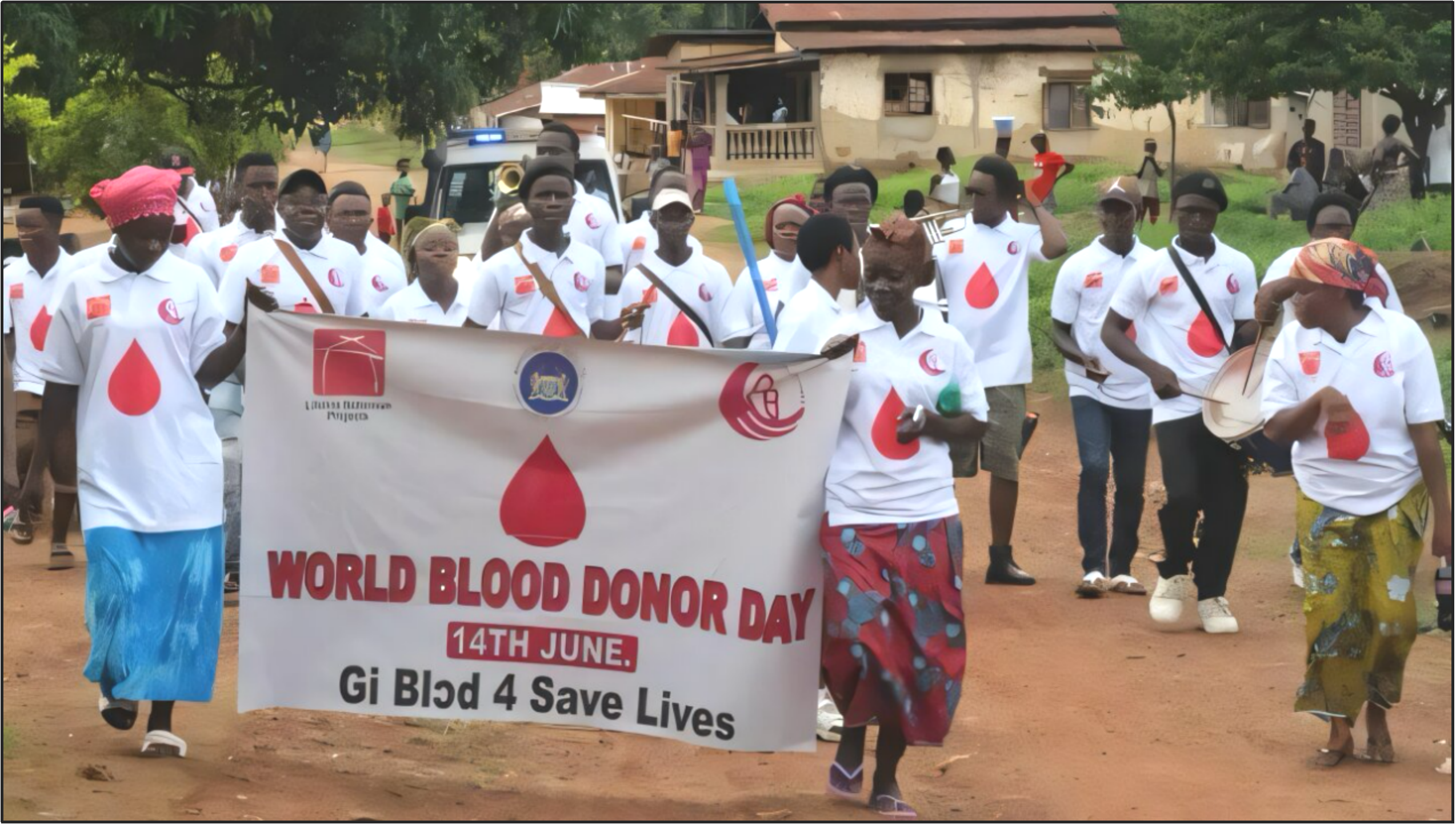
An innovative, locally driven approach to blood donation has dramatically changed supply dynamics in parts of rural Sierra Leone, generating reliable voluntary donations where none existed before. This demonstrates a potentially scalable blueprint for other low-resource settings.
The Gi4SaveLife initiative, developed and implemented by the grassroots organisation Lifeline Nehemiah Projects with academic support from King’s College London, was tested for 8 months in the Kono and Kenema districts. The program empowers community-nominated champions to organise blood drives through local “hubs,” rather than relying on external health organisations or hospital campaigns.
Before the trial, voluntary blood donations were nonexistent in the pilot areas. Over eight months, the initiative collected 539 units of blood from 376 individuals, shifting the local baseline statistics from zero voluntary donations to a consistent, community-based supply. Almost half of donors (43%) gave multiple times, indicating a shift towards regular giving rather than one-time responses during crises. The drive also reduced the cost per unit of blood by approximately 40% compared to traditional hospital-led drives.
Sierra Leone has critically low rates of voluntary blood donation, which contributes to poor maternal outcomes. Postpartum haemorrhage is the leading cause of maternal death in the country, and in many facilities, blood transfusions can only be obtained through family replacement donors or paid donations in emergencies. These arrangements are unreliable and can cause delays in life-saving care.
Traditional blood drives often underperform in such contexts due to their external organisation and failure to build trust or change long-held beliefs. Cultural myths and fear of blood donation, combined with low public awareness, have remained persistent barriers. Gi4SaveLife aimed to address these issues by empowering respected local figures chosen by their communities for their status and influence to lead monthly donation events, provide accurate information, and normalise giving.
Altruism and social recognition were identified as key motivations by surveyed donors: 71% said they donated to save lives, while 52% said they enjoyed being known as a blood donor. Personal testimony emphasised the program’s impact. Shek Osma Koroma, a community member, described how his previous belief that blood donation was demonic was disproven when community donations saved his severely anaemic wife and twins during childbirth.
Researchers and implementers emphasised the importance of local ownership. Dr Cristina Fernandez Turienzo, Senior Research Fellow at King’s College London and lead author of the study published in BMJ Global Health to commemorate World Blood Donor Day, stated that the findings demonstrate the importance of promoting local solutions to global health challenges. Lucy November, a Midwife Research Fellow, emphasised the role of trusted community champions in dispelling myths and establishing a cost-effective donor pipeline to strengthen community-health facility ties.
According to Prince Tommy Williams, Executive Director of Lifeline Nehemiah Projects, Gi4SaveLife is an investment in local leadership and relationships that has reframed donation as an empowering act of solidarity. The pilot, funded by UK Research and Innovation and the Economic and Social Research Council, demonstrates a practical model for increasing voluntary blood donation in low-resource environments.
Subscribe to Updates
Get the latest creative news from FooBar about art, design and business.
Community-Led “Gi4SaveLife” program transforms blood donation in rural Sierra Leone

gleanernewspaper
Gleaner Newspaper is the Home for exclusive local news, views, and adverts from Sierra Leone. Publisher: Gleaner Communications Sierra Leone.