
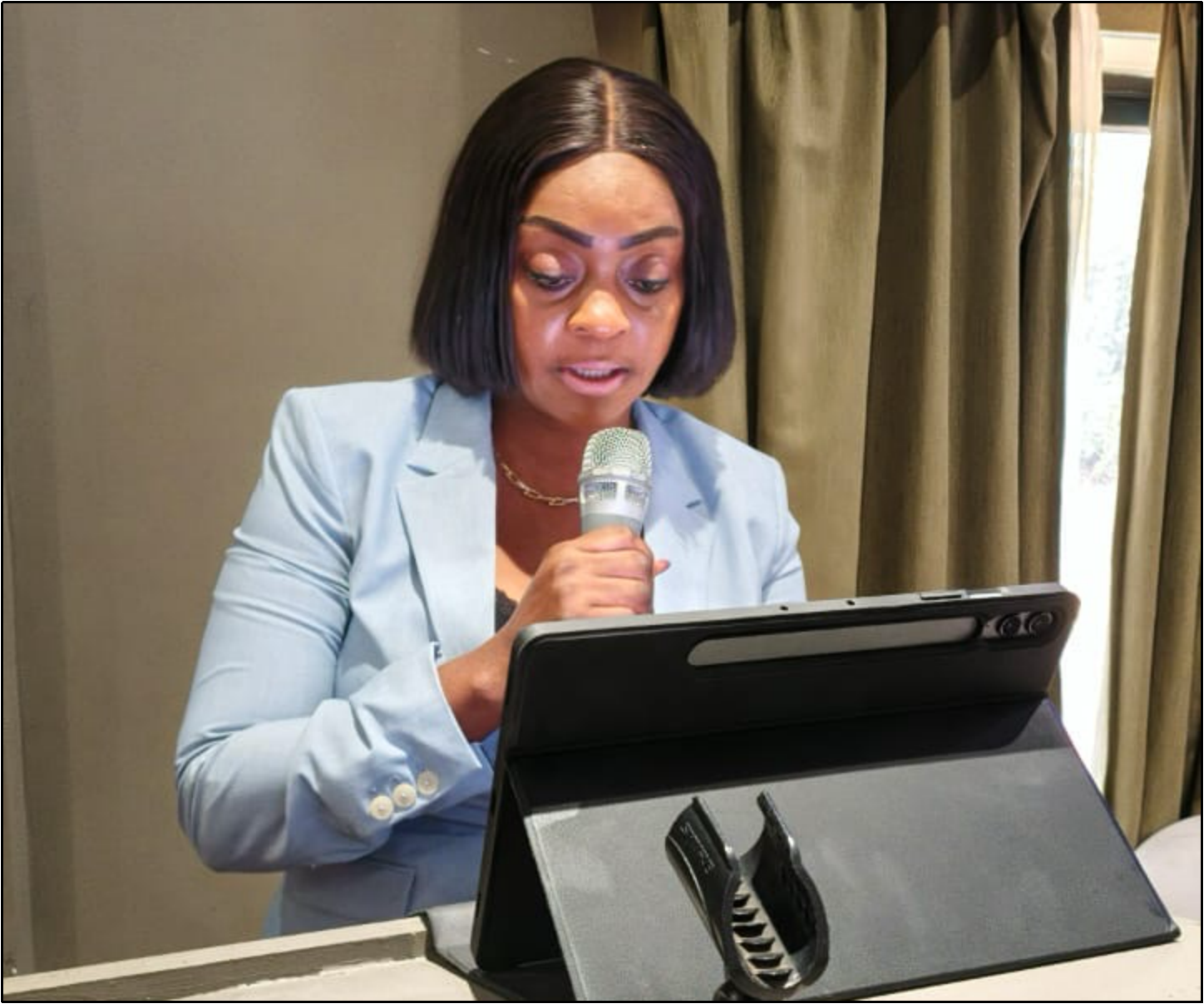
Freetown — Monday, 11 May 2026 Deputy Minister of Justice, Madam Saptieu Elizabeth Saccoh, has reaffirmed Sierra Leone’s commitment to strengthening the country’s legal and institutional preparedness for the activation and use of the African Continental Free Trade Area (AfCFTA) Dispute Resolution Mechanism. Madam Saccoh described the AfCFTA Capacity Building Training on the Dispute Settlement Protocol Mechanism as a critical step in providing Sierra Leone with the legal, technical, and institutional capabilities needed to understand, implement, and defend the country’s rights and obligations under the continental trade framework.
Madam Saccoh, speaking on behalf of the Attorney General and Minister of Justice, Alpha Sesay, expressed strong support from the Office of the Attorney General and emphasised the Ministry of Justice’s critical role in interpreting treaty obligations, providing legal advisory services to government entities, and protecting Sierra Leone’s interests within the AfCFTA framework. She emphasised that effective participation in the AfCFTA’s rules-based regime necessitates not only sound domestic law and policy alignment, but also a cadre of legal practitioners and technical officials who understand the Agreement’s dispute resolution procedures.
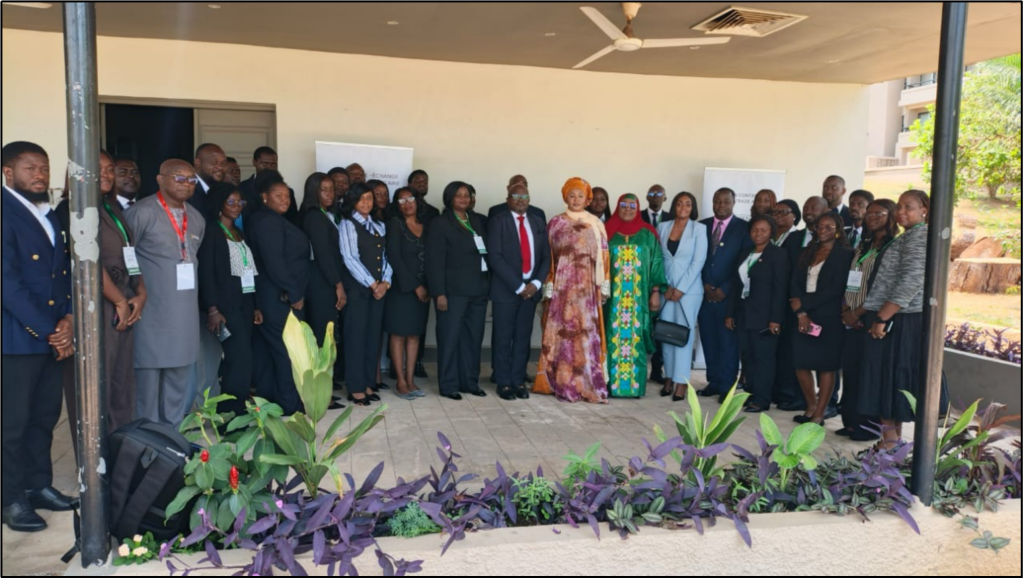
Madam Saccoh described the AfCFTA as one of Africa’s most ambitious integration efforts, with the goal of expanding market access, promoting intra-African trade, and creating an environment in which trade disputes are resolved fairly and predictably. She reminded participants that the AfCFTA Dispute Settlement Mechanism, established under Article 20 of the Agreement, provides a structured framework consisting of a Dispute Settlement Body, Adjudicating Panels, and an Appellate Body, the decisions of which are binding on member states. Because the mechanism operates on a state-by-state basis, she emphasised that Sierra Leonean businesses will rely on government intervention to initiate and pursue claims, putting a heavy burden on the Attorney General’s Office and the Ministry of Justice to evaluate legal merits, advise on strategic options, and defend national positions in trade-related disputes.
Reflecting on Sierra Leone’s active participation in the AfCFTA process, the Deputy Minister noted that the country ratified the Agreement in April 2019, allowing it to enter into force on May 30, 2019. She emphasised Sierra Leone’s status as the first African country to publish its national tariff concession schedule and complete an AfCFTA Readiness Assessment, citing accomplishments that demonstrate the government’s ongoing commitment to continental trade integration and readiness to translate commitments into domestic policy measures.
Madam Saccoh also emphasised the importance of coordinated action among government ministries, customs and border authorities, regulatory agencies, legal practitioners, technical experts, and the private sector to ensure consistent implementation of AfCFTA obligations and effective responses to potential trade disputes. She urged participants to take full advantage of the training, to actively engage with the materials and instructors, and to apply what they learned back to their respective institutions to strengthen Sierra Leone’s collective capacity.
Madam Saccoh concluded her remarks by reiterating the Government’s determination to develop the necessary legal capacity, institutional coordination, and technical expertise so that Sierra Leone can confidently defend its interests under the AfCFTA and leverage the continental trade agreement to generate meaningful economic opportunities and contribute to national development.
