
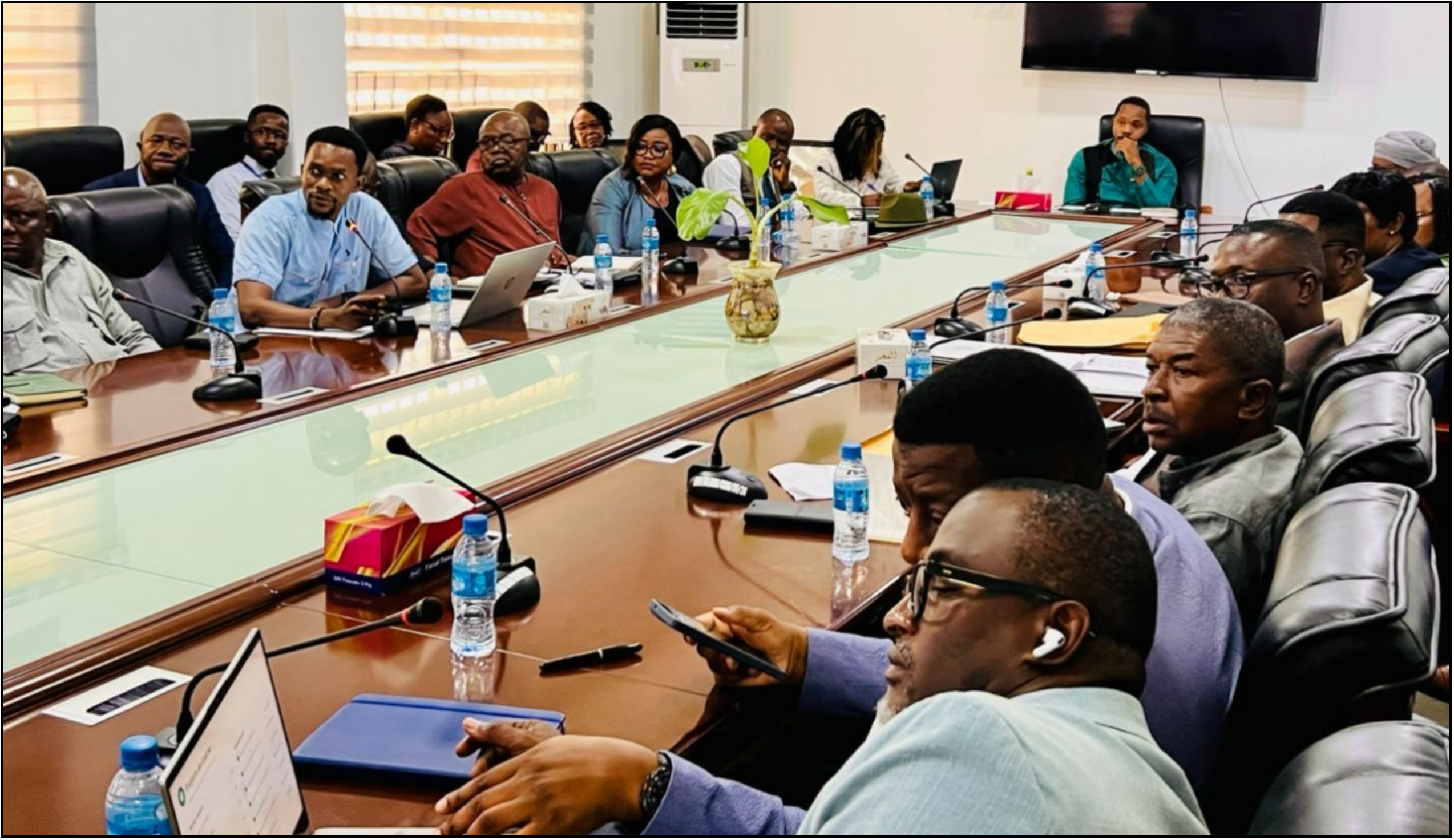
State Avenue, State House, Freetown,– Chief Minister Dr David Moinina Sengeh this week held a Strategic Delivery Clinic with the Ministry of Works and Public Assets (MWPA) to accelerate the delivery of key national infrastructure projects and strengthen accountability for results under the Government’s Big Five Game Changers. Key issues discussed included translating the Ministry’s FY2027 project portfolio into solid delivery commitments, restarting stalled work, arranging financing, tightening project management, and setting strict deadlines for completion, commissioning, and handover.
The clinic brought together senior leadership and technical teams from the Ministry to review the FY2027 delivery matrix, assess the status of ongoing projects, identify constraints to financing, contracts and operations, and agree on practical next steps to accelerate implementation. In his opening remarks, Chief Minister Sengeh highlighted the need to go beyond planning to deliver on approved investments in physical public assets and improved service delivery.
Minister of Works and Public Works: The Ministry’s commitment to enhancing the delivery of public infrastructure and assets has been reiterated by Dr Denis M. Sandy. Ing. Abdul J.B. Shaw, Director of Infrastructure Design and Development, delivered the technical presentation, presenting the MWPA’s FY2027 project portfolio and priority delivery profiles to accelerate implementation over the next year.
The reviewed portfolio includes 26 priority projects. Half are ongoing recovery projects, and the other half are projects proposed for FY2027. The project portfolio is heavily skewed toward court infrastructure, rehabilitation of public buildings and upgrading of institutional assets throughout the country. Interventions under discussion at the clinic include restoring the State House and constructing High and Magistrate Court complexes in Waterloo and York, as well as court infrastructure and public building projects in Mongo, Kabala, Lungi, and Mabang.
One of the Clinic’s main objectives was to move projects from identification to concrete, measurable delivery commitments. We assessed the priority interventions on expected results, responsible owners, timelines, funding requirements, and monitoring actions. The Ministry’s delivery approach focused on four pillars: recovering and re-basing delayed projects; protecting monthly work, certification, and payment cycles; mobilising and preparing new priority projects for rapid start-up; and measuring outcomes through completion, commissioning, and handover.
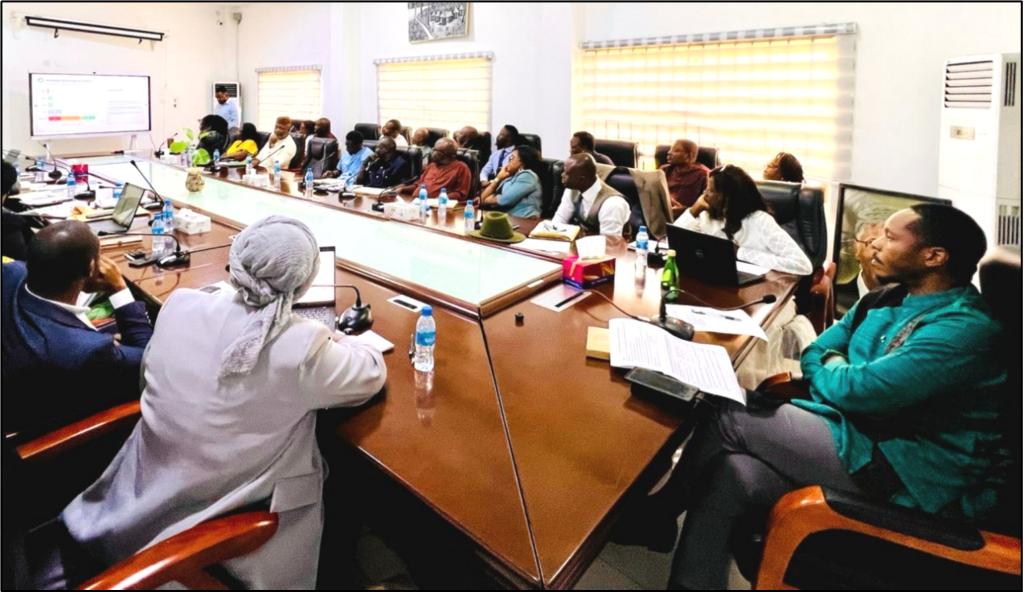
The engagement also identified common bottlenecks that have impeded progress on delayed projects, including unresolved contractual and financing issues, weaknesses in pre-contract preparedness, and deficiencies in project monitoring and payment processes. To address these bottlenecks, the Clinic identified practical solutions, including reducing delays in payment certification, mobilising or reprogramming financing where there are gaps, reestablishing delivery times for recovery projects, and strengthening monitoring mechanisms that provide real-time visibility on progress.
The Clinic has reached a key milestone in delivering evidence-based project baselines by 30 September 2026. The baselines will provide clear metrics for scope, budget and schedule to measure implementation performance. The framework sets expectations for tangible progress in delivery by the second quarter of FY2027, and for completion, commissioning, or handover of priority projects from September 2026 to August 2027.
The Strategic Delivery Clinic is part of the Chief Minister’s Office’s broader delivery-focused approach to ensure Ministries, Departments and Agencies translate approved plans and budgets into tangible results. The initiative aims to provide greater control over implementation, identify emerging constraints early, and address them before they affect project timelines or value-for-money outcomes.
The Clinic’s infrastructure agenda aligns with the Government’s Big Five Game Changers, specifically Pillar Four: Technology and Infrastructure, which aims to transform the country’s infrastructure and public service architecture to drive economic growth, improve public services, and create an enabling environment for development. The Clinic helps ensure public investments are delivered efficiently, deliver value for money, and increase access to essential services for citizens nationwide by strengthening planning, financing, monitoring, and implementation.
Participants agreed on next steps to implement the Clinic’s decisions, including immediate action to resolve contractual and financing bottlenecks on delayed projects, tightening of monthly certification and payment cycles, improving pre-contract readiness for FY2027 projects, and deploying strengthened monitoring and reporting tools. “These measures are intended to translate the Ministry’s delivery commitments into tangible outcomes and underpin the Government’s commitment to disciplined and accountable delivery of the Big Five infrastructure priorities.
