
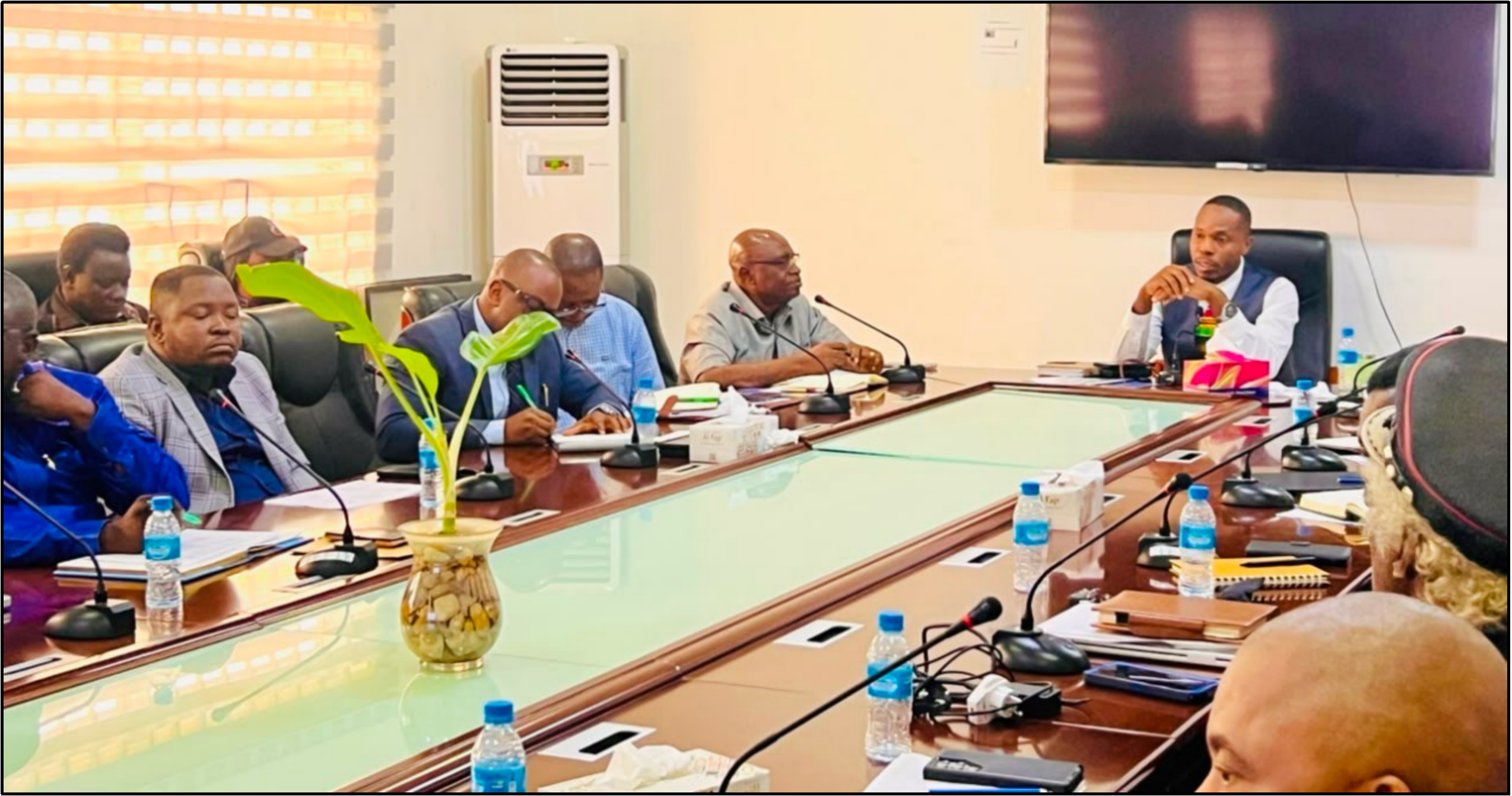
Chief Minister Dr David Moinina Sengeh on Thursday 13 August 2026 led a Strategic Delivery Clinic with the Ministry of Internal Affairs and its agencies to review institutional priorities, set measurable targets and improve coordinated delivery in support of the Government’s Big Five Game Changers.
The clinic provided a structured platform for the Ministry and its agencies to share implementation plans, identify key deliverables and align institutional workplans with the national development agenda. Chief Minister Sengeh said Delivery Clinics are meant to build a shared commitment to clear, ambitious but achievable goals over six, twelve and eighteen-month time horizons, with a focus on results that bring direct benefits to citizens.
Minister of Internal Affairs, Morie Lengor, Esq, restated the Ministry’s resolve to turn agreed priorities into concrete results through improved institutional performance and inter-agency coordination. Senior officials from the Ministry’s portfolio gave presentations on specific actions, metrics and timelines for the coming months.
Rashid Kabba of the Independent Police Complaints Board (IPCB) submitted an 18-month implementation plan for the transformation of the IPCB into an Independent Policing Oversight Commission (IPOC), and for enhancing independent policing oversight. The IPCB priorities include institutional restructuring and targeted recruitment, moving the IPOC Bill through the legislative process, strengthening policy and strategic planning capacity, decentralising access to complaints services across the country, and implementing a digital complaints management system to improve transparency and responsiveness.
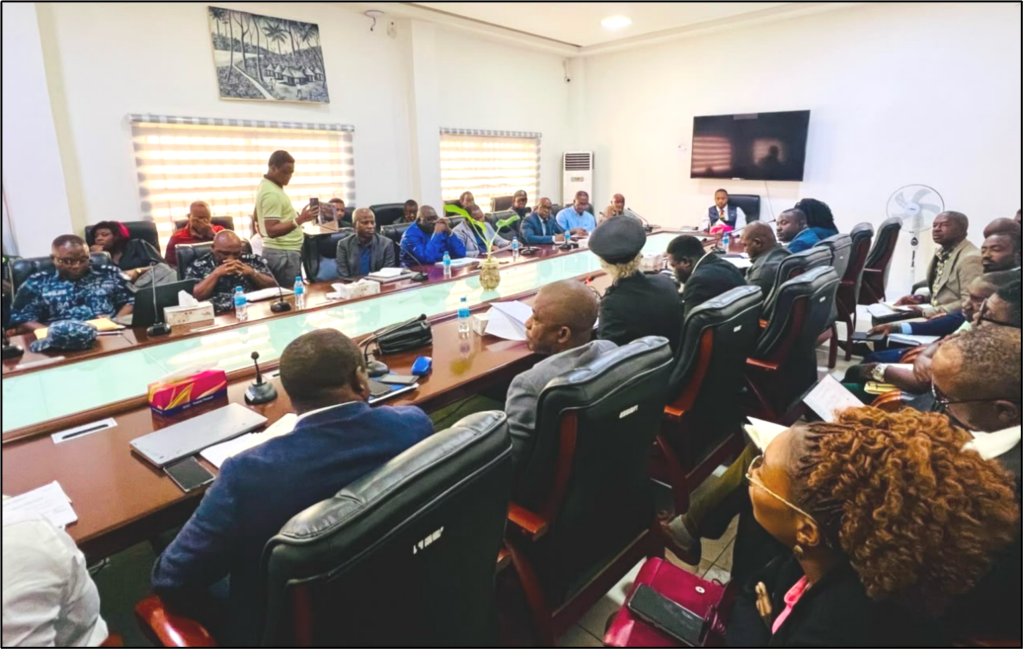
Ibrahim Samuel Dugba of the National Drug Law Enforcement Agency (NDLEA-SL) submitted a 12-month action plan to improve drug law enforcement and prevention. The NDLEA-SL plan will focus on building staff capacity, improving data and intelligence systems and disrupting drug trafficking networks. Goals set to ensure that enforcement leads to successful case outcomes include increasing the number of seizures and arrests, expanding prevention and public-awareness programs in schools and communities, and improving prosecution of drug-related offences.
Other agency presentations, under the supervision of the Ministry, underscored complementary institutional priorities, with NCRA Director-General Mohamed Massaquoi, the Inspector-General of Police and senior representatives of the Sierra Leone Police, National Fire Force Chief Nazir Ahmad Alie Kamanda Bongay, and Head of Immigration Dr Moses Tiffa Baio. These submissions reflected the importance of increasing resourcing, training, data-driven decision-making, and procedural reforms to improve public safety, national security, regulatory systems, service delivery and operational effectiveness.
The government was pleased with the presence and engagement of all the agencies during the session, said Sengeh, and stressed the need for all to work together and hold each other accountable to the government’s delivery targets. He repeated that setting specific and measurable goals for institutional plans would help make faster progress against the Big Five Game Changers visible.
The Strategic Delivery Clinic is one component of a broader government initiative to improve accountability, coordination and performance in the public sphere. The Delivery Clinic will help translate national priorities into institutional targets that are measurable and contribute to outcomes in the Big Five pillars: stronger public sector systems, improved security and justice services, increased human capital, increased use of technology and innovation, and more effective institutions that deliver results for citizens.
