
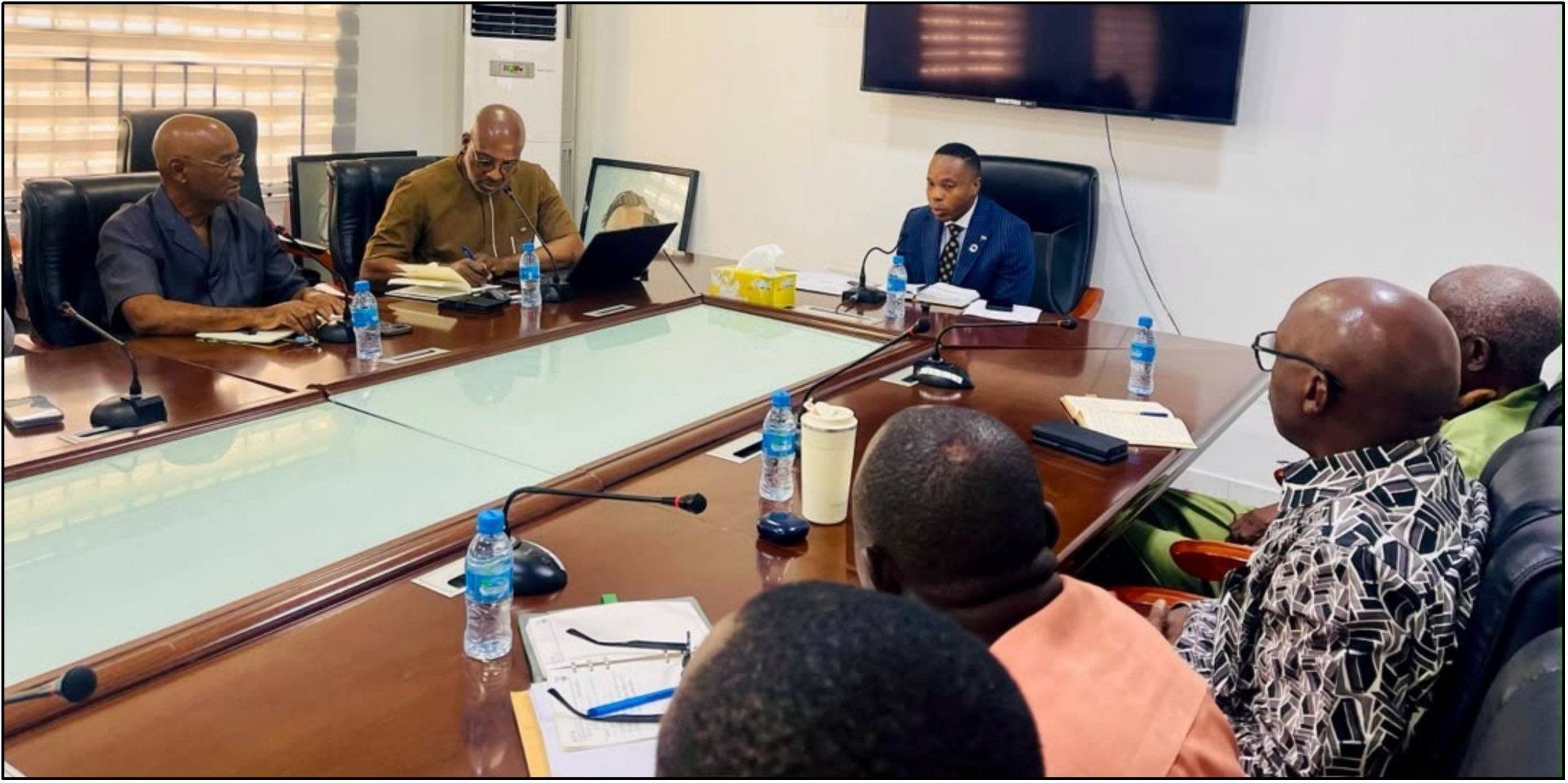
State House, State Avenue, Freetown, Wednesday, September 10 2026 – Chief Minister Dr David Moinina Sengeh today convened a Strategic Delivery Clinic with the Ministry of Energy and its agencies to sharpen implementation, review progress and set delivery priorities for a major national push to expand electricity access and accelerate renewable energy deployment under the Government’s Big Five Game Changers, particularly Pillar Four on Technology and Infrastructure.
In his opening statement, Dr Sengeh said the clinic was being organised to distil and clarify the Ministry’s priorities within the framework of the Medium-Term National Development Plan and to ensure that energy-sector interventions are firmly aligned with the Government’s wider development ambitions. He stressed that reliable access to electricity is key to Sierra Leone’s economic transformation, rural development, improved public services, and broader social progress. He underlined the need to move from planning to measurable results.
Minister of Energy Cyril Arnold Grant presented the Ministry’s Energy Access Plan 2027 and emphasised the need for open, results-based conversations about achievements, ongoing challenges, and tangible prioritisation of interventions. His presentation highlighted current and planned interventions across generation, distribution and clean-energy deployment as Government seeks to expand access to reliable and sustainable electricity nationwide.
The Ministry’s plan sets an ambitious national target to raise electricity access from the current 36 per cent to 78 per cent by 2030. Reaching that goal will require about 250,000 new connections a year. Specifically, the Ministry aims to deliver 55,440 direct electricity connections in 2027, benefiting over 300,000 people. The plan also provides for targeted electrification of critical public institutions and enterprises, including 1,500 schools, 1,000 health facilities, and 2,500 small and medium-sized enterprises.
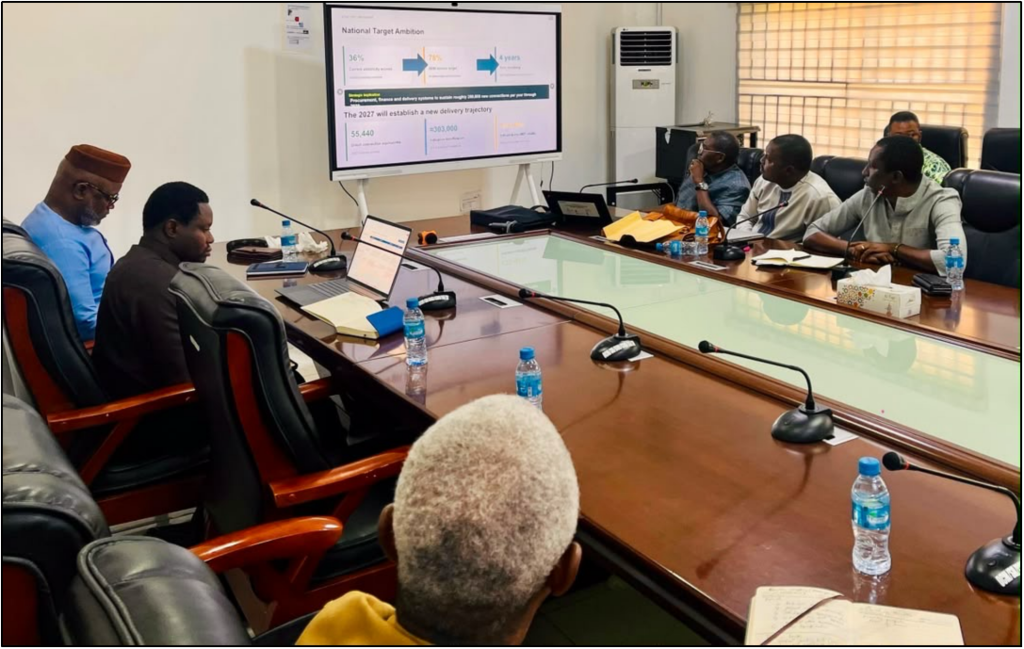
On the clean-energy front, the plan calls for deploying 289 MW of utility-scale renewable energy and decentralised solutions such as 100 mini-grids, 20,000 solar home systems, and the distribution of 50,000 clean cookstoves to reduce dependence on traditional fuels. The plan highlights key infrastructure priorities including the rehabilitation of 10,330 streetlights, the construction of 100 km of 66 kV transmission lines and the operationalisation of the Bo–Kenema transmission line to facilitate access to regional electricity through the CLSG system.
The Strategic Delivery Clinic provided a platform for the Ministry and its agencies to review delivery targets, identify implementation bottlenecks and improve inter-agency coordination on priority interventions. The Ministry’s 2027 plan includes an interim target to increase national electricity access to 40 per cent by September 2027, positioning the sector to contribute to the 78 per cent ambition for 2030 steadily.
Participants used the meeting to probe financing, procurement, technical and institutional constraints and to assign responsibilities for follow-up actions. This engagement shows the Government’s commitment to making energy access a foundation for inclusive economic growth, improved public services, and rural transformation, while driving a more sustainable and resilient energy sector under the Big Five Game Changers.
