
By Francis Kargbo
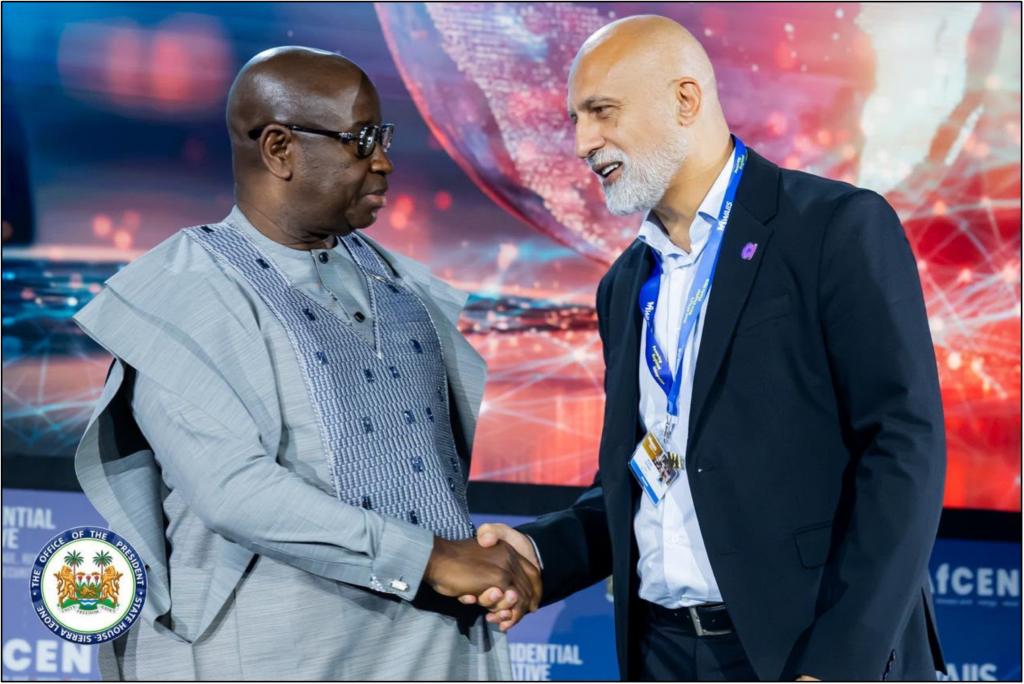
Africell Sierra Leone Chief Executive Officer Shadi Gerjawi has reiterated the company’s commitment to job creation, youth skills development, and promoting women’s leadership. He made this known at the West Africa Integration and Investment Summit 2026. “Economic growth depends on opportunities across several sectors. Digital skills and inclusion are increasingly becoming critical for the future workforce,” he stated.
“Africell directly employs around 1,000 people and its operations, business relationships and partnerships sustain over 50,000 indirect jobs,” Gerjawi said. He noted that the company’s contributions were not limited to telecommunications but also included Afrimoney, Afri Media and a collaboration with Sierratel.
Gerjawi said the partnership helped bring back the state-owned telecom company. He also announced a forthcoming partnership with the government of Sierra Leone, which he says will bring new opportunities, especially for the youth. He did not elaborate on the venture.
The CEO said the employment strategy of Africell focuses on young people. He noted that many employees are under 30, including some fresh university graduates. One route into the business is through Africell’s Future Leaders program, which hires graduates straight from universities and gives them experience across several departments.
Program participants rotate through departments for a year before moving to the business environment, Gerjawi said. The initiative is part of the company’s efforts to develop talent and prepare graduates for employment,” he said.
Africell is also interested in vocational and technical education to develop skills. Last year, Gerjawi said the company partnered with the Military Vocational Training Centre and hired about 20 women who had received technical training. The skills included carpentry and welding.”
He said the engagement was to increase employment opportunities and raise women’s participation at all levels of the organisation. He said the example shows the value of looking beyond traditional career paths when considering how businesses can help prepare people for work.
Gerjawi also said jobs should not be created in one industry alone. He said agriculture, manufacturing, entertainment and film have the potential to provide jobs for a large number of young people.
He used Africell’s experience with the AYV Housemates to show the range of jobs available in the entertainment industry. But audiences pay attention to the people in front of the camera. He pointed out that a production also relies on people behind the camera, including those in technical and production roles. He believes the sector can create jobs far beyond the well-known numbers.
The discussion also touched on the impact of artificial intelligence, automation and other digital technologies on the workplace. Gerjawi warned against seeing technological change only as a threat to jobs. He recalled the fears in the 1990s that the internet and robots in manufacturing would take away jobs.
He said that while technology can change the kinds of work available, it can also create new industries, skills and job opportunities. “Some traditional roles will go away as technology evolves, but new ones will likely come up,” he admits. Therefore, he thinks digital proficiency and adaptability will be essential for almost every sector of the economy.
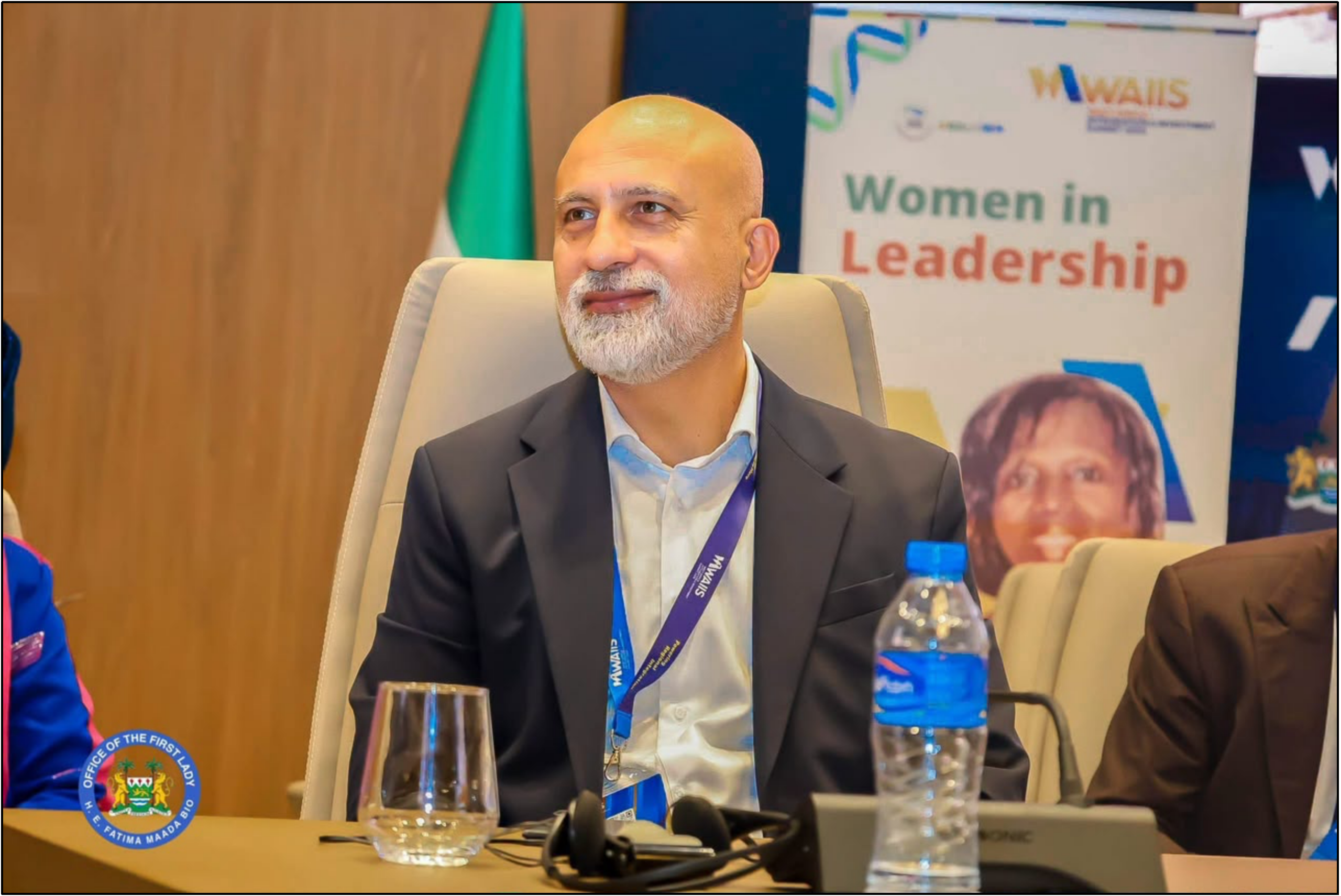
Gerjawi also spoke about gender equality and inclusive leadership at the summit’s Women in Leadership Conference. He said: “Women should not only be given access to opportunities in the digital industry, but also leadership, innovation and influence over its future.
He spoke about the support from Africell for the Women’s Empowerment Principles and the work the company is doing to promote women into strategic leadership roles. He stressed that gender inclusion should span the whole organisation, not just management positions.
As a HeForShe Ambassador, Gerjawi was convinced that women’s empowerment was everybody’s responsibility. “Men and women need to be part of the solution at the decision-making table,” he said. Public commitments alone will not create a more equitable workplace, he said. It requires deliberate policies, meaningful opportunities and collective action.
The comments linked Africell’s expansion and job-creation plans to broader questions about the future of work in West Africa. Youth unemployment, technological change, and gender inequality remain important development challenges in the region. Gerjawi said tackling them would require investments in skills, opportunities across multiple sectors, and workplaces where women and young people could participate and advance.
