
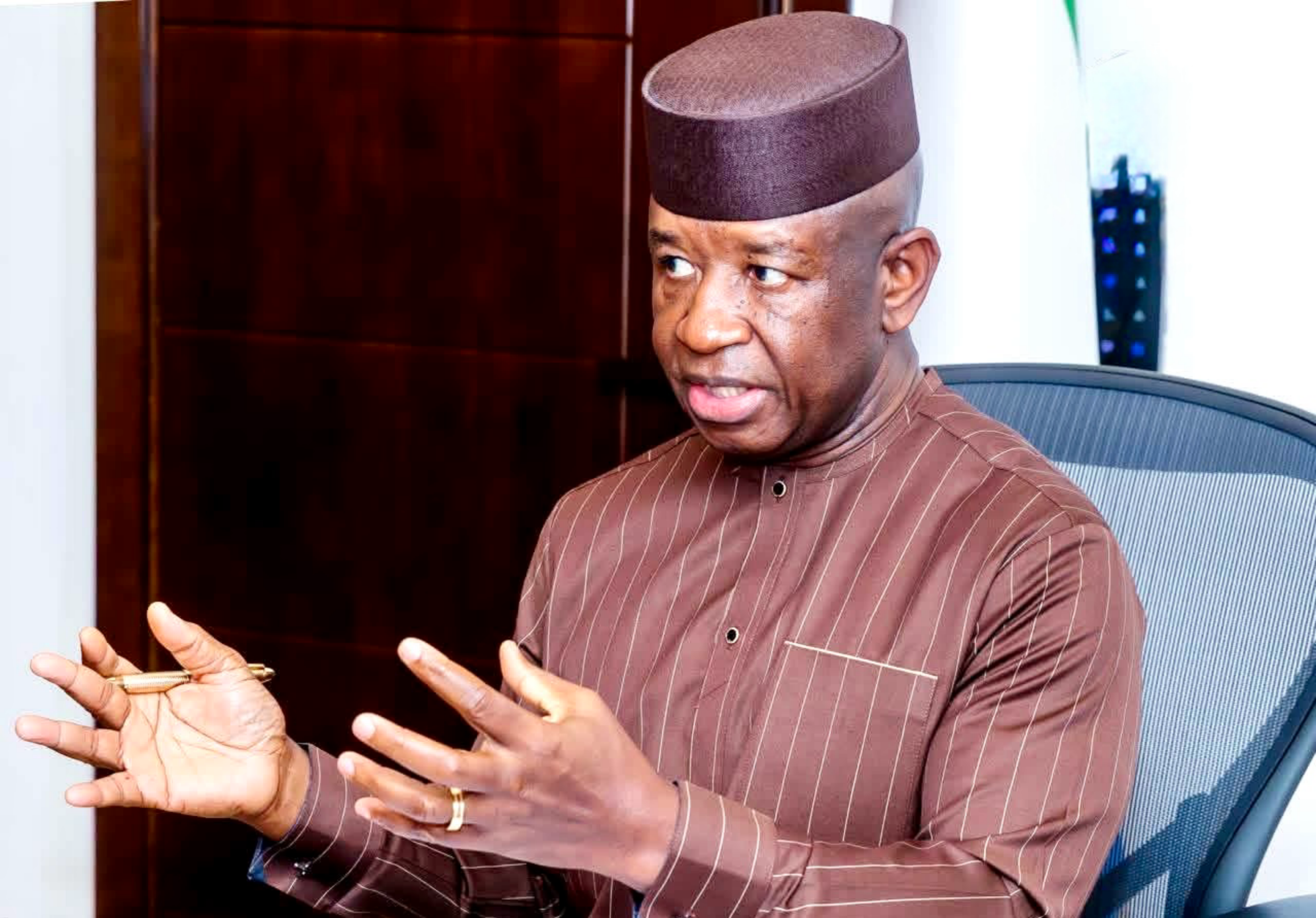
President Julius Maada BioPresident Julius Maada Bio has come under heavy public criticism, with opponents saying his government has repeatedly eroded democratic standards since he took office in 2018.
Many Sierra Leoneans doubt the self-proclaimed title of the ‘father of democracy’ because of the controversies surrounding court injunctions, the exclusion of opposition MPs from parliament, court rulings that saw opposition lawmakers lose their seats and the recent passage of a controversial constitutional amendment bill. Within months of Mr Bio’s presidency, his government had secured injunctions against 16 members of parliament from the All Peoples’ Congress, including the outgoing deputy speaker and former APC vice-presidential candidate, Chernor Bah.
On the day Parliament was to elect a new Speaker, police removed elected MPs from the well of the House, leaving SLPP candidate Abass Bundu unopposed to become Speaker. Critics said the episode showed a willingness to use the power of the state to alter the outcome of parliamentary elections. The composition of Parliament has also been affected by legal challenges.
The High Court’s decision in a petition by Justices Komba Kamanda (the current Chief Justice) and Mohamed Stevens unseated ten APC parliamentarians. Of those, nine seats went automatically to SLPP runners-up, with the tenth left vacant. The rulings and subsequent redistricting led to allegations of collusion between the judiciary and the executive to water down the opposition’s representation.
Tensions heightened when Parliament passed the Sierra Leone Constitution (Amendment) Bill, 2025 on August 10, 2026, following a heated debate. The bill now awaits President Bio’s signature. Top political, legal, and constitutional analysts have called on the President to refrain from signing the bill, saying the process followed contravened constitutional procedures. Parliament’s main opposition leader, Hon. Abdul Kargbo, has accused Speaker Hon. Segepoh Solomon Thomas and others involved in passing the bill of treason. Some have argued that President Bio will carry the same blame if he signs the bill into law.
The public reaction has been fierce and personal. For many Sierra Leoneans, this accumulation of incidents clashes with the President’s democratic rhetoric. “How can you say you are the father of democracy when you allow undemocratic processes to take place in Parliament?” asked Augustus Williams, echoing a widely held belief that democratic norms have to be followed both in letter and in spirit.
While the country awaits President Bio’s decision on the amendment bill, concerns linger about the future of Sierra Leone’s constitutional governance and whether its democratic institutions can withstand political contestation.
