
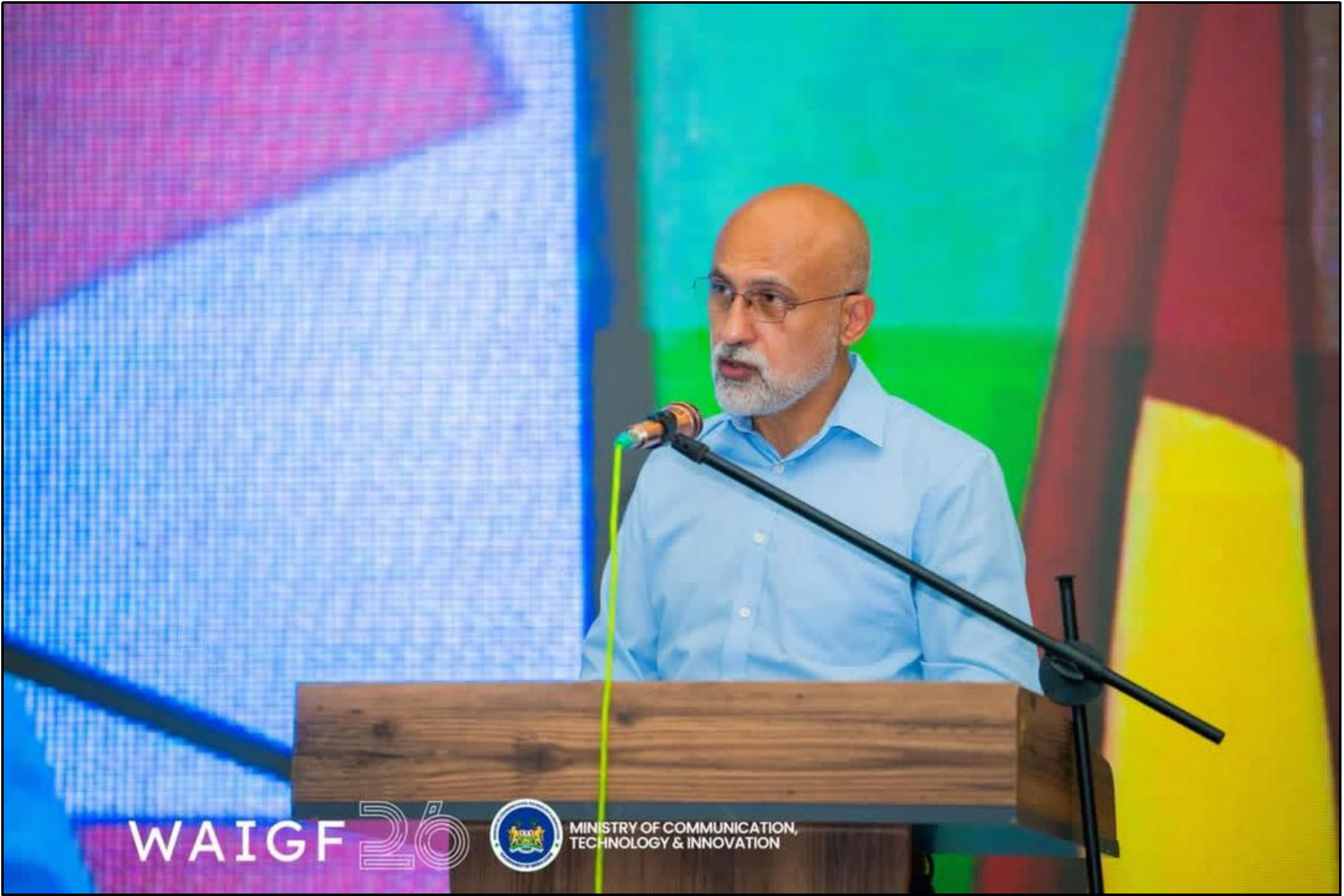
Shadi Gerjawi, CEO of Africell Sierra Leone, argued at the 18th West Africa Internet Governance Forum (WAIGF 2026) in Freetown that mobile network operators (MNOs) are critical to ensuring the region’s digital future. During the high-level five-day forum at the Miatta Conference Centre, Youyi Building, Gerjawi told policymakers, regulators, technology specialists, youth delegates, and private sector representatives that physical telecommunications infrastructure must be central to any effort to strengthen digital sovereignty in West Africa.
Gerjawi emphasised that digital sovereignty is useless in the absence of strong and resilient physical networks. He stated that telecommunications towers, subsea and terrestrial fibre, and last-mile connectivity solutions are the foundational architecture that allows countries to participate in the global digital economy while also protecting their citizens online. He emphasised Africell’s investments in Sierra Leone and the wider region, noting that countries with comprehensive connectivity and modern networks are better able to compete globally while also managing their populations’ digital rights and safety.
Gerjawi believes that expanding reliable connectivity to underserved and remote communities will necessitate long-term capital investment as well as enabling public policies. He advocated for government intervention, such as targeted subsidies and regulatory incentives, to reduce the risk of investment in difficult-to-access areas. According to him, while network coverage has increased in recent years, the cost of services has decreased significantly, making telecommunications more affordable to ordinary citizens.
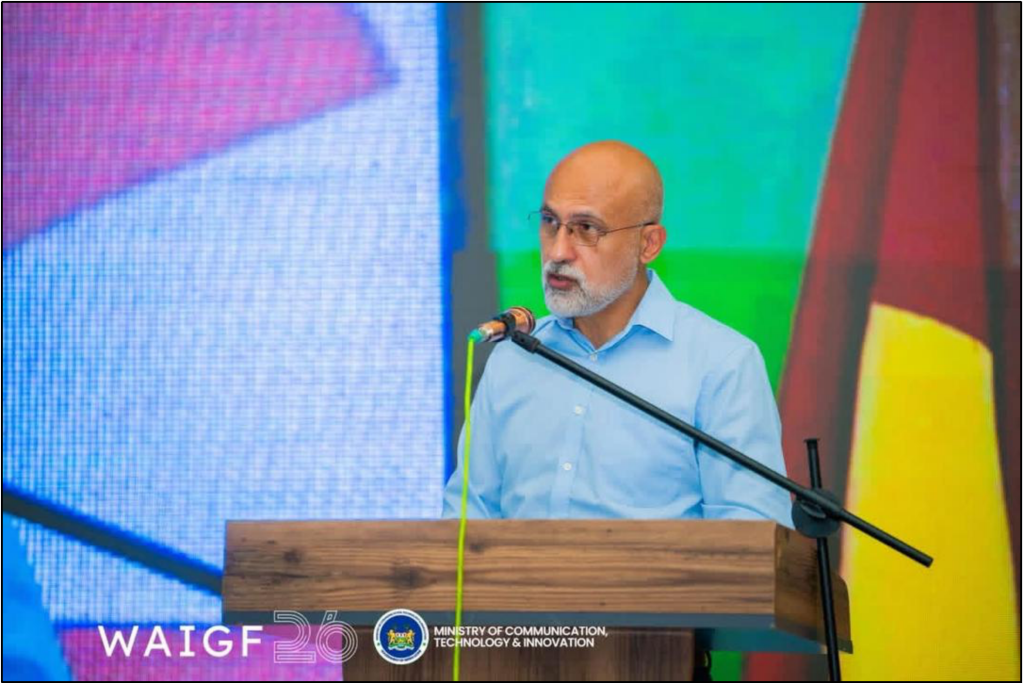
However, Gerjawi warned that infrastructure alone will not result in equitable digital transformation. He emphasised the role MNOs can play in digital literacy and workforce capacity building, pointing out that because operators interact with millions of users on a daily basis, they are well-positioned to collaborate with governments, schools, and training organisations. Operators can help young people gain practical digital skills necessary to participate in the digital economy through collaborations and targeted programs, he said.
He also discussed user protection and network trust. Gerjawi emphasised that mobile operators are responsible for protecting customer data and assisting vulnerable groups in staying safe online. He argued that reinforcing public trust in digital ecosystems requires strengthening cybersecurity measures, implementing best practices for data privacy, and developing trustworthy digital services.
Gerjawi also identified mobile money as a significant driver of financial inclusion in West Africa. He urged stakeholders to deepen financial integration by increasing access to credit, savings, and insurance products delivered via mobile platforms. To fully benefit from digital financial services, he suggested that stronger regulatory cooperation, innovative product design, and ongoing collaboration between regulators and industry be required.
The forum’s opening ceremony featured a variety of discussions about regional digital transformation, cybersecurity, digital inclusion, and innovation. During the event, government officials reaffirmed their commitment to increased collaboration among West African states to build secure, resilient, and sovereign digital infrastructures. The WAIGF event came after the West Africa School on Internet Governance, which brought together experts, facilitators, and fellows to discuss topics such as artificial intelligence, cybersecurity, data governance, and other emerging technologies.
WAIGF 2026 aims to make concrete recommendations that will help shape internet governance policies, promote greater digital inclusion, and foster innovation throughout the region. Gerjawi praised Sierra Leone for hosting the regional forum and urged governments, donors, and industry partners to turn dialogue into sustained action ensuring that investments in infrastructure, skills, and regulation accelerate West Africa’s secure and inclusive digital future.
