
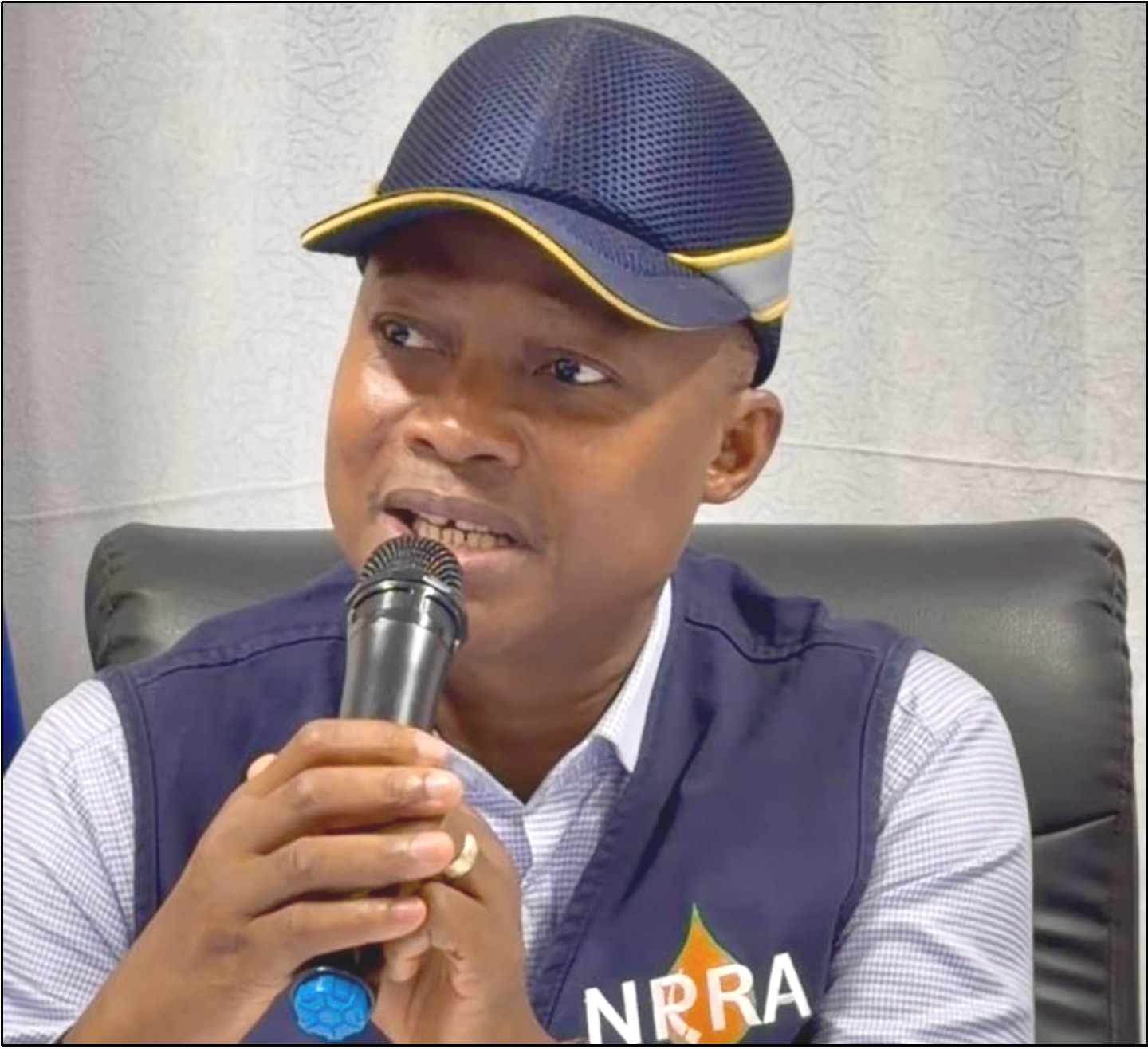
Director General, Brima Baluwa KoromaThe National Petroleum Regulatory Authority (NPRA) declared in January 2026 that the price of fuel would increase from approximately NLe 25.00 to NLe 28.50 per litre at the pump.
The increase, according to the regulator, is a result of new tax policies that were included in the 2026 budget with the goal of boosting domestic revenue collection. On the other hand, the adjustment has caused immediate public concern and several economic risks.
Transportation nationwide increased fares within hours of the NPRA’s announcement, transferring the increased cost of fuel to commuters. Urban and rural traders and transporters have issued warnings that the new pump price will swiftly affect the price of goods and services. The increase comes at a time when household budgets are already severely strained, according to many Sierra Leoneans, because of ongoing inflation, stagnant wages, unstable electricity, and inadequate public services. When evaluating the regulator’s role, critics have been direct.
The NPRA, according to critics and some members of the public, has exacerbated hardship due to the frequent hikes in fuel prices and the perception that fuel has become a “political commodity.” They contend that low- and middle-income households, who spend a larger portion of their income on food and transportation, are disproportionately impacted by frequent increases in pump prices. Markets are already exhibiting the immediate inflationary effect. Food supply transportation costs are higher, according to retailers, especially for rural produce that has to travel great distances to reach urban markets.
The rising costs of staple foods that many Sierra Leoneans rely on have made food insecurity a bigger problem for households that are already at risk. In a time when many businesses are operating on thin margins, small and medium-sized businesses that depend on diesel generators to deal with frequent power outages say their operating costs have increased, endangering jobs and profitability.
Economic distress is acknowledged, even at the highest governmental levels. Early this year, President Julius Maada Bio acknowledged that the nation’s economic status had gotten worse and promised to take action that would provide “tangible results” for the populace. The government is being urged by advocates and civil society organisations to accompany revenue measures with targeted relief, such as social safety nets or subsidies for the poorest households, assistance for public transportation, or steps to stabilise the electricity supply in order to lessen reliance on expensive generators.
As of right now, Sierra Leoneans must deal with the immediate realities of rising transportation costs, sharply rising food prices, and higher basic service costs. One of the main concerns as the nation adapts to the new fuel-price regime is whether the government’s revenue strategy will be balanced with adequate protections for the most vulnerable.
