
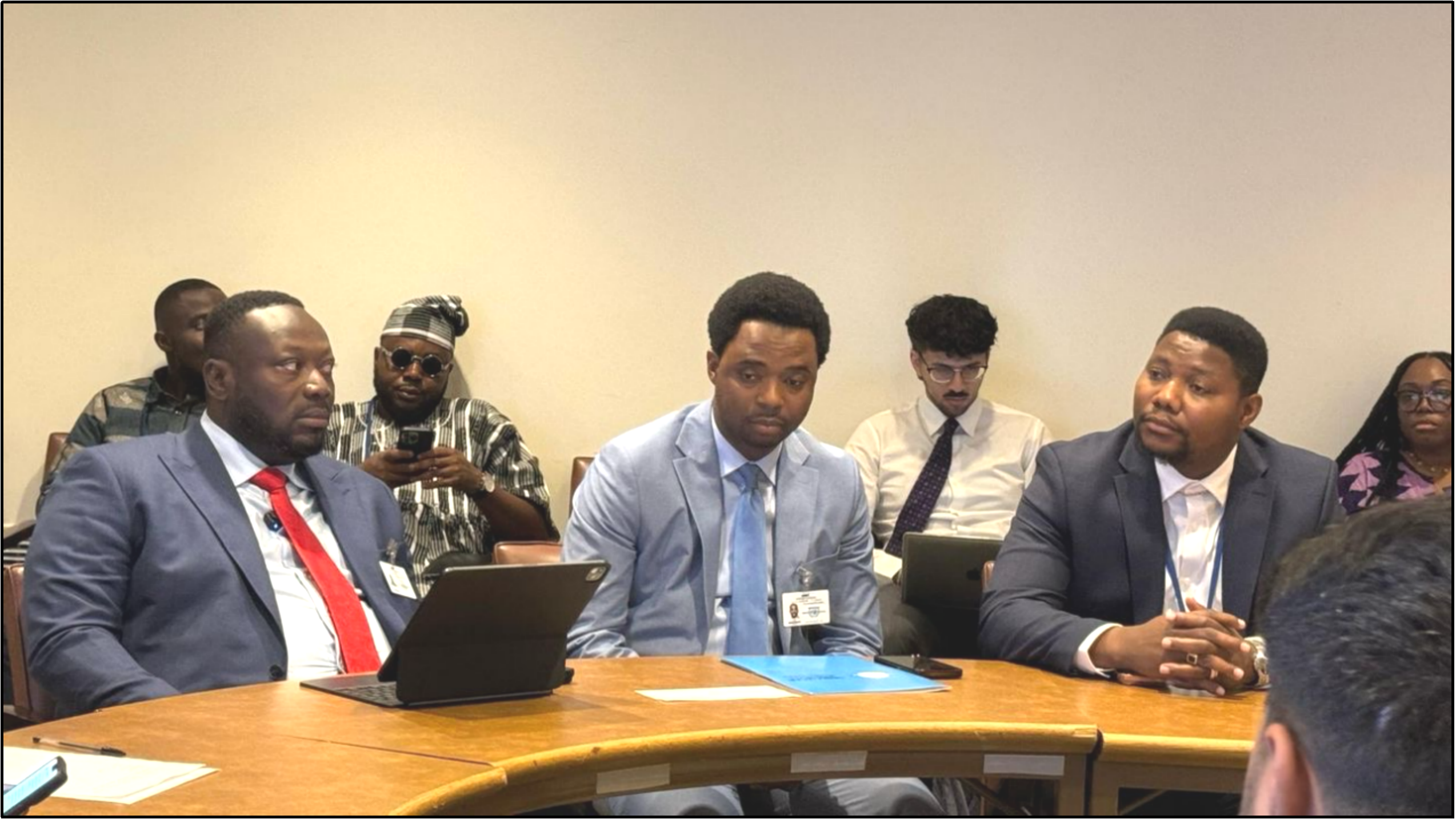
Sierra Leone’s Minister of Youth Affairs, Ibrahim Sannoh, used a high-level Side Event of the 2026 ECOSOC Youth Forum on 16 April to press international and domestic stakeholders to convert commitments into concrete, youth-led solutions that accelerate progress on the Sustainable Development Goals (SDGs). The event, convened by the Commonwealth Youth Council in partnership with the Governments of Sierra Leone and Ghana and UNESCO, brought together policymakers, UN agencies, development partners, private sector representatives and youth leaders to deliberate on how to boost meaningful youth engagement in sustainable development.
In a keynote that combined urgency with a practical roadmap, Minister Sannoh argued that young people should be treated not as passive recipients of aid but as active drivers of development. “My ministry is guided by a simple principle,” he said. “When young people are empowered, equipped, and included, development accelerates.” He stressed that the energy, creativity and commitment of youth are essential to turn the ambitions of the 2030 Agenda into measurable outcomes.
Yet the minister was frank about persistent obstacles that blunt young people’s capacity to lead. He cited systemic barriers such as limited access to quality education, lack of digital tools and connectivity, and insufficient avenues for meaningful participation in public life. He also warned that unless interventions are deliberately inclusive, the most marginalised—young women, persons with disabilities and other excluded groups—will be left behind.
To guide action, Minister Sannoh proposed a three-pillar approach designed to ensure youth-led initiatives deliver sustainable impact. The first pillar, inclusion, calls for targeted outreach and financial mechanisms that expand opportunities for historically marginalised young people. He emphasised that inclusion must be intentional and measurable, not an afterthought.
The second pillar focuses on skills development and meaningful engagement. The minister urged a move away from short-term volunteerism toward structured programs that build leadership, technical and professional capacity and long-term civic participation. He highlighted the value of accredited training, mentorship, and practical learning pathways, arguing that investments in these areas will enable young people to contribute effectively across sectors—education, health, climate resilience, economic empowerment and peacebuilding among them.
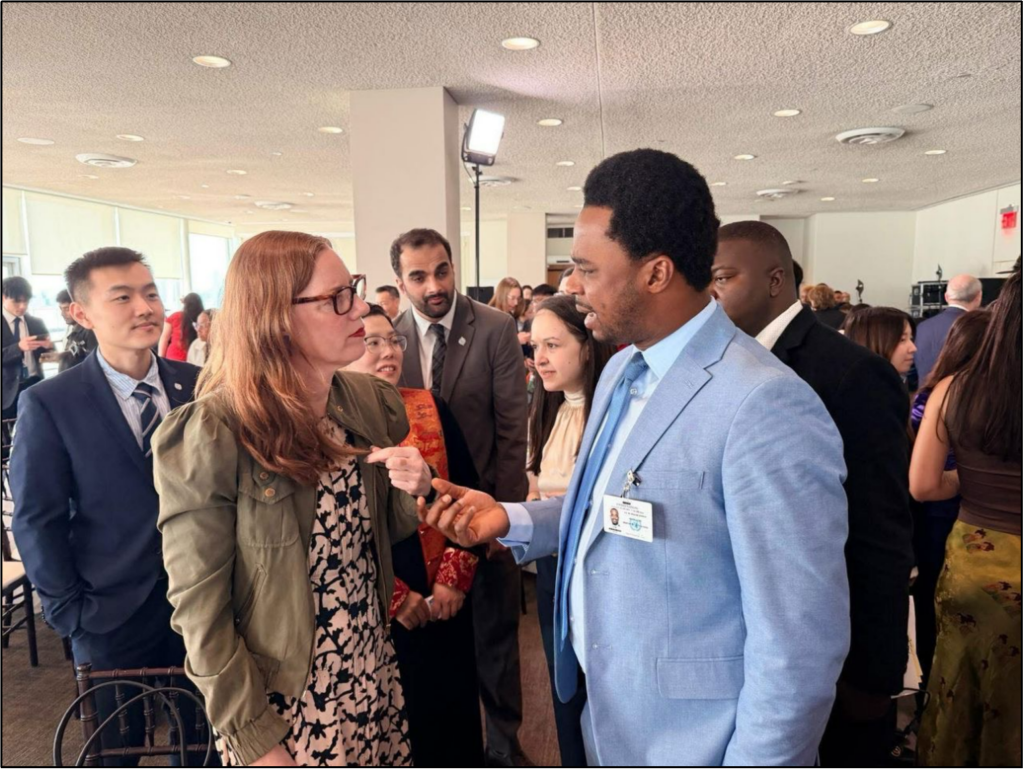
The third pillar centres on partnerships and accountability. Minister Sannoh called on governments, youth organisations, UN agencies and private sector actors to commit to predictable financing, clear legal frameworks and robust monitoring systems. “Programmes alone are not enough,” he warned, arguing that sustainable outcomes require sustained political will, consistent funding and transparent mechanisms to track progress and enforce commitments.
To translate those pillars into action, he announced a new initiative to mobilise young volunteers across critical sectors. The program is designed to produce immediate, measurable results in areas such as education and healthcare delivery, support for communities affected by climate shocks, and peacebuilding efforts, while simultaneously building the skills and leadership capacity of the volunteers themselves. Although details on scaling and financing were not fully disclosed at the event, the minister framed the initiative as a tangible step toward operationalising his ministry’s priorities.
In a pointed appeal to the youth present, Minister Sannoh urged ongoing engagement and accountability. “Your voice matters. Your innovations, your volunteerism, and your leadership are the levers of change,” he said, inviting young people to be co-designers, implementers and evaluators of policies that affect their futures. He closed with a rallying call for stakeholders to move “from promise to progress,” underscoring that measurable impact, inclusive investment and strong partnerships are essential to meet the 2030 Agenda.
The address was received as a clear strategic blueprint for strengthening youth participation in development and reinforced Sierra Leone’s public commitment to harnessing its young population as a catalyst for sustainable change. Stakeholders at the forum signalled interest in collaborating on the minister’s proposed frameworks, while youth delegates emphasised their readiness to hold leaders to account as implementation moves forward.
