
Liberia is under intense scrutiny after authorities intercepted 198 compressed plates of cocaine (237.6 kg) hidden in cargo boxes at Roberts International Airport, bound for Europe via a Brussels Airlines flight. A Margibi County court has ordered airport management to turn over CCTV footage, waybills, and shipping documents as investigators work to map the trafficking network. The seizure has fueled public debate over security transparency and raised suspicions of systemic collusion in customs, port, and airport operations.
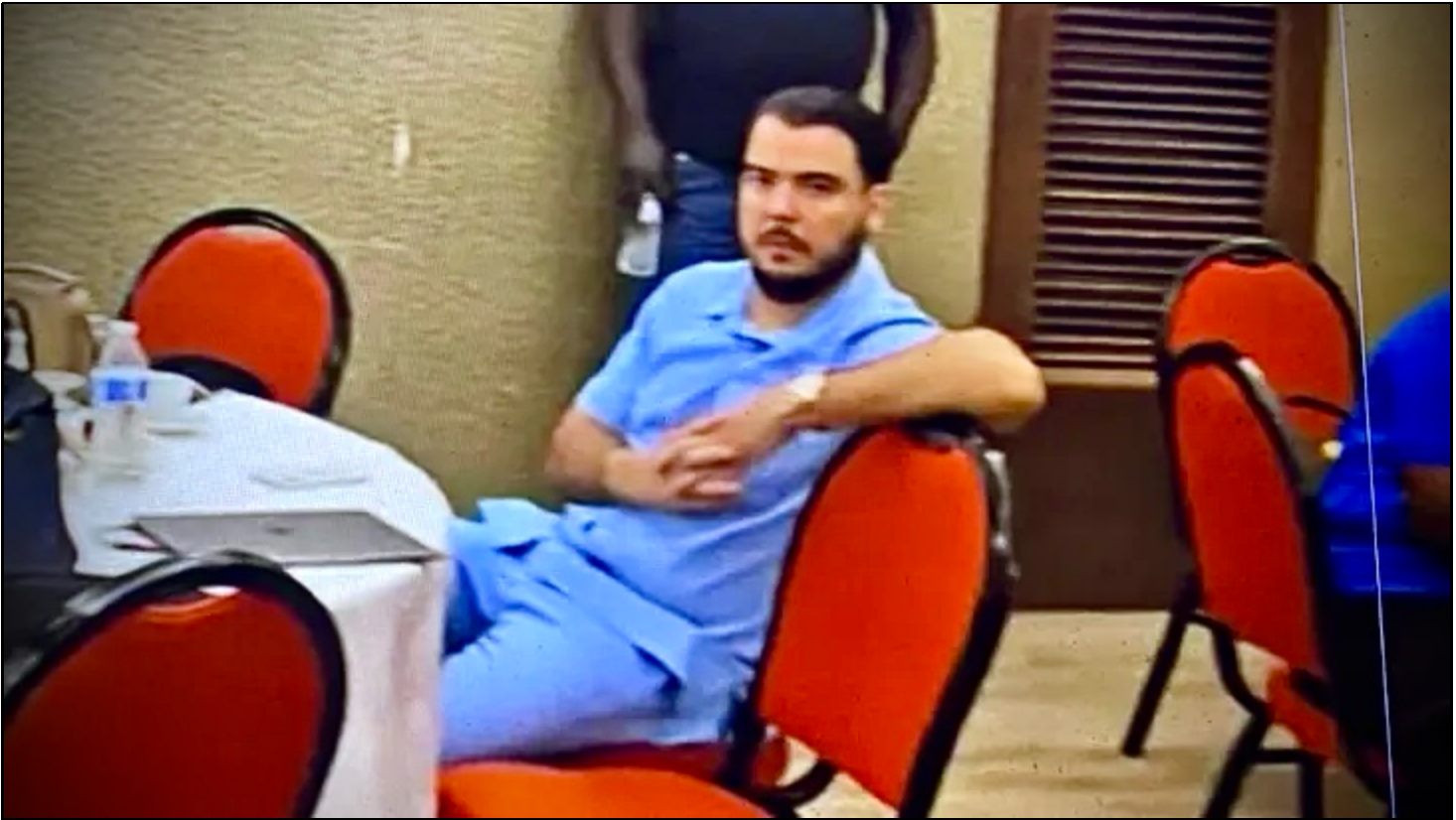
Diplomatic and media attention has focused on Jos Leijdekkers (also known in Sierra Leone as Omar Sherriff), a convicted Dutch drug trafficker who investigators claim is living in Freetown with the alleged protection of members of the Sierra Leone government. European courts have sentenced Leijdekkers to long prison terms in absentia for large-scale cocaine trafficking, contract killings, and money laundering; the Netherlands has formally requested his extradition, and the EU is said to have put pressure on Sierra Leone over his presence. According to FrontPageAfrica, Leijdekkers has moved covertly between Freetown and Liberia, and Dutch and Belgian authorities have requested meetings with Liberia’s security leadership to discuss his suspected involvement in regional drug operations.
Liberian authorities have escalated the investigation to a national security level. The Liberia Drug Enforcement Agency (LDEA), the Liberia National Police, and the Ministry of Justice have announced that a joint national security investigation, coordinated by the National Security Council, is currently underway. LDEA officials report that they have obtained CCTV footage from the airport. Airport security intelligence supervisor Oscar Browne, who was abroad at a China-sponsored aviation seminar and is said to have called senior security trainer Roland Taylor to influence a consignment, and security official Benjamin Rivercess are among those named in the reports. According to sources, Browne was on his way to Monrovia, where some observers expected him to be arrested.
The seizure comes after a string of recent drug incidents between Liberia and Sierra Leone, including the discovery of marijuana and tramadol, the arrest of an embassy-affiliated driver in December 2024 with seven suitcases of cocaine, and a high-profile 2023 case in which suspects linked to a 520 kg shipment later escaped and were acquitted, all of which have raised questions about impartiality and accountability. Experts warn that the scale of the operation indicates organised crime sophistication, necessitating tacit cooperation from customs, port, and financial actors, raising concerns that banking, warehousing, and security networks may be involved.
President Joseph Boakai has vowed zero tolerance, stating that Liberia will not be a haven or transit point for narcotics, and has directed investigators to pursue both couriers and larger networks that finance and facilitate trafficking. Nonetheless, activists, opposition figures, and international partners call for transparent, independent investigations, fearing that unresolved impunity and a fugitive like Leijdekkers operating in the region will exacerbate instability and derail regional efforts to combat transnational organised crime.
Subscribe to Updates
Get the latest creative news from FooBar about art, design and business.
Liberia’s $19 million cocaine seizure linked to Sierra Leone-based Dutch fugitive Jos Leijdekkers

gleanernewspaper
Gleaner Newspaper is the Home for exclusive local news, views, and adverts from Sierra Leone. Publisher: Gleaner Communications Sierra Leone.