
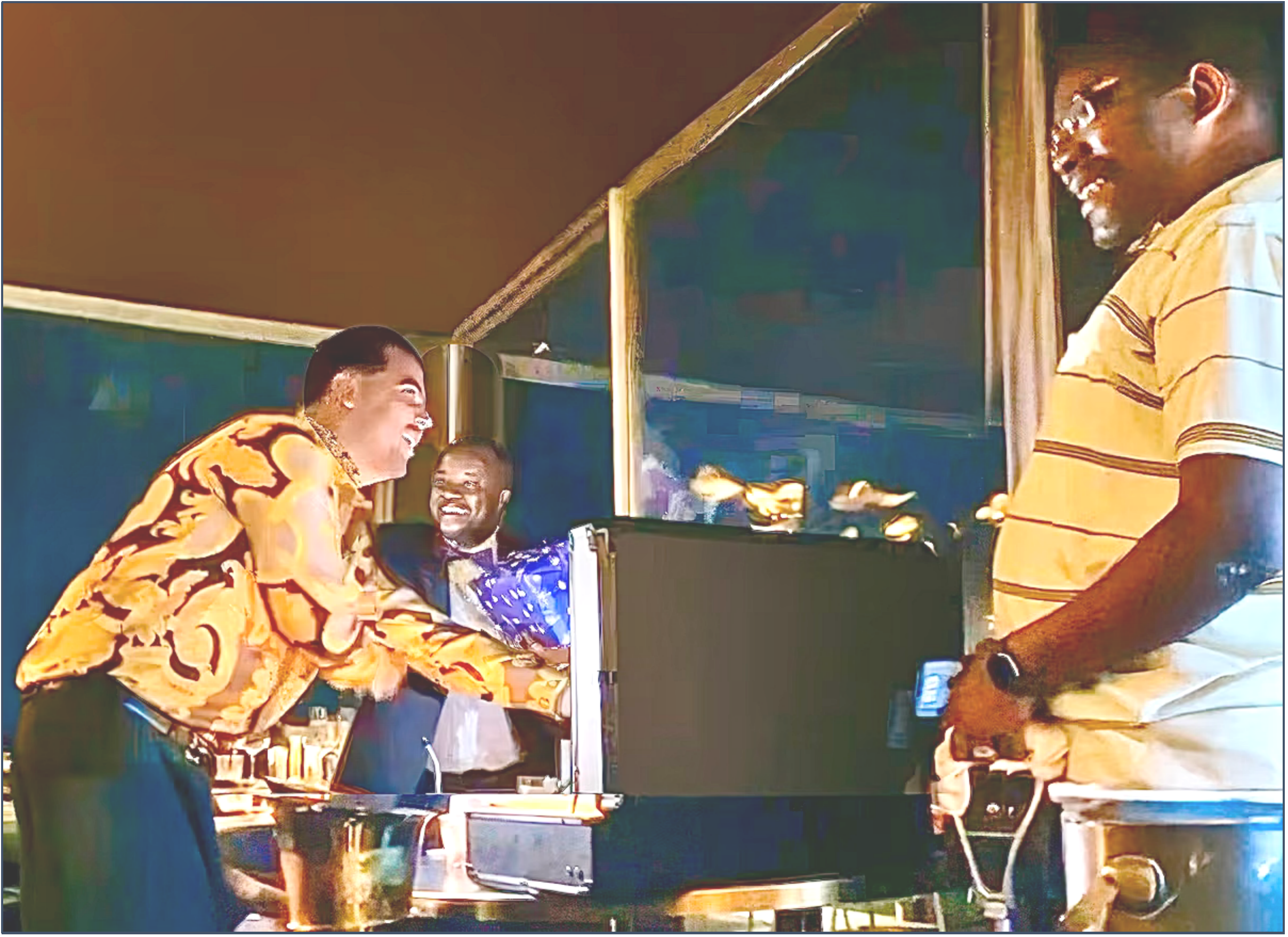
Johannes "Bolle Jos" Leijdekkers presents a gift to Alusine Kanneh (Sierra Leone's Chief Immigration Officer at the time), who celebrates his 50th birthday in June 2024 at LOR, an upscale restaurant in Freetown, Sierra Leone. On the right is Andrew Jaiah Kaikai, the Executive Director of Sierra Leone's National Drug Law Enforcement Agency (NDLEA).
Sierra Leoneans are sceptical of President Julius Maada Bio’s commitment to combating drug trafficking, following high-profile associations between senior officials and the Dutch national portrayed in international reports as a major cocaine trafficker.
President Bio announced five decisions during a State House stakeholders meeting last week. The review aims to increase penalties, strengthen enforcement, and include provisions for asset seizures to dismantle the financial networks that allegedly profit from cartel activity. However, the announcement was met with widespread public disbelief. The review aims to increase penalties, strengthen enforcement, and include provisions for asset seizures to dismantle the financial networks that allegedly profit from cartel activity.
However, the announcement was met with widespread public disbelief. Many Sierra Leoneans have taken to social media to question whether tougher laws will be effective if individuals allegedly linked to trafficking networks remain free and move in elite circles. Some argued that arresting and prosecuting the Dutch national identified as a key figure in a cocaine-trafficking network based in Freetown would be a necessary first step. Johannes “Jos” Leijdekkers is a Dutch man who used the alias “Omar Sheriff” while operating in Sierra Leone, according to international reporting, including an extensive investigation by the United States magazine New Lines.
According to reports, he established a cocaine-trafficking business and cultivated relationships with Sierra Leone’s political elite over time. According to New Lines, Leijdekkers was deeply involved in elite networks and, according to some sources cited in the article, engaged to a member of the president’s family. According to the magazine, he spent a lot of money to gain influence, including buying cars and other favours for officials and security personnel.
A high-profile birthday event for then-Chief Immigration Officer Alusine Kanneh sparked a local controversy. The leaked video from Kanneh’s 50th birthday party at Freetown restaurant LOR shows a figure identified as “Omar Sheriff” presenting Kanneh with a golden Rolex. Kanneh was fired as Chief Immigration Officer in March 2025 as a result of his relationship with the man known as Leijdekkers in the media.
Andrew Jaiah Kaikai, the Executive Director of the National Drug Law Enforcement Agency (NDLEA), was also visible in the footage. Kaikai, a former Texas-based lawyer who has held immigration roles in Sierra Leone, has faced questions from the public about his ownership of multiple luxury sport utility vehicles, including a Mercedes G-Class. He told local media that the vehicles were gifts from “a Lebanese friend,” but critics claim this explanation is not fully supported.
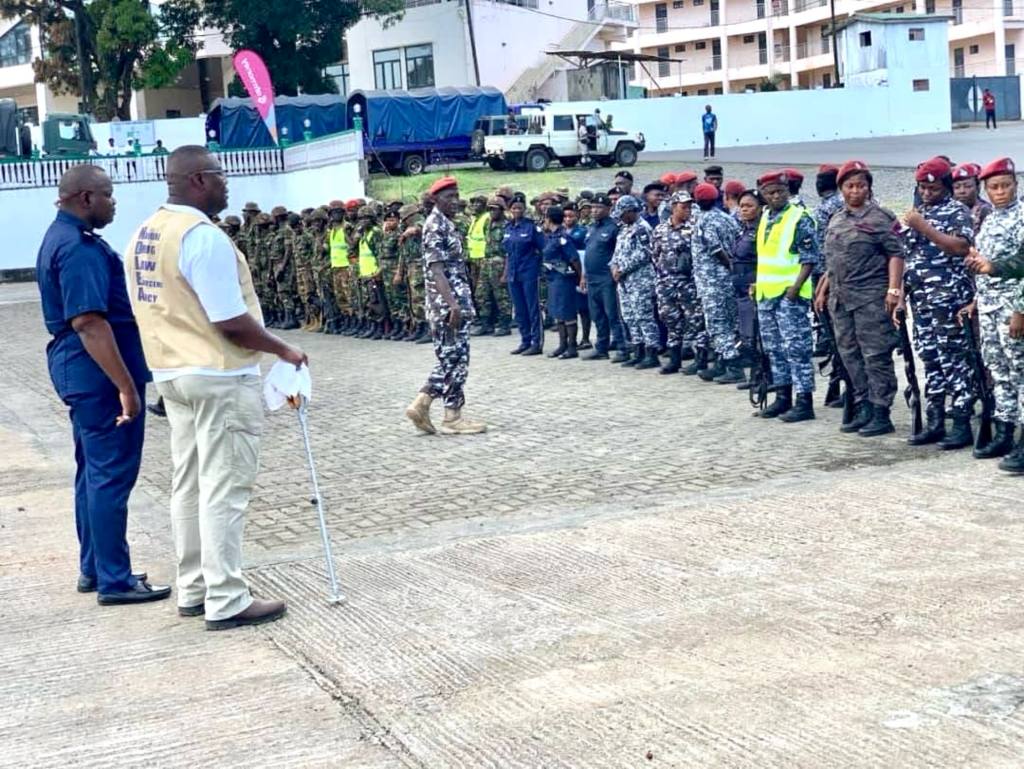
Andrew Jaiah Kaikai, Executive Director of Sierra Leone's National Drug Law Enforcement Agency (NDLEA), addressed police and military personnel last week after President Bio announced a drug crackdown in the country.
The juxtaposition of the president’s stated legislative agenda with images and reports of social ties between a drug trafficker described in international investigations and senior officials has fueled calls for transparent, robust enforcement action. The Leader of the Opposition in Sierra Leone’s Parliament, who also serves as a member of the ECOWAS Parliament, and many citizens are urging the government not only to enact stronger laws, but also to demonstrate that those laws will be enforced impartially, including through investigations, prosecutions, and visible seizure of illicit assets when appropriate.
Government officials have indicated a willingness to move forward with legislative reforms and strengthen enforcement mechanisms. For many Sierra Leoneans, credibility will be measured by concrete outcomes such as transparent investigations, accountability for any officials found to have collaborated with criminal networks, and the recovery of assets linked to alleged trafficking rather than rhetoric alone.
As the legal review progresses, critics say the coming weeks will be critical in determining whether policy changes translate into actions that do not allow for impunity.
