

Gleaner Newspaper's managing editor, Mohamed K. FofanahThe Gleaner Newspaper’s managing editor, Mohamed K. Fofanah, has found himself and his family under siege in a startling turn of events following the emergence of a report claiming that a Dutch drug kingpin with a criminal record is hiding in Sierra Leone. There are grave concerns about Fofanah’s safety and the consequences for press freedom in the region due to the threats that have made him avoid returning to Sierra Leone.
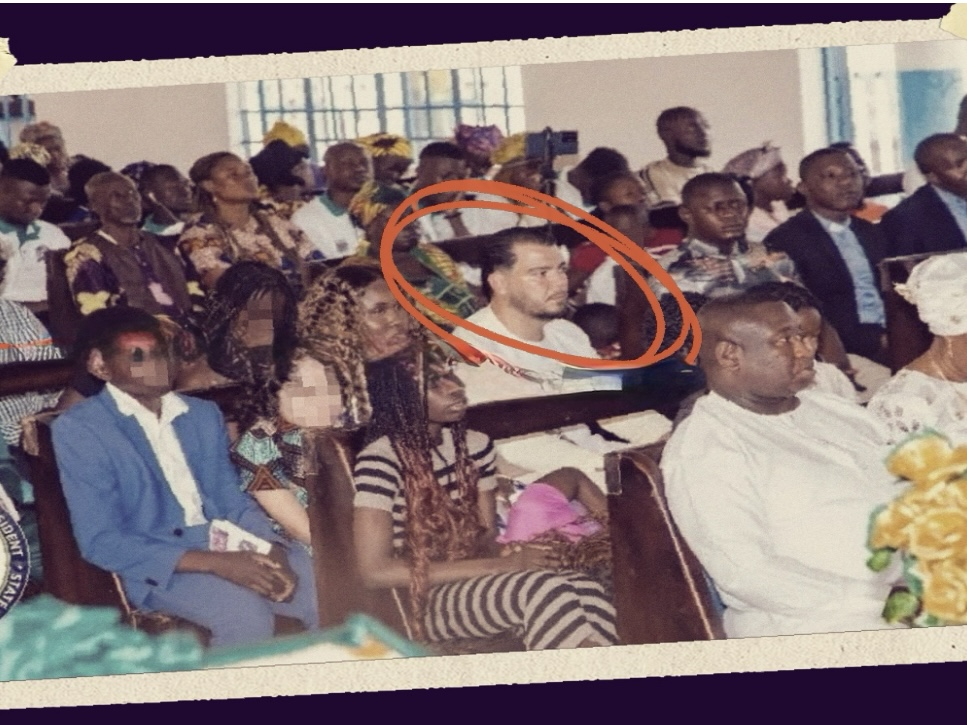
The man at the centre of this controversy, Johannes Leijdekkers, is a notorious drug trafficker who was found guilty of smuggling over seven tonnes of cocaine and given a 24-year prison sentence in absentia by a Rotterdam court. According to unverified reports, he may be receiving protection from certain elements of the Sierra Leonean government, and Dutch authorities have listed him as one of Europe’s most wanted fugitives.
Following the Gleaner’s publication of information about Leijdekkers’ purported presence in Sierra Leone, the threats against Fofanah increased significantly. Fofanah revealed that, especially via WhatsApp, he has received a lot of threatening phone calls from unidentified people. “You have crossed the red line with your publications and you are fast approaching the death zone where we will show you and your family no mercy,” he heard a voice with a European accent and a Sierra Leonean accent say on multiple occasions. Fofanah has been so deeply frightened by these threats that he has extended his stay in America out of concern for his safety.
President Julius Maada Bio and Johannes Leijdekkers were spotted together at a New Year’s Day church service in Tihun, the president’s hometown, on January 1, 2025.
When Fofanah reported that his Freetown home had been vandalized early on Saturday morning and two of his brothers were taken away to an unknown detention center. As the situation took a more concerning turn. Fofanah’s mother, his kid, and his younger sister are also in hiding. He believes the raid on his home was carried out by individuals acting on behalf of Leijdekkers. “At the moment, I am afraid for my life as well as the lives of my wife and children,” Fofanah stated. Owing to persistent death threats from unidentified individuals believed to be employed by the convicted Dutch cocaine kingpin, my immediate family is also in hiding and unable to return to our residence. Numerous employees at the Gleaner newsroom have been instructed to work remotely to evade potential peril stemming from the prevalent trepidation.
Fofanah has expressed misgivings about the local police’s capacity to guarantee his safety, even after reporting the death threats to them. Considering the severity of the threats and the police’s inability to provide adequate safeguarding in such high-risk circumstances, the Sierra Leone Association of Journalists (SLAJ) and the Guild of Newspaper Editors have both counselled Fofanah against a precipitous return to the nation.
For years, law enforcement agencies have been keeping an eye on Leijdekkers, also known as “Bolle Jos” or “Chubby Jos.” He is at the center of investigations throughout Europe due to his alleged involvement in international cocaine trafficking. He is also thought to have something to do with the 2019 disappearance of Naima Jillal, a woman who vanished in Amsterdam. According to intercepted messages, Europol has concluded that Leijdekkers was a major contributor to her disappearance. There was no sign of Jillal for a long time until unsettling images thought to be of her were found on a phone taken during a different investigation, indicating that she was probably tortured and is thought to be dead.
Capturing Leijdekkers is a top priority, according to Dutch authorities, and the fugitive’s return to the Netherlands is of “the highest priority,” according to Dutch prosecutor Wim de Bruin. The urgency of this case is further highlighted by the fact that Europol has offered a reward of 200,000 euros (roughly $208,000) for information that leads to his arrest.
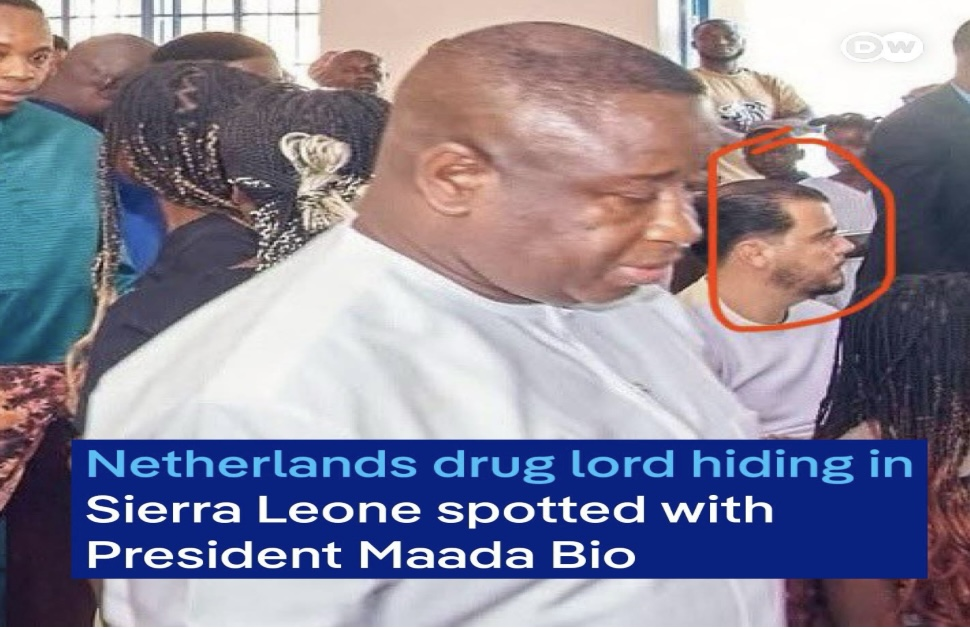
The persistent threats against Fofanah raise important concerns about the protection of press freedom in areas rife with organised crime and corruption, in addition to highlighting the risks faced by reporters who dare to cover influential criminal figures. The international community is closely monitoring the situation and supporting journalist safety and media integrity in Sierra Leone. The dangers that investigative journalism entails, especially when it comes to high-stakes crime and corruption, are starkly illustrated by the fear and intimidation that Fofanah and his family experienced.
