
By Shannon A. L. Scott
Catholic Relief Services (CRS) in partnership with the Directorate of Science, Technology and Innovation (DSTI) has called on government institutions and development partners to adopt data-driven decision-making, enhance digital coordination and increase inter-agency collaboration as important steps for improved public service delivery and fast-tracking national development.
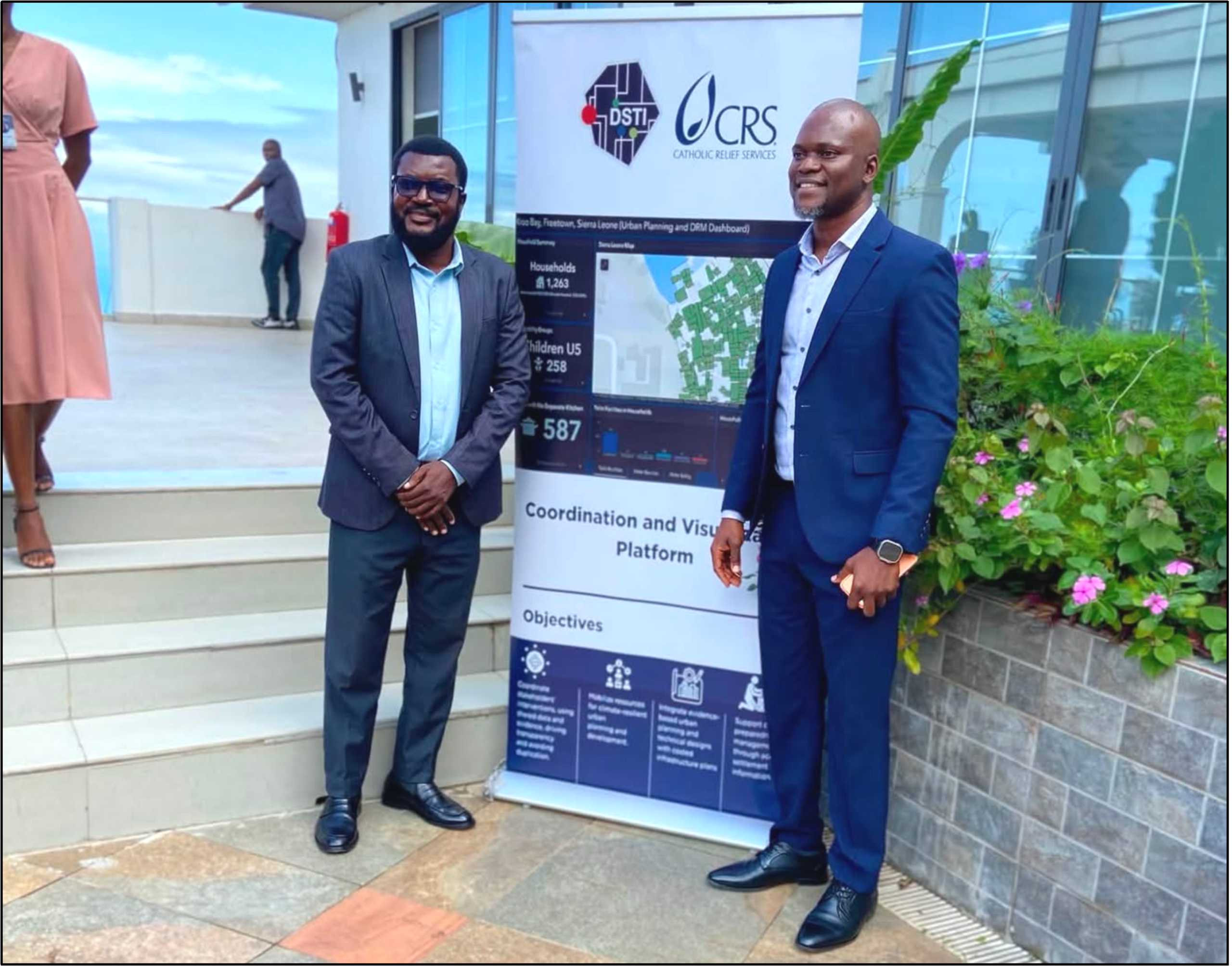
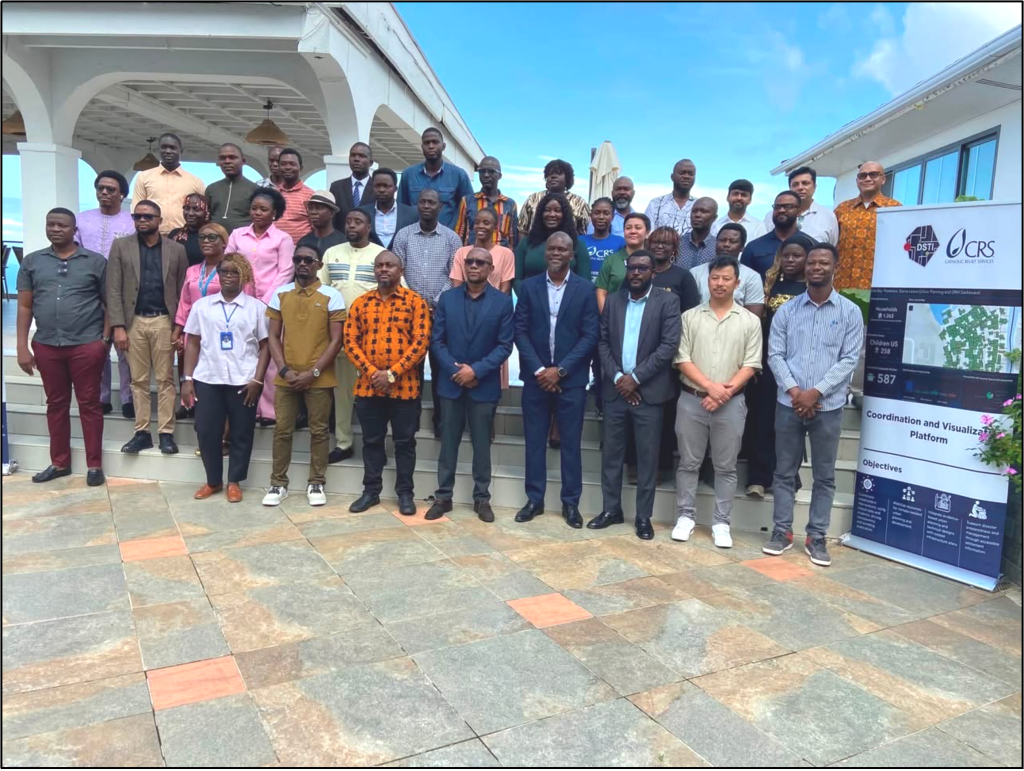
The appeal was made during a training workshop on Coordination and Planning Visualisation Platform organised by DSTI in partnership with CRS. The event took place on Monday 7 July 2026 at Country Lodge in Hill Station, Freetown, bringing together officials from ministries, departments and agencies and representatives of development organisations working across Sierra Leone.
The workshop aimed to build the capacity of participants in data visualisation, planning and institutional coordination, providing public servants and development actors with practical skills to support evidence-based policymaking. The organisers say that by training stakeholders in how to interpret and use visualised data they hope to make it easier for policymakers to identify priorities, monitor progress and allocate scarce resources more efficiently.
The training marked an important milestone in CRS’s more than 60 years of partnership with the Government of Sierra Leone, said CRS Country Director Michael C. Moyo. Development, he said, has always been based on information, noting that communities had their own indigenous knowledge and natural indicators to predict weather and find water long before modern technology arrived.
Digital technology has changed the landscape of development planning, said Moyo, adding that the new platforms have made it easier for governments and organisations to coordinate activities, track progress and improve service delivery. The Coordination and Planning Visualisation Platform will enable development partners to visualise areas where projects are being implemented, he said, and promote transparency, reduce duplication and encourage greater collaboration across sectors. “When we work together, plan together and share our resources, we can scale up service delivery and have more impact with the resources we have,” he said, urging government institutions, donors and non-governmental organisations to embrace the platform and apply lessons learned from the workshop to strengthen planning, monitoring and service delivery – especially for vulnerable communities.
DSTI Chief Operating Officer Jasper Sembe said the initiative is part of the agency’s broad mandate to digitise public systems and generate reliable data that can inform policymaking. One of the biggest barriers to development in Sierra Leone and other developing countries continues to be weak coordination among institutions, often leading to duplicated projects, fragmented interventions and inefficient use of scarce resources, he said.
Sembe also cited international evidence in support of the emphasis on coordination, pointing out that the United Nations Department of Economic and Social Affairs (DESA) Interagency Policy Brief 2024 and the United Nations Sustainable Development Goals Annual Report 2025 highlighted the significance of effective collaboration for the attainment of sustainable development. “The goal of this training is to promote evidence-based decision-making,” Sembe said. “In a resource-constrained environment, if we are to maximise results, every intervention must be informed by reliable data.
Sembe cited the 2019-launched Integrated Geographic Information System (IGIS) as an example of DSTI’s digital innovations. IGIS overlays population data with maps of public facilities and infrastructure, such as schools, roads, streets and ATM locations, to better plan and allocate funds. He also referred to the Education Data Hub, which tracks indicators such as teacher-student ratios, school infrastructure, number of qualified teachers and learning outcomes, and which has supported the implementation of the Free Quality School Education Programme by providing timely and reliable data for planning.
The organisers said the Coordination and Planning Visualisation Platform will complement the existing tools by enabling better situational awareness between stakeholders, making it easier to identify gaps, reduce overlap and coordinate sectoral responses. The platform is supposed to be one common reference point on project locations, timelines and objectives for development partners working across multiple districts and sectors.
The workshop is part of several ongoing initiatives supported by DSTI and CRS to build institutional capacity and foster a more coordinated, technology-based and evidence-based approach to governance and national development throughout Sierra Leone. “We want to promote data use within government and among development actors by training officials and partners in data visualisation and collaborative planning – a change they say is critical to maximising impact in a resource-constrained country with great needs.
Workshop participants left with practical experience of the platform and an expectation that increased adoption will lead to more transparent, efficient and effective public service delivery. DSTI and CRS called on government agencies, donor organisations and NGOs to continue to work together to mainstream data-driven practices in planning and implementation, to ensure interventions reach the communities that need them most.
