
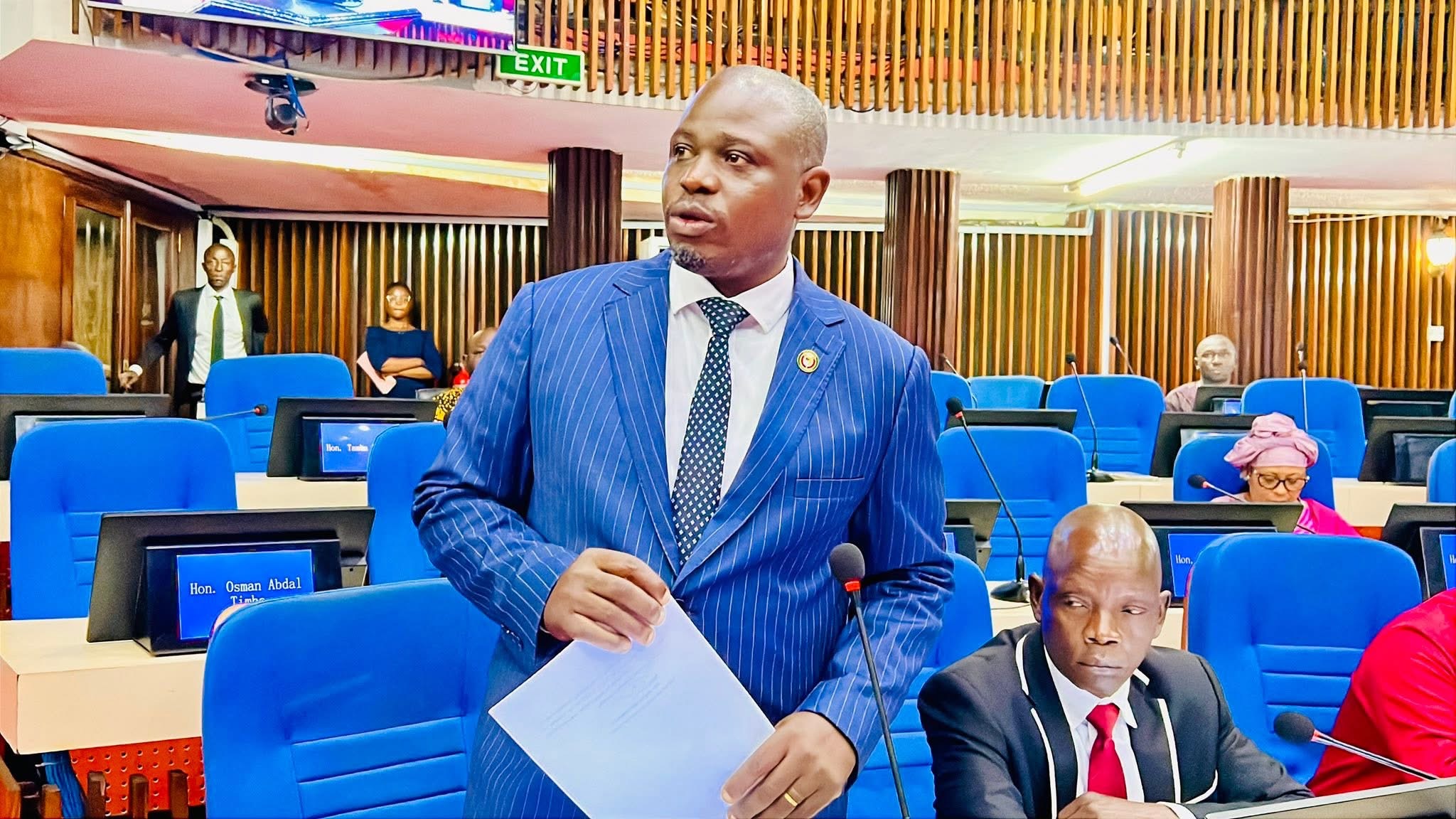
Hon. Abdul Kargbo….Leader of the Opposition (Minority Leader) and chief boycotter.In a healthy democracy, an effective, people-centred opposition is equally important as a responsible government. In Sierra Leone, the ruling Sierra Leone People’s Party (SLPP) and the main opposition appear to have broken the balance. The All People’s Congress (APC) is widely accused of prioritising narrow political goals over citizens’ basic needs.
Since the SLPP took power in 2018, ordinary Sierra Leoneans have faced a deteriorating economy and an ever-increasing cost of living. The rising cost of necessities has become a major source of dissatisfaction. Critics remind voters that Julius Maada Bio, then an opposition leader, made addressing the high cost of living, particularly the price of rice, a key campaign platform.
He promised to ease the burden on families if elected. However, eight years into his presidency, many residents report that the cost of a 50-kilogram bag of rice has quadrupled, demonstrating how little progress has been felt at kitchen tables across the country. President Bio began 2026 by promising “a year of action and delivery.” Many Sierra Leoneans believe that the government’s repeated increases in fuel prices, which occurred twice in the first three months of the year, have undermined that pledge. These increases have a knock-on effect across the economy, raising transportation costs, pushing up market prices, and putting pressure on household finances.
For citizens already struggling to make ends meet, the combination of unfulfilled promises and rising daily costs has caused frustration and disillusionment. Many people are further frustrated by the main opposition party’s stance. The APC staged a high-profile walkout and vocal protest against the appointment of the Chief Electoral Commissioner and Chairman of the Electoral Commission for Sierra Leone (ECSL). That move was both visible and politically charged. However, critics claim that the same party has been conspicuously silent amid sustained public pressure on the government over the grinding cost-of-living crisis affecting millions.
This selective activism has raised serious concerns among Sierra Leoneans: why mobilise and walk out in protest of a political appointment but not apply the same level of public pressure when poverty worsens, and staple prices skyrocket? Many observers believe the APC’s actions indicate a focus on protecting political survival and influence rather than defending the material well-being of the electorate who elected them.
If opposition energy is focused primarily on partisan battles rather than pressing social and economic issues, democratic accountability suffers. Citizens anticipate an opposition that will challenge the government on all fronts, including electoral integrity and the day-to-day concerns that govern life. Until both the ruling party and the opposition prioritise the needs of ordinary Sierra Leoneans, trust in political institutions will erode, and the cost-of-living crisis will remain a pressing national emergency.
