
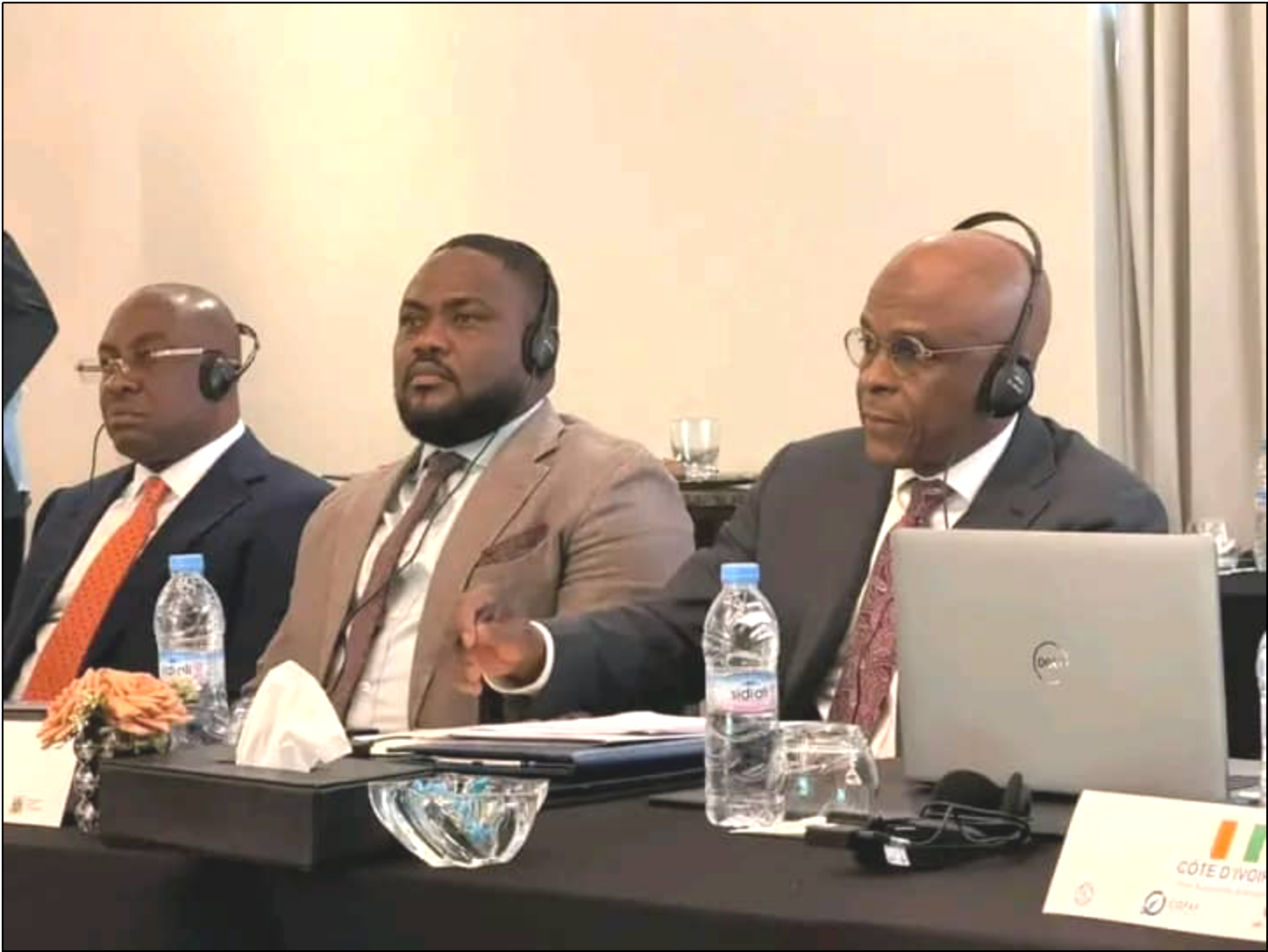
The Director General of the Sierra Leone Ports and Harbours Authority (SLPHA), Yankuba Askia Bio, has urged African ports to work together to modernise operations, deploy artificial intelligence, and protect critical systems from cyberattacks.
Speaking at the Pan-African Association for Port Cooperation conference, COPAF 2026, Bio said ports could no longer depend on manual processes and paper-based systems. He cited recent developments in Freetown as evidence of these changes. The port has been working 24/7 since the beginning of 2026, and the Queen Elizabeth II Quay has been declared free of congestion. SLPHA is also developing a Single Window system which will enable remote clearance by March 2027.
Bio said artificial intelligence could help ports to improve efficiency in a variety of ways, including predicting vessel traffic, speeding up container handling, detecting revenue leakages and tracking cargo. He encouraged port authorities to consider how these technologies could help them work smarter and provide better services.
But he warned that more digitalisation means more responsibility. As ports become increasingly reliant on connected systems, they become more susceptible to cyberattacks. Bio called on African port authorities to invest in security protections for their systems and to share information on emerging threats.
He also called for greater cooperation and knowledge sharing through COPAF, saying ports shouldn’t have to tackle cyber assaults alone. He said collaboration could help authorities bolster their defences and respond more effectively to threats.
Bio’s message aligns with his broader view that digital transformation must be paired with security, data and infrastructure sovereignty, and reliable telecommunications to enable port operations.
