
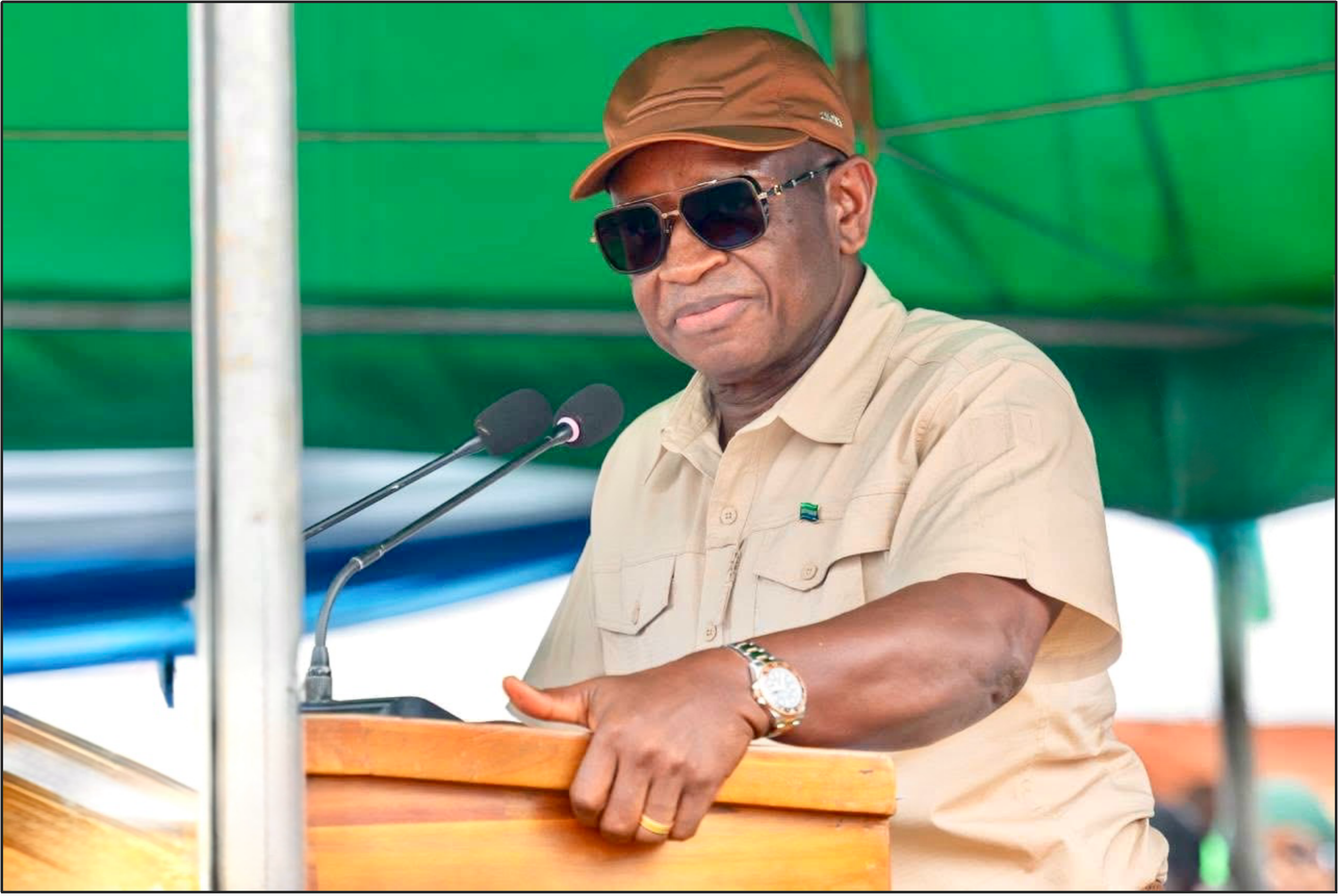
On June 20, 2026, His Excellency President Dr Julius Maada Bio officially inaugurated the Manowa Bridge over the Moa River in Peje Bongre Chiefdom, Kailahun District, marking a significant milestone in Sierra Leone’s ongoing infrastructure development.
The new two-lane bridge, built as part of the World Bank-supported Smallholder Commercialisation and Agribusiness Development Project (SCADeP), replaces a decades-old manual cable ferry and is intended to serve communities on both banks for generations to come.
The completed structure is expected to strengthen links between the Peje Bongre and Upper Bambara chiefdoms, as well as improve access to neighbouring chiefdoms such as Kpeje West, Penguia, and Luawa.
The Manowa Bridge, by providing a reliable surface crossing where travel was previously dependent on ferry availability and seasonal conditions, will reduce travel times and transportation costs, reduce isolation, and increase access to markets, clinics, schools, and government services for residents of Manowa, Pendembu, and surrounding areas.
President Bio spoke at the commissioning ceremony, reflecting on the long-standing challenges that riverine communities face. He recalled how, since independence in 1961, communities on both sides of the Moa River had relied on a manual cable ferry that was subject to seasonal changes and frequent operational disruptions. “For generations, the journey between these communities was not solely defined by distance.
“It was determined by whether the ferry was running, whether rain had fallen, and whether crossing the Moa River was even possible,” he said, emphasising the transformative impact a permanent bridge will have on daily life and economic activity.
Beyond improving safety and reliability, the Manowa Bridge is expected to boost local commerce by lowering transportation costs and shortening market linkages. Farmers, traders, students, and health-care providers will all benefit from more reliable movement of goods and people, allowing for faster deliveries, improved emergency access, and more consistent school attendance. The structure also helps to achieve national goals of decentralised development by connecting rural chiefdoms more directly to district hubs and major cities.
The Manowa Bridge’s inauguration brings President Bio’s total number of bridges completed during his eight-year tenure as a democratically elected president to 23. These bridge projects are a key component of the administration’s infrastructure agenda, which aims to integrate remote communities into the national economy and leave a legacy of improved mobility.
Bridges completed over eight years under President Bio:
23. Manowa Bridge – Kailahun
22. Jewela Bridge, Pujehun
21. Makibie Bridge, Pujehun
20. Gendema Bridge – Kenema
19. Mattru Bridge – Bonthe
18. Lalehun Bridge – Kailahun
17. Mogorvie Bridge – Moyamba
16. Jujioma Bridge – Kailahun
15. Gorma Bridge, Pujehun
14. Moyamaba Bridge – Moyamba
13. Kpangbama Bridge – Moyamba
12. Lohindi Bridge, Bombali.
11. Masau Bridge, Pujehun.
10. Makemu Bridge, Pujehun.
9. Maseniaa Bridge, Pujehun
8. Mapui Bridge, Pujehun
7. Moa Bridge, Pujehun
6. Waanje Bridge, Pujehun
5. Kobolo-Gulama (Formerly Mabang) Bridge, Port Loko
4. PC Adikali Modu II (Formerly Rogbere) Bridge, Port Loko
3. Sewa Bridge – Bo
2. Atlantic-Juba Bridge-Freetown.
1. Sengbe Pieh Bridge – Freetown
The Manowa Bridge inauguration reinforces the government’s commitment to developing resilient transportation infrastructure that connects Sierra Leone’s villages, towns, and major cities while also promoting inclusive socioeconomic development.
