
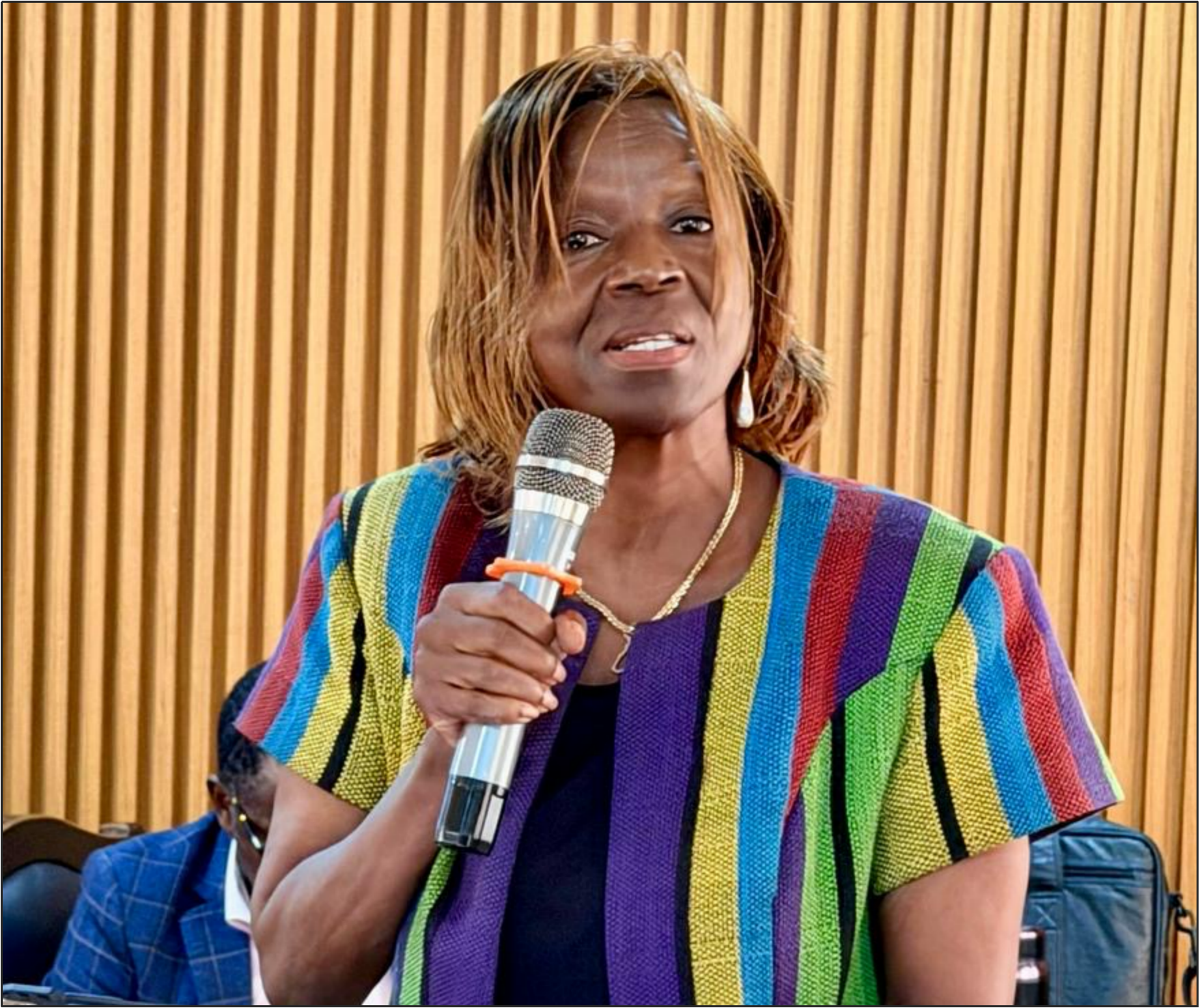
Minister of Planning and Economic Development, Madam Kenyeh Barlay
The National Public Investment Management Guidelines of Sierra Leone were officially validated and launched on Wednesday, June 24, 2026, by the Minister of Planning and Economic Development, Madam Kenyeh Barlay, who described the framework as “the single most important document in the country to guide investments.” Speaking at the Council of Churches Hall, King Harman Road, Freetown, Madam Barlay called on the Ministries Departments and Agencies (MDAs) to adopt and strictly enforce the new operational rules that translate national policy into day-to-day practice.
The Guidelines, developed with the assistance of the World Bank, seek to operationalise the Government’s Public Investment Policy (2024) and the previous Public Investment Manual (2022). While the previous instruments laid down policy principles, institutional roles and procedural requirements throughout the project cycle, the new Guidelines provide practical, step-by-step instructions for officials involved in preparing, appraising, selecting, budgeting, implementing and monitoring public investment projects.
The Guidelines will apply to all public investment projects and programmes undertaken by the Sierra Leone government, regardless of the source of funding, the Minister said. These include projects financed from the national budget, loans and grants, public-private partnerships (PPPs), local governments and state-owned enterprises. The objective is to foster the continued application of best practices across MDAs and local governments, enhance the quality of projects and ensure greater fiscal discipline, accountability and value for money.
Madam Barlay stressed the Guidelines are more than administrative paperwork – they are a key tool for avoiding wasteful spending, improving budgeting and reducing cost overruns. She enjoined MDAs to integrate climate change and gender responsiveness in their project design, make continuous training of staff a requirement and prioritise projects in a way that limits delays and cost increases. The Minister also said that all ongoing projects will be reviewed to ensure they are in line with government priorities and to reduce inefficiencies.
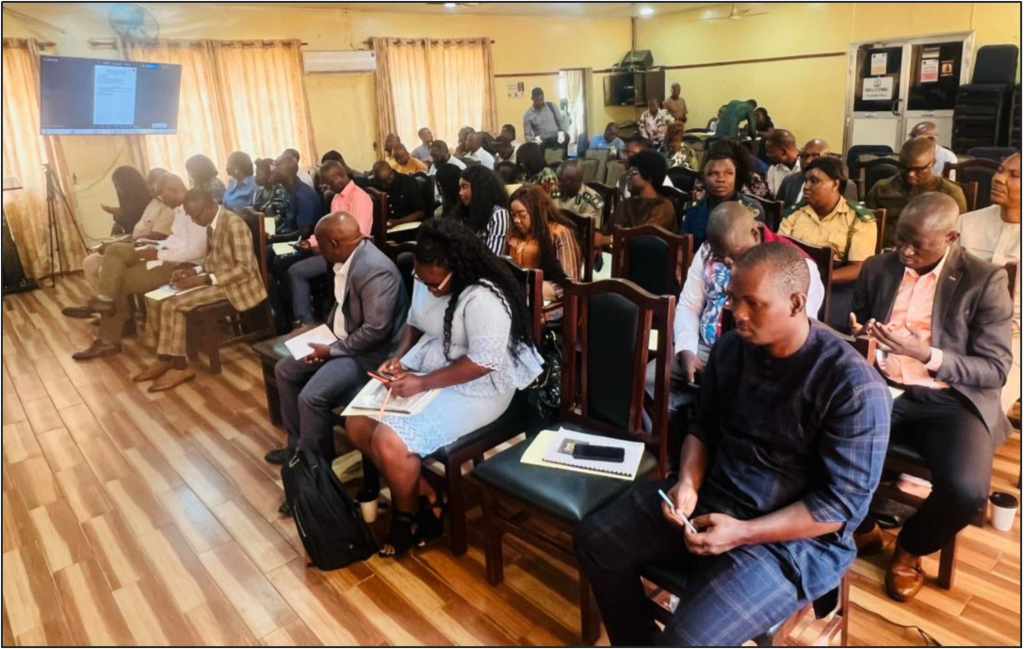
“The government has taken the bold step to strengthen and improve efficiency,” she said, adding that timely financing and tighter project management are critical to ensure public investments achieve expected results without ballooning costs.
Speaking to participants, Mr Ambrose James, Development Secretary at the Ministry of Public Economic Development (MoPED), said the event is an important step towards reforming the management of public investments. He said the Ministry would not accept business-as-usual submissions and that all requests from MDAs will be measured against the consolidated investment portfolio and the new Guidelines. “We make mistakes every year, and we don’t learn from them,” Mr James said. The development portfolio has now got to fit into a coherent framework so that scarce resources are channelled to high-priority, high-quality projects.
Mr James also said that older projects would be investigated and new project proposals would be carefully scrutinised and approved by MoPED and the Ministry of Finance. He asked the attendees to pay close attention to the procedures being implemented to ensure their effectiveness.
Deputy Director of Budget, Ministry of Finance, Idara Mahdi said reforms are being implemented at a critical juncture when public funds need to be spent judiciously. The guidelines “will reduce wasteful spending, improve service delivery and be a useful tool for planning and budgeting”, she said. Ms Mahdi urged stakeholders to integrate climate change considerations with ‘smart’ principles for efficiency and value for money. Budgets are already overstretched and the new framework should be used consistently as a capacity-building tool, not as a one-off exercise, she warned.
She said the Guidelines will help us improve coordination, align investments with government priority areas, build capacity and improve monitoring and evaluation,” urging clear risk identification and greater accountability and transparency across all implementing agencies.
The validation and rollout event involved presentations and discussions to help align MDAs’ projects with the Medium-term National Development Plan (MTNDP). Dr Sheka Bangura presented on Sierra Leone’s MTNDP and the importance of aligning planning, investment and budgeting, while the overall session on the Validation and Implementation of Public Investment Management Guidelines allowed for questions, clarifications and feedback. The event was chaired by the Director of Public Investments at the MoPED, Mr Alpha Bangura.
The Guidelines are intended to be a living document, with training, monitoring and iterative adjustments made as MDAs and local governments take the procedures up in practice, officials say. The Guidelines were developed by the Government of Sierra Leone and its development partners to ensure that public investments deliver long-term development outcomes, reduce waste and provide better value for the country’s limited fiscal resources.
