
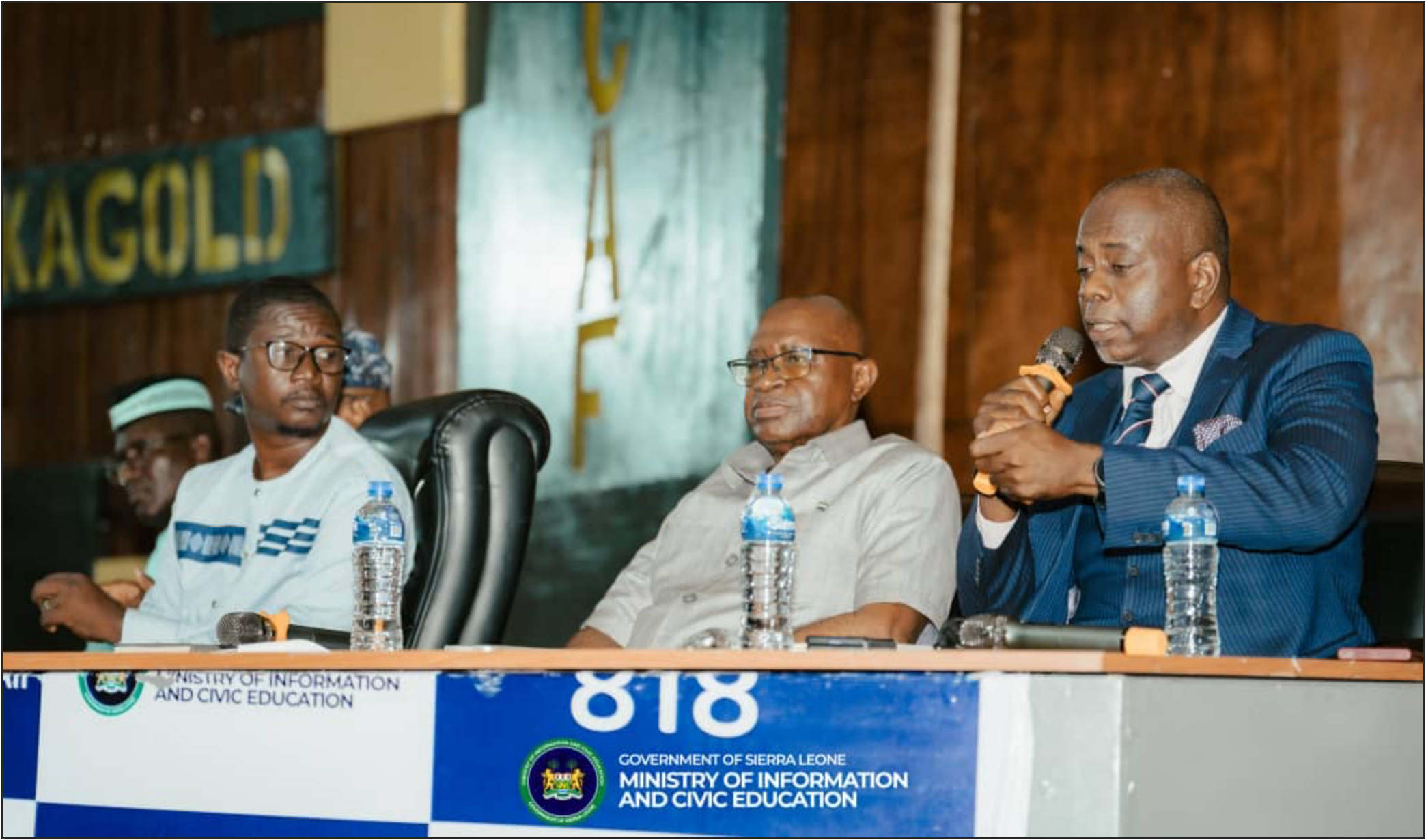
Kweku Melvin Lisk Esq., Deputy Mayor of Freetown City Council (FCC), has urged residents of the capital to adopt responsible sanitation habits as the Council begins full enforcement of the Freetown City Council Solid and Liquid Waste Collection By-Laws 2024. Speaking at the Government Weekly Press Briefing on Tuesday, June 16, 2026, at the Miatta Civic Centre, Mr Lisk emphasised that long-term improvements in the city’s cleanliness and public health necessitate a shift in public attitudes as well as ongoing government investment.
Mr Lisk stated that poor sanitation remains one of Freetown’s most significant challenges, arguing that the problem is primarily caused by irresponsible disposal practices rather than service gaps. While acknowledging that the government and development partners have invested in waste management infrastructure, he cautioned that these investments will not be fully realised unless residents take responsibility for their waste and the environment.
“It is primarily a matter of attitude because, for many years, we have been somewhat complacent and have not paid sufficient attention to how we dispose of our waste, particularly liquid waste,” he stated. The Deputy Mayor emphasised a common mindset among residents who believe that once waste leaves their home or business, it is someone else’s responsibility — a mindset he claims undermines municipal efforts to keep the city clean.
Mr Lisk made a direct link between sanitation and public health, stating that improper waste disposal contributes to environmental degradation, increased flooding, disease outbreaks, and deteriorating living conditions. He identified liquid waste as a growing but often overlooked issue, particularly in hillside communities without adequate sewage and septic systems. In those areas, wastewater is frequently discharged into drainage channels and waterways, causing flooding and polluting the environment, he claims.
The Freetown City Council collaborated with the Ministry of Local Government and Community Affairs to create the Solid and Liquid Waste Collection By-Laws 2024, which strengthen the legal framework for managing solid and liquid waste in the municipality. The new regulations require households to register with an approved waste service provider in charge of safe collection and disposal. Failure to comply is now considered an offence under the by-laws.
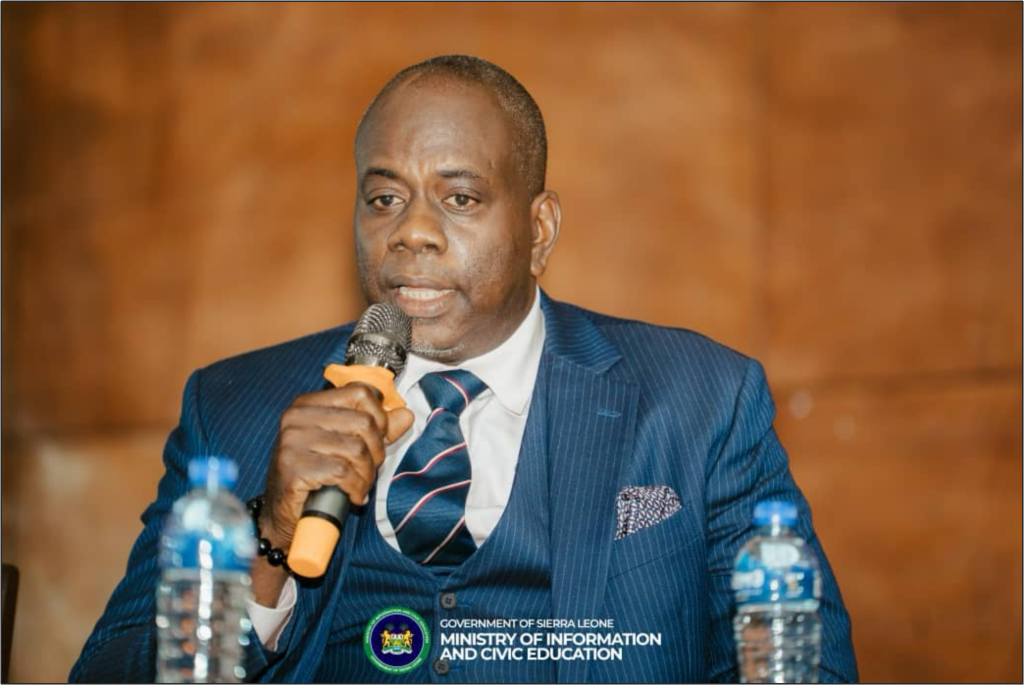
The Council has also divided Freetown into operational zones to improve service delivery and strengthen monitoring and enforcement. Mr Lisk emphasised the importance of better organisation, including designated trading and waste disposal areas, in keeping markets and other public spaces orderly. “Every activity should be organised and well-structured. “There must be designated areas for everything, including trading and waste disposal,” he stated.
Proper waste segregation is another priority under the new regulations, with a focus on hazardous and medical waste. Mr Lisk warned that people who search dumpsites for recyclable materials frequently expose themselves to serious health risks by coming into contact with contaminated waste. His remarks emphasised the human cost of poor waste management practices and the need for safer, more regulated systems.
Several government agencies will help enforce the by-laws. The Freetown City Council has collaborated with the Ministry of Internal Affairs, the Sierra Leone Police, and the Ministry of Local Government to ensure compliance. While Mr Lisk acknowledged that some communities continue to struggle with access to sanitation facilities, he emphasised the importance of personal responsibility. “Nobody can brush your teeth for you, and no one can keep your surroundings clean for you,” he said. “The waste we see around us is caused by our own actions.”
The Council hopes that by making indiscriminate dumping a punishable offence and requiring households to use approved service providers, it will reduce pollution, limit the health risks associated with unmanaged waste, and mitigate the flooding that often occurs after heavy rainfall. The operational zoning is intended to improve collection efficiency and monitoring effectiveness, while the legal framework provides authorities with clearer powers to prosecute violators.
Mr Lisk concluded by encouraging residents to embrace civic responsibility and make positive behavioural changes. He warned that no matter how much money is spent on sanitation and environmental management, the desired results will not be realised unless the public cooperates. “Unless attitudes change, no matter how much money we invest in sanitation and environmental management, our efforts will fail,” he said.
The Freetown City Council aims to implement and enforce the Solid and Liquid Waste Collection By-Laws 2024. The success of the initiative depends on both enforcement mechanisms and citizens’ willingness to change long-standing disposal habits. The Council’s bid to restore cleanliness, protect public health, and improve living conditions in Sierra Leone’s capital is characterised by a combination of legal measures, zoned service delivery, and calls for behavioural change.
