
A high-level World Bank delegation visited Sierra Leone’s new flagship solar installation in Newton, praising rapid construction progress and reiterating international support for the country’s transition to cleaner, more reliable power.
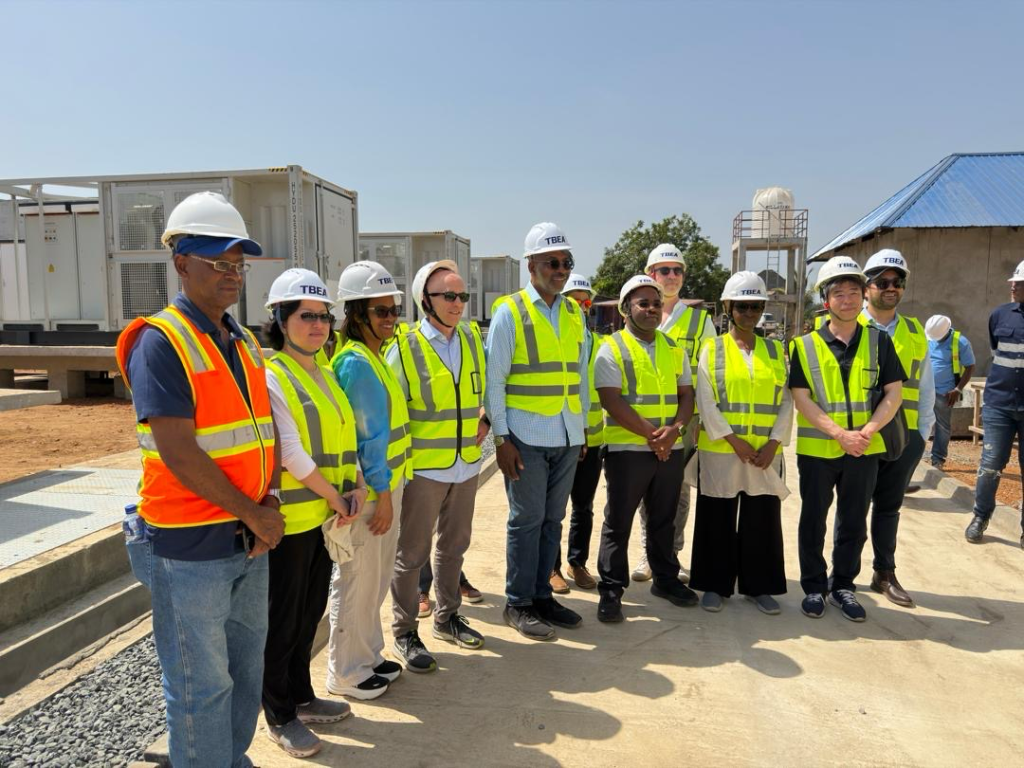
Twelve Executive Directors went to the Regional Emergency Solar Power Intervention Project (RESPITE), a 30-megawatt solar photovoltaic facility with 12 battery storage units designed to stabilise the national grid and reduce reliance on costly emergency thermal generation. The delegation was led by Abdu Muwonge, World Bank Country Director for Sierra Leone, and welcomed by Minister of Energy Cyril Grant and Deputy Minister II Abdrahman Jalloh.
The Newton plant was producing between 27 and 30 MW under clear skies during the visit, nearly at its 30 MW design capacity, highlighting the pace of commissioning activities. The battery storage units are designed to manage solar intermittency, smooth output, and provide ancillary services that enhance overall system reliability for consumers across the country.
“RESPITE represents a watershed moment for Sierra Leone’s energy sector,” Minister Cyril Grant stated during the visit. “This project exemplifies what strong collaboration and government support can achieve. When fully operational, it will provide clean, affordable power to homes and businesses, reducing reliance on expensive emergency generation and promoting industrial growth.”
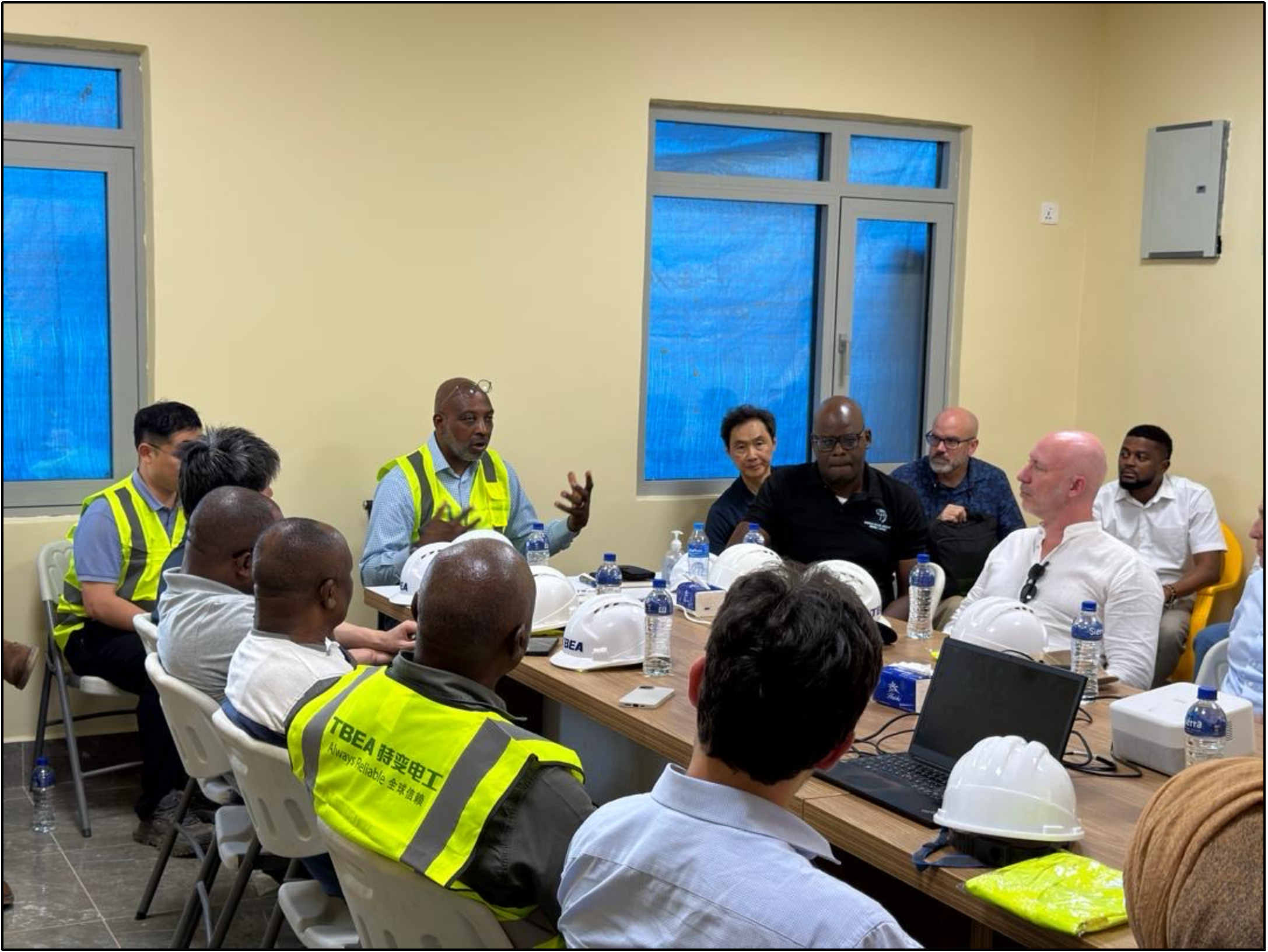
Deputy Minister Jalloh kicked off the program, introducing the project team and outlining key implementation milestones. The Owner’s Engineer’s Project Coordinator, Edward Kaweshe, provided a detailed presentation on construction progress, system integration, and operational readiness. Following briefings, delegates toured the solar arrays, inspected battery units and control systems, and had technical discussions with the engineers and technicians in charge of commissioning.
“We are impressed by Newton’s speed and quality of work,” World Bank Country Director Abdu Muwonge stated. “RESPITE is an important investment for Sierra Leone’s energy future. The World Bank continues to support the government’s vision of dependable, sustainable electricity that drives development and improves people’s lives.
RESPITE, funded by the World Bank, is part of a larger effort to rapidly increase renewable energy capacity, stabilise supply, and reduce generation costs. Sierra Leone has historically relied on expensive emergency thermal power to meet shortfalls, which the project aims to change by providing a lower-cost, cleaner energy source combined with grid stability storage.
Representatives from the Ministry of Energy, the Electricity Distribution and Supply Authority (EDSA), the Electricity Generation and Transmission Company (EGTC), and the project Owner’s Engineer attended the visit and discussions. The World Bank delegation praised the implementation progress and reiterated its continued support for the Government’s energy sector reforms.
The Newton project is consistent with Sierra Leone’s Feed Salone agenda and broader national priorities for increasing access to electricity, attracting investment, and promoting industrial growth. Authorities anticipate that RESPITE will help to make power more affordable and sustainable for households and businesses across the country by improving supply reliability and reducing reliance on emergency generation.
