
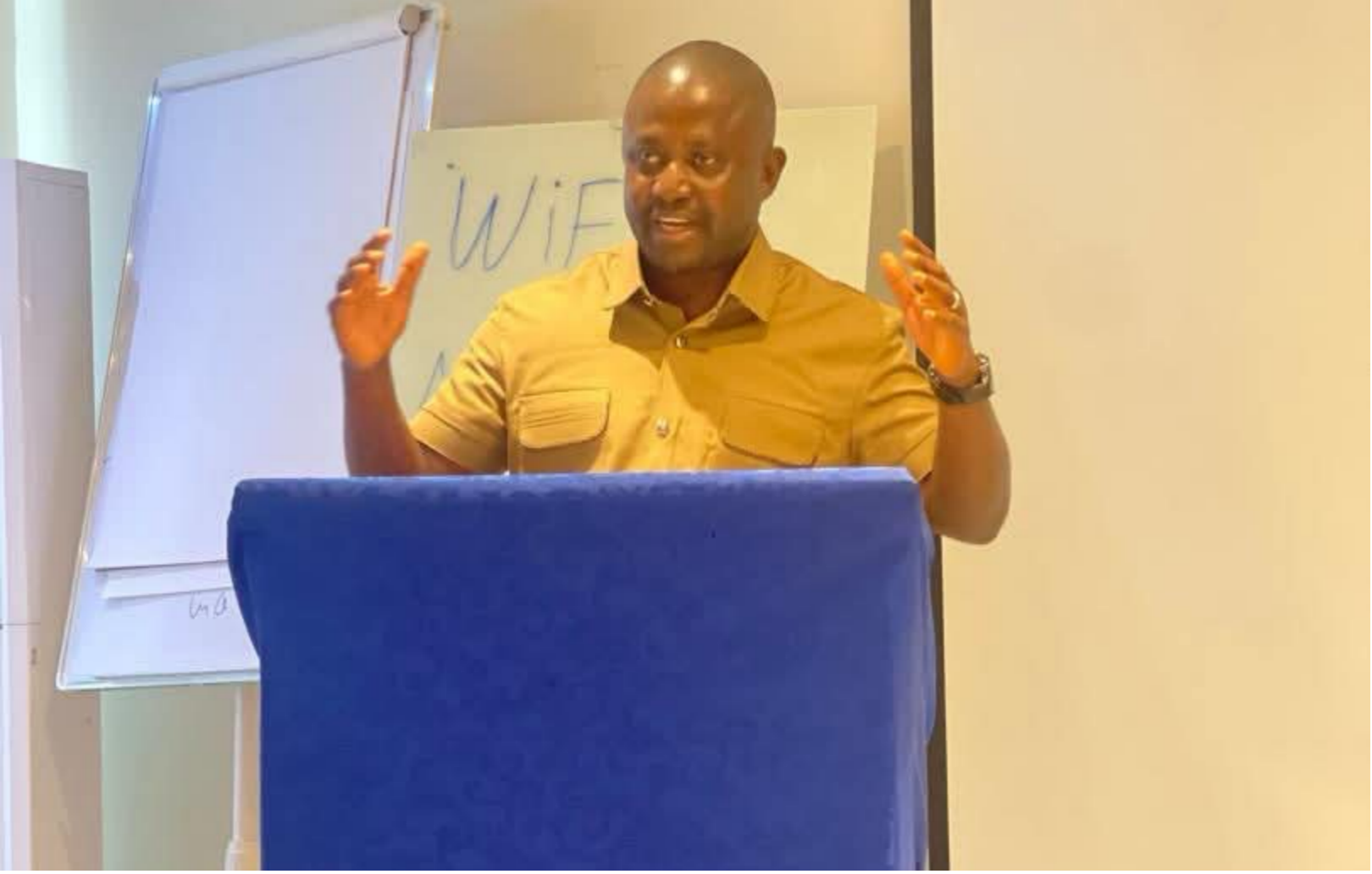
Freetown, Thursday, March, 2026 — The Attorney General and Minister of Justice, Alpha Sesay, today convened a high-level medico-legal engagement that brought together medical practitioners, prosecutors, and investigators to improve Sierra Leone’s coordinated response to sexual and gender-based violence (SGBV). The meeting aimed to close gaps between the health and justice sectors and ensure that clinical evidence is used effectively in investigations and prosecutions.
The forum provided a structured space for discussion of the practical challenges that frontline clinicians and legal actors face. Participants investigated how to standardise medical notes, injury documentation, evidence collection, and chain-of-custody procedures so that reports generated at health facilities are clear, admissible, and useful in criminal proceedings. The discussion emphasised that when forensic infrastructure is limited, the quality of clinician assessments and written reports becomes critical to securing justice.
Attorney General Sesay emphasised the importance of a comprehensive national response that includes health, justice, and social protection services. He acknowledged the high level of responsibility placed on medical professionals in the current context, noting that in the absence of extensive laboratory-based forensics, their clinical findings frequently serve as the foundation of prosecution cases. As a result, he advocated for greater collaboration, shared protocols, and ongoing sectoral capacity development.
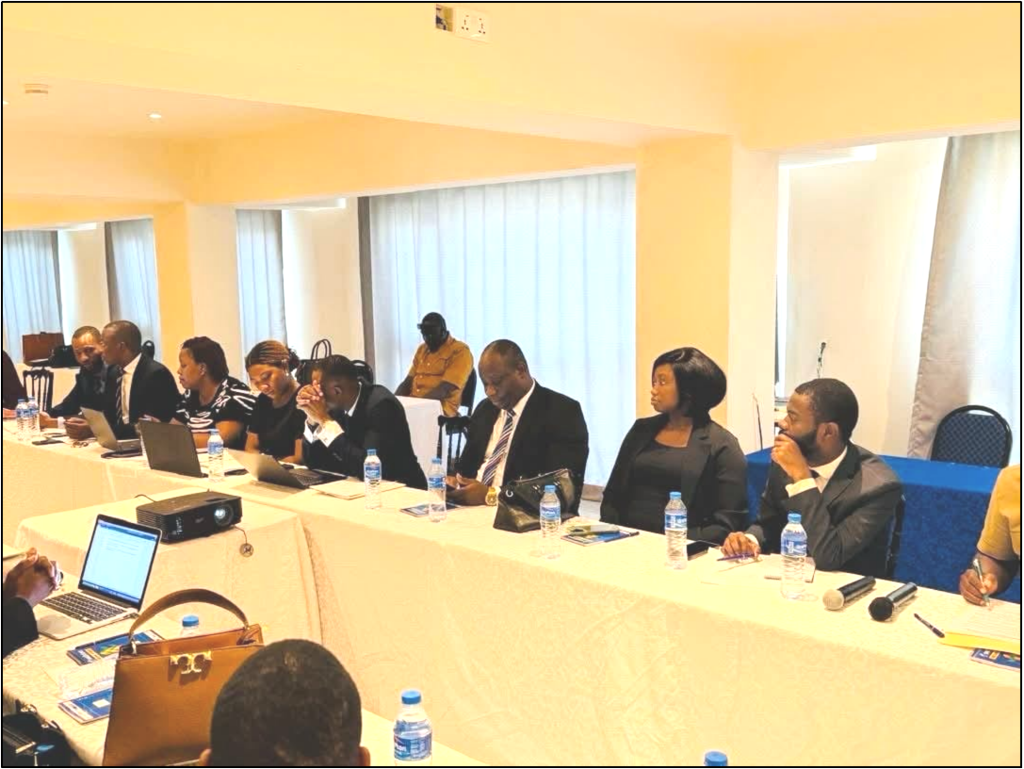
Clinicians described the difficulties they face—workload pressures, inconsistent documentation formats, and uncertainty about legal evidentiary requirements—while prosecutors and investigators described the evidentiary gaps that jeopardise case outcomes. They identified practical steps to improve the medico-legal interface, such as standardised reporting templates, evidence preservation and testimony training, clearer referral pathways for survivors, and mechanisms to ensure hospitals and law enforcement communicate on time.
The Attorney General reaffirmed the government’s commitment to ongoing engagement and investment in measures that improve evidence-based prosecution and survivor protection. He described the meeting as one component of a larger national effort to strengthen institutional coordination and build capacity that adheres to both clinical ethics and legal standards.
Participants concluded by renewing their commitment to strengthening intersectoral collaboration, developing agreed-upon protocols, and pursuing joint training initiatives. They agreed that stronger partnerships between medical and legal professionals, supported by clear procedures, are critical for Sierra Leone’s effective, survivor-centred national response to sexual and gender-based violence.
