
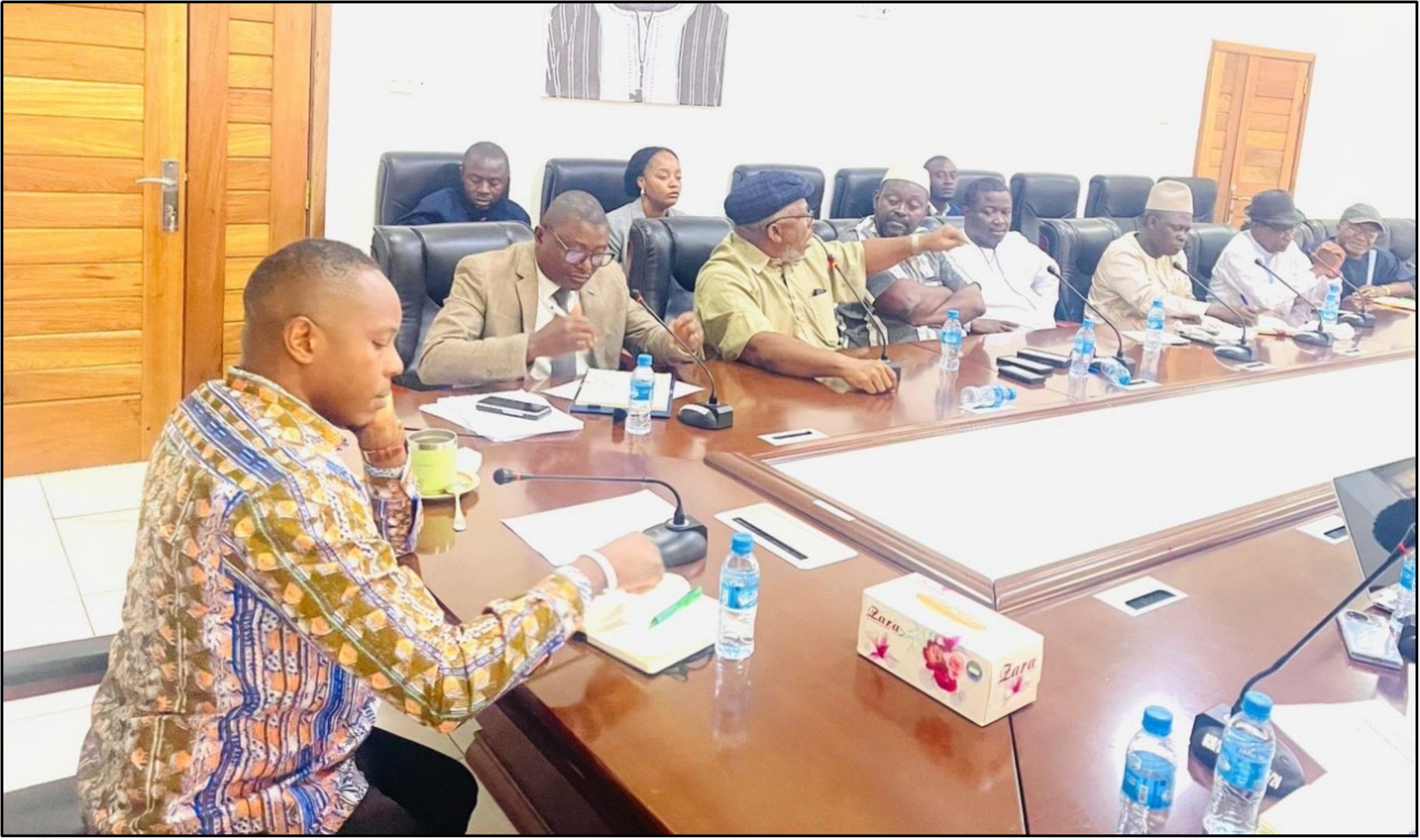
Chief Minister Dr David Moinina Sengeh convened a targeted stakeholder meeting to discuss a variety of issues affecting chieftaincy governance and local administration, such as chiefdom de-amalgamation, extended regency periods, outstanding court disputes, redistricting, and capacity building for local governments. Dr Sengeh emphasised in his opening remarks that chieftaincy and local governance issues are frequently discussed at the National Security Council and in presidential briefings, highlighting their strategic importance to national stability.
He acknowledged that recent efforts to de-amalgamate chiefdoms have exacerbated tensions in some areas, particularly over land ownership, boundary delineation, and relations between neighbouring paramount chiefs. Dr Sengeh reminded participants of chiefs’ traditional custodial responsibilities over land, culture, and community welfare, urging that contested matters be resolved through constructive dialogue and recommending clearer procedures for managing long-term regent chieftaincy arrangements and chieftaincy-related litigation.
- C. Fasuluku Sonsiamas III, Chairman of the Council of Paramount Chiefs, welcomed the engagement and emphasised the Council’s willingness to collaborate with government institutions to strengthen traditional governance and resolve chieftaincy disputes peacefully.
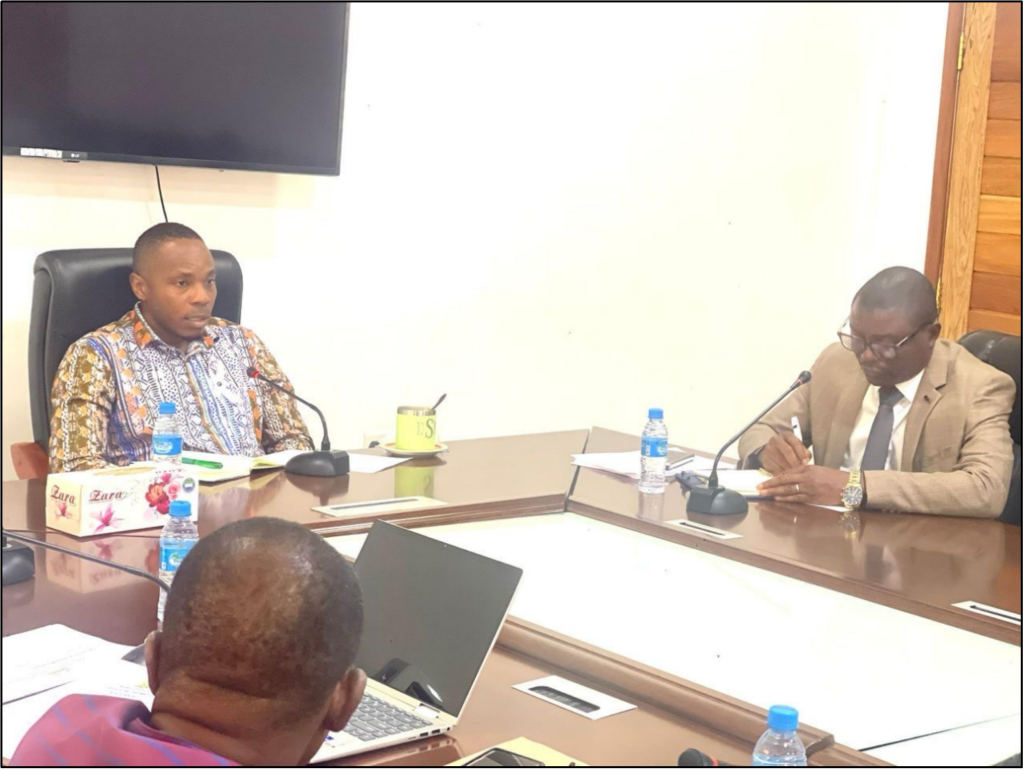
Brima Newman Combey, Director of Local Government, gave a detailed presentation on the government’s redistricting exercise, describing it as a key component of the overall decentralisation and governance reform agenda. He stated that the Cabinet has approved the redrawing of district and chiefdom boundaries, the formation of new localities in the Western Area, the continuation of the chiefdom de-amalgamation process, and a nationwide consultative programme to inform a comprehensive Redistricting Report.
Among the practical outcomes announced were the formation of five local councils in the Western Area, as well as the establishment of two new districts—Kpanguima and Bandajuma—to expand governance reach, improving service delivery, increasing representation, and coordinating development in historically underserved communities.
Participants agreed that the meeting reinforces peace, strengthens customary institutions, and promotes effective decentralisation. The measures are consistent with the government’s Big Five Game Changers, bringing governance closer to citizens and improving nationwide service delivery.
