
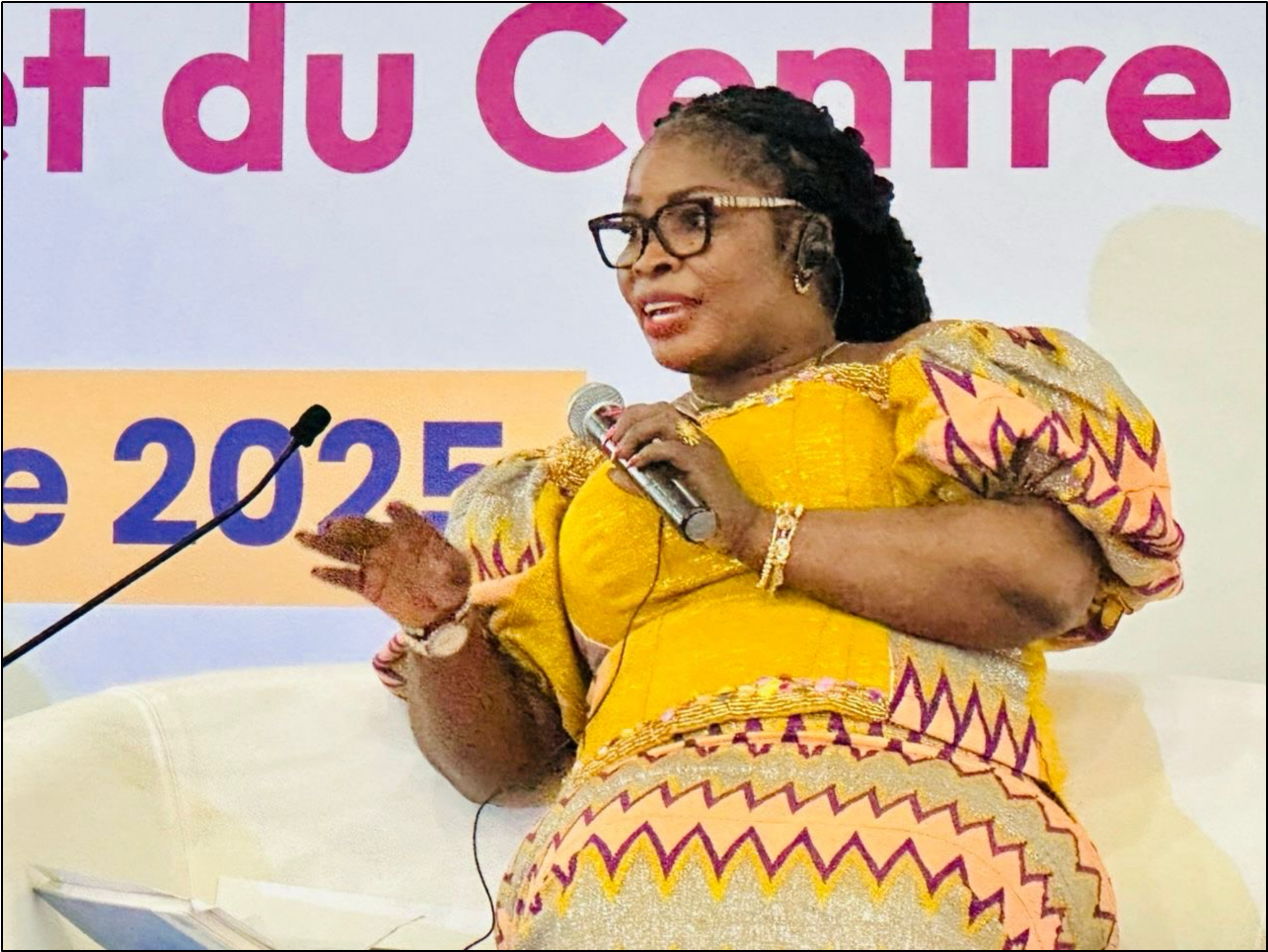
Sierra Leone’s Minister of Gender and Children’s Affairs, Dr Isata Mahoi, told delegates attending the West and Central Africa Regional Adolescent Girls Summit in Dakar that President Julius Maada Bio has made clean cooking a national priority. During a panel titled “Exploring How Innovation, Policy, and Partnership Can Scale Access to Clean Cooking Solutions,” Dr Mahoi identified clean cooking as a multifaceted issue that includes gender equality, public health, and child protection, in addition to energy. Hoi identified clean cooking as a multi-faceted issue affecting gender equality, public health, and child protection, in addition to energy. The summit, co-organised by Adolescent Girls in partnership with the Government of Senegal and the UNICEF Regional Office for West and Central Africa, took place in Dakar from October 10 to 11, 2025. It coincided with the International Day of the Girl, which is observed annually on October 11.
Dr Mahoi stated that the need to increase access to clean cooking in Sierra Leone stems from “the daily realities of women and children.” She emphasised that the issue is “not merely an energy issue, but a gender equality imperative, a public health concern, and a child protection priority.” That political commitment, the minister added, is reflected in national strategy and institutional arrangements, including the Sierra Leone National Clean Cooking Strategy 2025-2035 and the recently established Clean Cooking Unit at the President’s Office.
Beyond these institutional measures, the minister emphasised integration throughout Sierra Leone’s gender architecture. Clean cooking initiatives are now incorporated into the Gender Equality and Women’s Empowerment (GEWE) Policy 2020, which advocates for systemic reforms to reduce gendered burdens and promote inclusive development. Dr Mahoi explained that the government’s approach combines policy integration with practical support: providing women with tools, training, and access to finance so that they can drive clean cooking innovation at the community level.
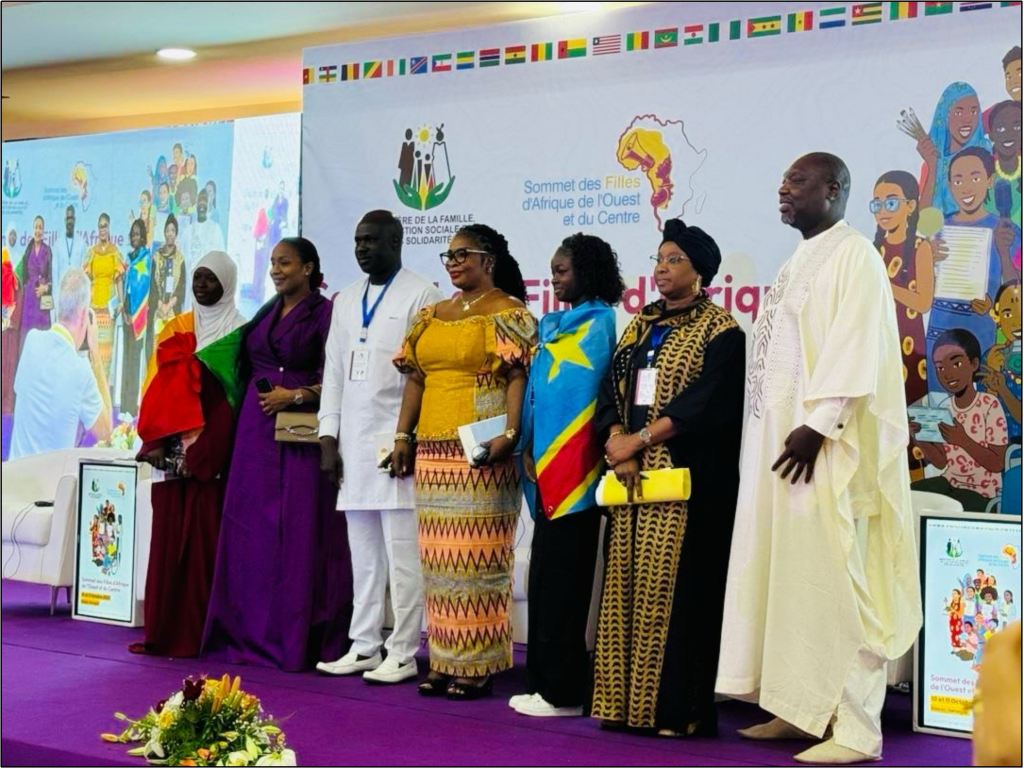
She emphasised the importance of policy mainstreaming for ensuring accountability across sectors. Sierra Leone intends to create mechanisms that hold multiple sectors accountable for progress by incorporating clean cooking into national gender and protection frameworks. A key goal is to eliminate household air pollution, which the minister stated has a disproportionate impact on children’s health and development.
Dr Mahoi described ongoing partnerships with innovators, donors, and grassroots organisations to ensure that clean cooking solutions are cost-effective, scalable, and culturally relevant. Partnerships are crucial for achieving community-level goals such as reducing women’s work burdens, protecting children from household pollution, and creating livelihood opportunities.
The regional summit aimed to raise the voices of an estimated 74 million adolescent girls in West and Central Africa—roughly 11% of the world’s adolescent population—and to catalyse collective action to advance their rights. The organisers positioned the event as a strategic platform to reinforce commitments and accelerate progress toward girls’ protection, empowerment, and full participation in society, in accordance with the Beijing+30 Platform for Action.
