
The concession and related stakeholder documentation for the reconstruction of the 85-kilometre Mano Junction–Tongo–Bumpeh road were approved by the Sierra Leonean Parliament on Wednesday, along with several amendments intended to safeguard the interests of the State and road users.
The following agreements were presented to the House last Monday: (1) a concession agreement dated August 4, 2025, between the Sierra Leone Roads Authority (SLRA) and the Ministry of Works and Public Assets (MoWPA) on behalf of the Government of Sierra Leone, and Societe Djura Maritel Construction (SDMCO) Ltd and partners for the design, reconstruction, tolling, operation, and maintenance of the Mano Junction–Tongo–Bumpeh road under a Design, Finance, Build, Operate, and Transfer (DFBOT) arrangement; and (2) a stakeholder engagement report prepared by the SLRA’s safeguard specialist, also dated August 4, 2025, detailing the project’s proposed PPP financing and engagement activities.
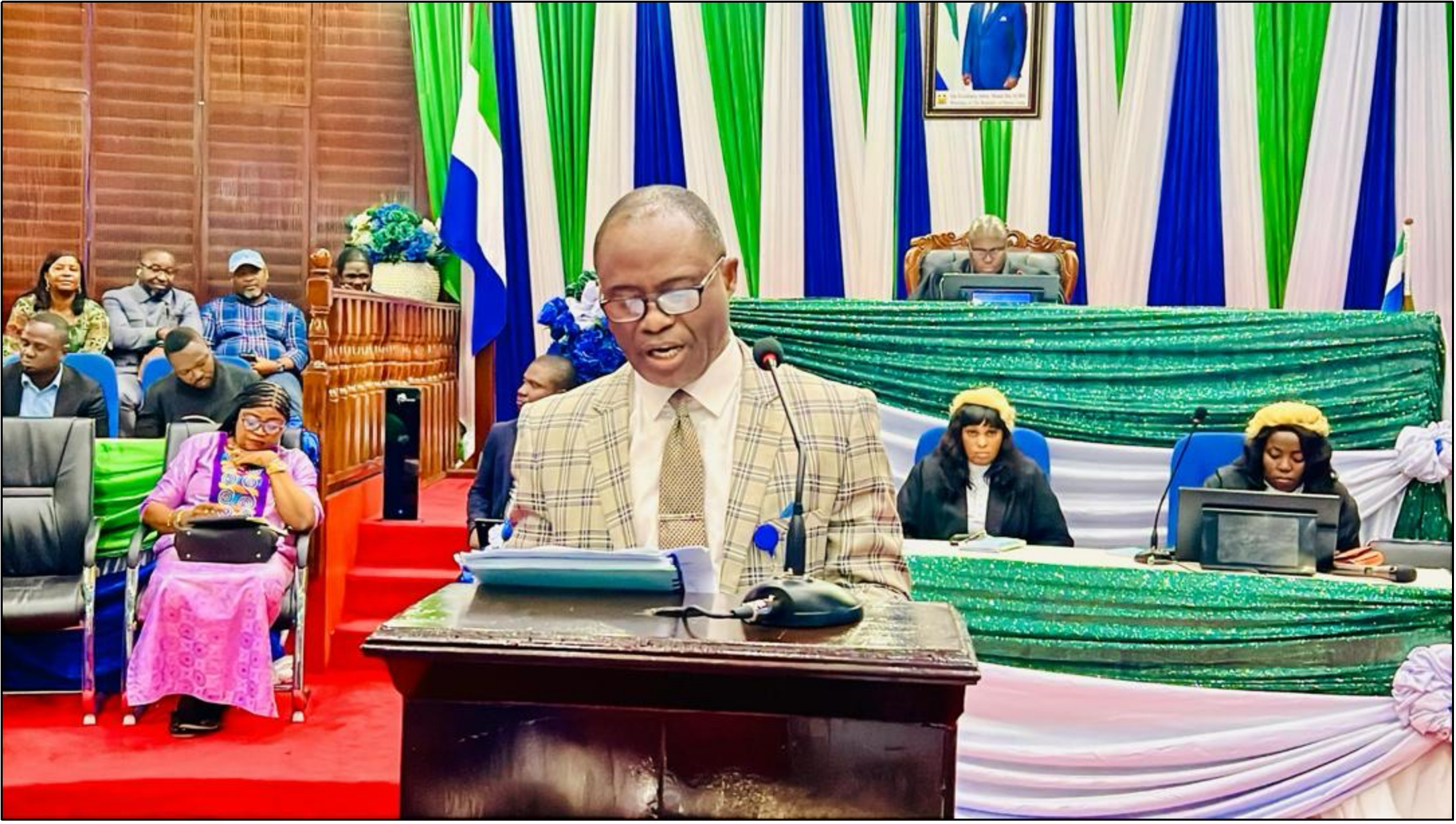
Dr. Denis Sandi, Minister of Works and Public Assets, presented the package and said the agreements marked a major turning point in the government’s efforts to upgrade and expand Sierra Leone’s road system. He framed the project as a component of a larger national transformation agenda, saying, “This is an 85-kilometre project that will enhance the growth and development of the country.”
Lawmakers from a variety of political backgrounds contributed to the floor discussion. Hon. Aaron Koroma, Deputy Leader of the Opposition 2, compared the new agreements to the Wellington–Masiaka toll road, which he claimed has decreased accidents and increased road safety. However, Koroma cautioned that prior experiences should lead to careful examination. He voiced concern over reports that the government might not receive a fair share of returns even though it contributed significant resources to the project. He urged a comprehensive review to lessen the financial burden on residents, saying, “It will be costly for the people to have four tollgates in what are largely rural communities.”
Earlier in the process, several MPs called for increased parliamentary participation. The agreements ought to have been subjected to more thorough parliamentary review before being tabled, according to Ing. Habib Fabbah, MP for Bo District and Deputy Chairman of the Committee on Works. “We must give these documents our full attention,” he stated. Zainab Bombali’s Deputy Opposition Whip 1 Catherine Tarawallie also urged the Legislative Committee to be involved in future agreement preparation and urged reducing the number of proposed tollgates while pointing out the advantages of toll roads for development.
Local priorities and procedural issues were reflected in other contributions. The MoWPA and SLRA were commended for their efforts on the agreements by Hon. Joseph Williams Lamin (Bo), who also urged all institutions to act in the best interests of the country. MPs should be consulted on projects that impact their districts, according to Hon. Musa Fofanah (Kono). To prevent undue hardship for rural communities, Rugiatu Tarawallie Mussaffa (Kenema) requested that the number of tollgates be reduced, suggesting at least two. Hon. Lolo Tongi (Kailahun), who pointed out a widespread culture of poor maintenance that has left older infrastructure in poor condition, issued a warning against making the same mistakes twice. Concerning the procurement process, Hon. Alice Kornya Sandy (Kenema) requested that the Minister make sure the agreements are carried out correctly.
Government Business 2 Deputy Majority Leader Hon. Saa Emerson Lamina commended the President’s infrastructure initiative and presented the project as fulfilling campaign pledges. The concession is anticipated to last 30 years, according to Acting Majority Leader Hon. Bashiru Silikie, who also highlighted the importance of parliamentary oversight and corporate social responsibility for ensuring compliance. He said the financial terms negotiated were more favourable than those for Wellington-Masiaka.
Acting Leader of the Opposition Hon. Daniel Koroma argued that certain procedures had been broken in bringing the agreements before Parliament, raising constitutional and procedural concerns. He made the case that, although the agreements do not have to be revoked, they can and ought to be changed by referencing section 170(7) of the 1991 Constitution. Koroma also criticised the use of US dollars for transactions and toll payments in Sierra Leone and called for clarity on contract duration clauses.
Several corrections and amendments were approved by Parliament after the discussion. Changes to the implementation timeline, the government’s confirmed 20% equity stake in the project, the provision that the State will receive 25% of gross revenue, the requirement that at least 15 kilometers of road be built before toll collection begins, and the decision to denominate and collect tolls in Leones instead of US dollars are some of the notable changes.
In closing, the Speaker called on Parliament to scrutinise future agreements “clause by clause” to protect the interests of the country. Now that ratification is complete, the Mano Junction–Tongo–Bumpeh road will proceed to the implementation phase under the modified concession framework, which will be continuously monitored by the appropriate agencies and Parliament.
