
By Zainab Sunkary Koroma
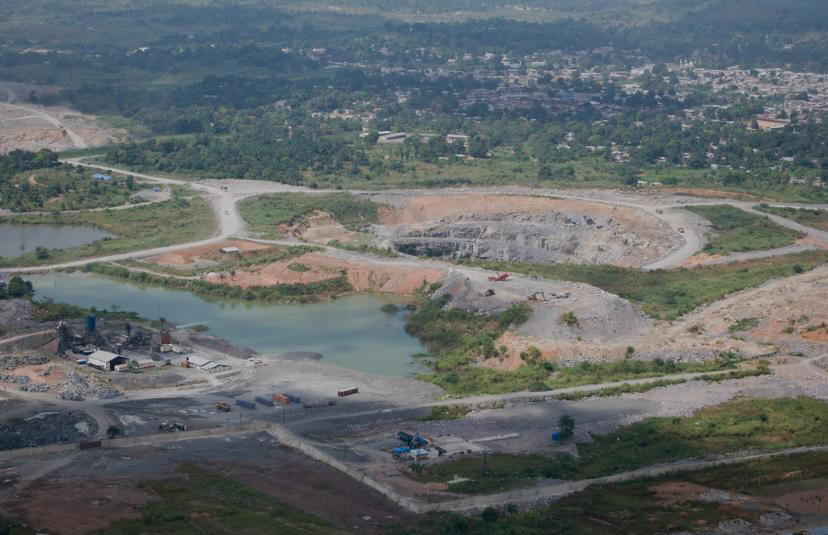
For decades, Koidu Holdings Limited was a pillar of Sierra Leone’s diamond industry, creating jobs in Kono District after the war. But, beneath the gleam of diamonds and the promise of steady employment, many employees claim the company’s operations were plagued by chronic neglect, unsafe conditions, and repeated contractual breaches. These long-standing grievances erupted into a crisis in June 2024, when nearly 1,000 Sierra Leonean employees — many with ten, fifteen, or twenty-one years of service — were fired without prior notice, severance pay, or access to mandated benefits. The consequences have reverberated throughout communities that rely on mine wages, leaving widows, disabled ex-workers, and bereaved families in their wake.
Workers and their union had been voicing urgent concerns for years. The complaints ranged from trivial to life-threatening: poor enforcement of shift terms, salaries not paid at agreed-upon exchange rates, routinely excessive hours, a lack of proper toilet facilities, and no reliable access to safe drinking water. There were also numerous reports of insufficient safety protocols, undocumented workplace accidents, and inadequate medical care for injured employees. Despite repeated interventions from the Koidu United Mines Workers Union, the government, and civil society, there has been little progress. Instead, workers describe a pattern of indifference that culminated in mass dismissals and the removal of heavy machinery when the company allegedly suspended operations under the guise of “care and maintenance.”
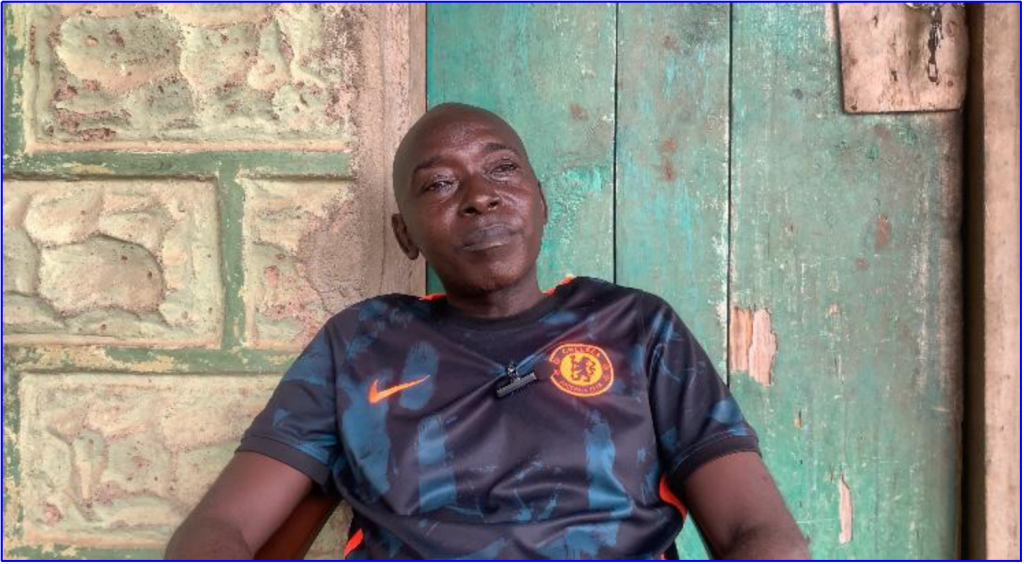
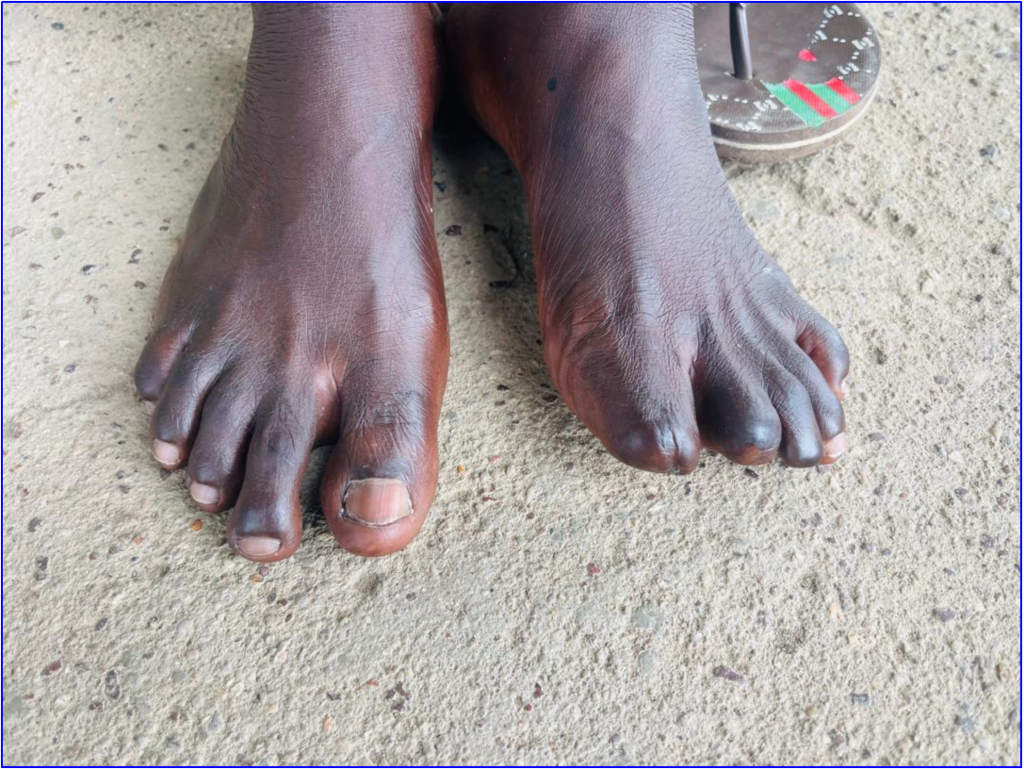
For men and women whose families’ livelihoods were tied to the mine, layoff notices — or, in many cases, the lack of notice — were a devastating blow. “I was unhappy working for Koidu Holdings. We had to protest just to be treated as humans,” said Osman Bucklin Shaw, an Assistant Project Manager with 21 years of experience at the company. In 2010, a workplace accident resulted in him losing several toes. He received no insurance payout or compensation; financial necessity compelled him to return to work despite his injuries. Today he is unemployed, unable to perform many forms of physical labour due to injuries that make wearing safety boots unbearable, and struggling to pay his children’s school fees. “I am at home now with no hope, no job, and no benefit paid to start a business,” he disclosed.
Other stories highlight the human toll. Sahr Opel Sumana, a former drifting assistant with 14 years of experience, has been permanently disabled due to a serious accident. Though Koidu Holdings funded a life-saving surgery in Ghana with the assistance of his union and family, his return was met with a token payment of 12,000 new Leones, which he claims barely touched the debts and ongoing medical needs that he faces. Sumana, who was reassigned to roles with even worse safety protections before his dismissal, is now struggling to feed his wife and children and describes an unbearable decline in living standards. “Sometimes, I ask my wife to take the kids away because I don’t want them to see me cry in pain,” he admitted.
Women in Kono have borne a disproportionate share of the consequences. She described the death of a paralysed scanner operator who was laid off without notice, leaving a widow and children without a safety net. She mentioned the death of a paralysed scanner operator who was laid off without notice, leaving a widow and children without a safety net. “Some of us have become widows; others are leaving their husbands due to hardship,” Vincent said, emphasising that all the women ever wanted for their husbands was fair treatment and humane working conditions. The group is now demanding full compensation for injured and deceased workers, as well as the settlement of all outstanding benefits.
Union leaders point to systemic flaws that predated the mass layoffs. Charles Kenesie, President of the Koidu Workers Union, blames problematic terms on a flawed agreement signed by previous union leadership in 2016 that, he claims, was never disclosed to workers. Even as the union and government sought peaceful solutions, Kenesie claimed that company management treated Koidu Holdings as “a Republic within the Republic.” “They told us that since they pay their taxes and above the minimum wage, the government can’t tell them what to do,” he remembered.
Government officials have cited clear legal obligations that, if met, would have helped to mitigate the crisis. According to Section 80 of the Employment Act of 2023, a worker who has been with the same employer for one year or more and is terminated for reasons other than gross misconduct is entitled to severance pay or an end-of-service benefit. Minister of Labour and Social Security Mohamed Rahman Swaray also mentioned Section 25 of the Employment Act, which requires employers to keep an end-of-service or gratuity benefits account. “Had Koidu Holdings complied, funds would have been available to pay the workers,” he said, adding that the company also failed to report workplace accidents and injuries, which was required by law. The minister pledged to continue working to update outdated safety legislation and improve worker education about their rights.
Legal experts and civil society leaders have urged for broader reforms. Emmanuel Michael. Tommy Gbondo Esq., a legal analyst, has warned that mining contracts in Sierra Leone frequently lack transparency and public consultation, undermining national oversight of valuable mineral resources. “Foreign investors come here to make a profit, not to solve our social problems. We will be dependent on companies like Koidu Holdings until we can manage our own resources,” he said. Brima Kanu, an activist, highlighted the mine’s wider economic impact in Kono, stating that the mine’s closure has affected not only households but also local businesses that rely on consistent income from mining families. “We are now seeing the ripple effects,” he told us.
Koidu Holdings has defended its decision to lay off employees, claiming that the move was motivated by an “unlawful act” by employees that allegedly cost the company millions. The exact nature of the alleged act has not been publicly detailed in full, and for the thousands of affected community members, the claimed losses do not alleviate the immediate hardship As calls for accountability grow, affected families and advocates demand that the company meet its statutory obligations, provide full compensation for injuries and deaths, and reinstate or remunerate workers fairly. As calls for accountability grow, affected families and advocates demand that the company meet its statutory obligations, provide full compensation for injuries and deaths, and reinstate or remunerate workers fairly. They also call on government agencies to enforce labour laws, ensure transparency in mining contracts, and expedite reforms to existing safety regulations. For those who previously relied on Koidu Holdings wages, the loss is more than just financial; it is the dismantling of years of sacrifice and the abrupt collapse of prospects that had sustained entire communities.
The situation in Kono has been widely described as a humanitarian crisis. Families go hungry, schools struggle with unpaid fees, and disabled ex-workers wait for medical attention that never arrives. What began as a list of workplace grievances has evolved into a test of Sierra Leone’s labour laws and mineral wealth management. For people like Osman Shaw and Sahr Sumana, the immediate need is simple and urgent: recognition of their injuries, payment of legally owed benefits, and assistance in restoring dignity to lives jeopardised in the pursuit of diamonds.
This investigation was supported by BBC Media Action, funded by the Deutsche Gesellschaft für Internationale Zusammenarbeit (GIZ) GmbH on behalf of the German Federal Ministry of Economic Cooperation and Development (BMZ), and co-financed by the European Union.
