
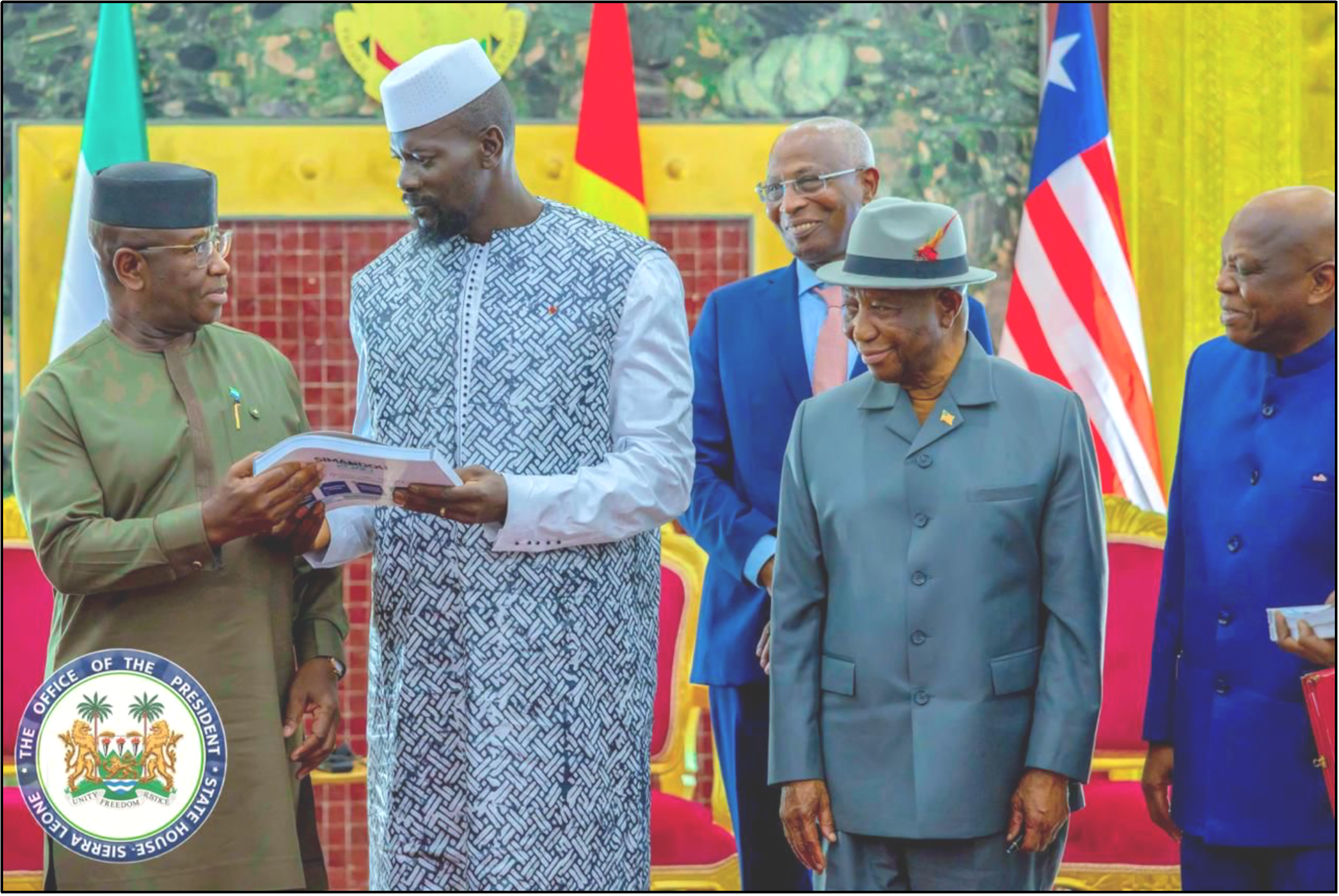
Conakry, March 2026 — Guinea, Liberia, and Sierra Leone’s presidents met in Conakry on Monday and pledged to strengthen cooperation on peace, security, and development along their common borders. Guinea’s Mamadi Doumbouya, Liberia’s Joseph Nyuma Boakai, and Sierra Leone’s Julius Maada Bio attended the tripartite summit, with Côte d’Ivoire as an observer. The discussions centred on easing recent tensions in border communities and reviving cooperation within the Mano River Union (MRU).
During the meeting, the three heads of state reviewed the security landscape along their common borders, emphasising the importance of ongoing dialogue and coordinated action in preventing future incidents. In a final communiqué, they expressed concern about the increasing number of crises and conflicts around the world, pointing out that developing countries bear the brunt of the economic, security, and humanitarian consequences.
The leaders reaffirmed their commitment to sovereignty, territorial integrity, political independence, and the principle of good neighbourliness, citing that these values underpin their countries’ long-standing friendship. They advocated for the restoration of peaceful coexistence in border communities and agreed that any territorial disputes would be resolved peacefully through diplomatic channels in accordance with Article 33 of the United Nations Charter.
To strengthen regional security, the presidents agreed on a set of practical measures to improve cooperation among defence and security institutions. Steps agreed upon include increasing joint border patrols, improving the exchange of intelligence and security information, and establishing rapid communication mechanisms to connect local authorities and security agencies. The policies are intended to improve collective responses to terrorism, transnational organised crime, trafficking, and other cross-border threats.
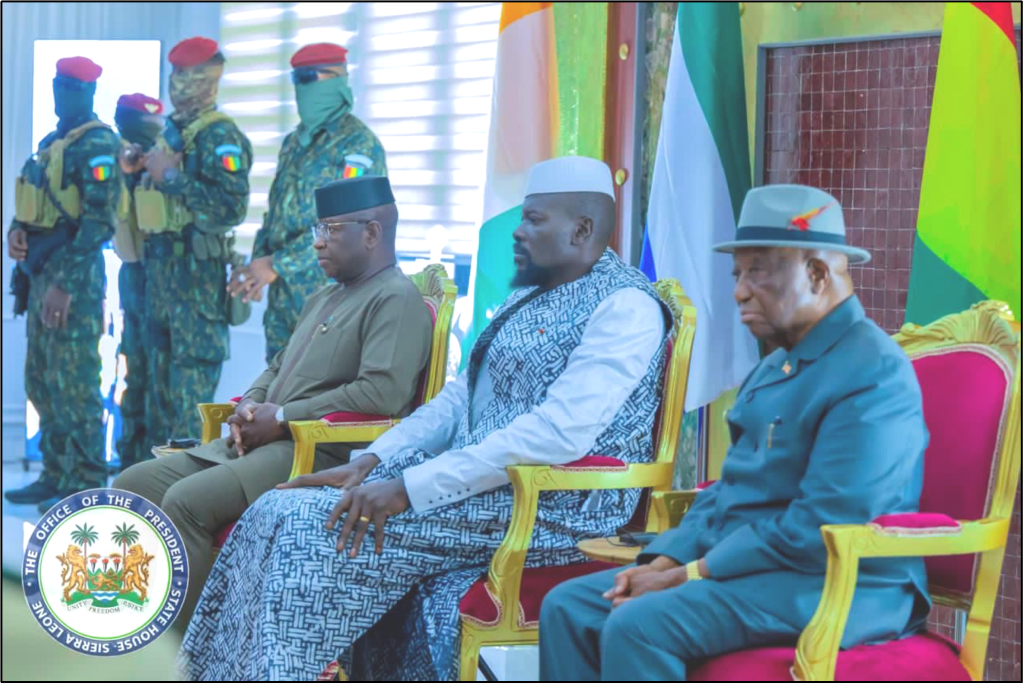
Recognising the importance of preventing flashpoints at the local level, the heads of state directed that national border management agencies convene immediately. These agencies are responsible for coordinating incident containment actions, facilitating community dialogue, and working toward agreed-upon solutions. They were also directed to continue technical work, with the assistance of regional and international partners, to clarify and demarcate territorial and maritime borders to reduce the risk of misunderstandings.
The summit emphasised the importance of aligning security efforts with development initiatives. The three governments agreed to promote economic activity in border regions as a means of achieving long-term peace, including deeper cooperation on trade, infrastructure development, energy projects, environmental protection, and measures that facilitate the free movement of people, goods, and services. Participants emphasised how improving livelihood opportunities and connectivity in frontier areas can address root causes of instability and promote long-term coexistence.
Leaders also agreed to strengthen joint border surveillance and conflict prevention mechanisms, and they announced plans to hold a Mano River Union summit within a month. That meeting aims to revitalise the MRU and foster more regular, institutionalised dialogue among member states on peace, security, and development issues.
At the end of the Conakry meeting, the presidents thanked the Guinean government and people for their hospitality and logistical support during the talks. They praised the discussions for having a “spirit of openness and fraternity,” and reaffirmed their willingness to conduct reciprocal working visits as part of efforts to strengthen bilateral ties, reinforce regional solidarity, and promote peaceful coexistence among their populations.
The Conakry summit combined immediate operational commitments with long-term diplomatic and development pledges, reflecting Guinea, Liberia, and Sierra Leone’s shared belief that coordinated, cooperative action is required to maintain stability along their shared borders. With concrete steps planned for security cooperation, border management, and economic integration, as well as a follow-up MRU summit, the three countries signalled their intention to translate diplomatic resolve into practical measures to prevent future tensions and advance regional prosperity.
