
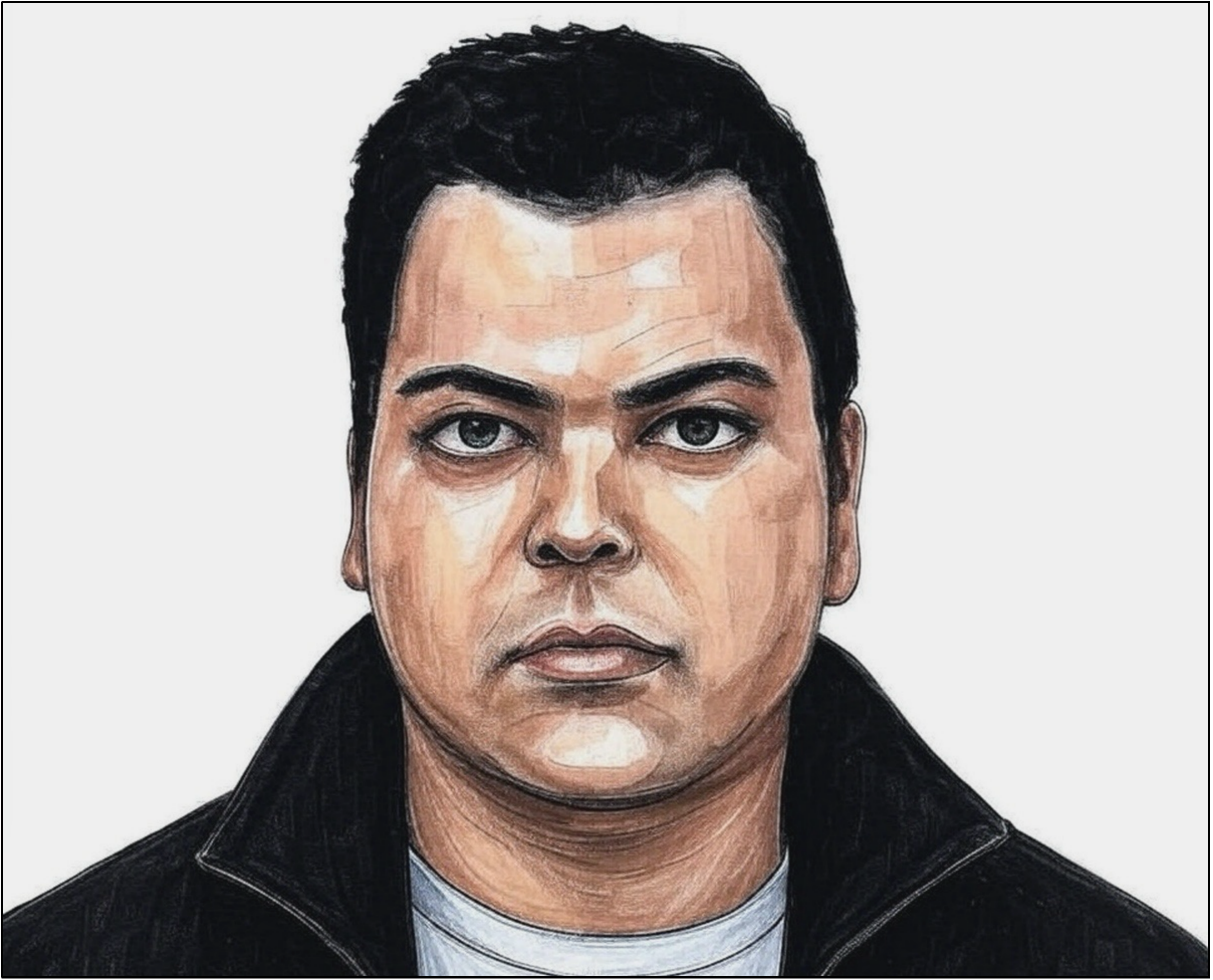
An illustration of Jos LeijdekkersMany Sierra Leoneans have welcomed President Julius Maada Bio’s recent announcement of sweeping measures to combat the country’s drug crisis. Still, it has also fuelled scepticism and urgent calls for the campaign to target not just low-level dealers, but also the alleged kingpins and global networks that, according to international news reports, have transformed parts of the country into a transhipment and processing hub.
President Bio, speaking at a high-level stakeholders’ meeting at State House attended by ministers, security chiefs, justice-sector leaders, and civil society representatives, described the Kush epidemic as one of Sierra Leone’s most serious threats to social stability, public health, and national security. He stated that the presentations and interventions at the meeting highlighted “a profound national urgency” and vowed to strengthen the state’s resolve against the scourge of Kush and all forms of drug and substance abuse. To that end, the President announced five major initiatives aimed at strengthening and accelerating the national response.
First, he announced the establishment of a Special Court to ensure the prompt and equitable resolution of drug-related cases. Second, a Special Security Unit will be formed, consisting of personnel from the Sierra Leone Police’s Operational Support Division (OSD) and the Republic of Sierra Leone Armed Forces (RSLAF), to conduct large-scale raids and make immediate arrests in high-risk areas.
Third, the Office of the Attorney-General and Minister of Justice was directed to expedite a comprehensive legislative review to impose harsher penalties, strengthen enforcement, and authorise asset seizures aimed at dismantling the financial networks that fuel the Kush trade. The President also promised improved interagency coordination and a zero-tolerance policy toward public officials who collude with traffickers: “Any public official found colluding with traffickers will face the full force of the law.” “No sacred cows!” he exclaimed. Despite the bold rhetoric, many Sierra Leoneans question whether these measures will reach the top levels of the trade networks.
Opposition leaders and ordinary citizens have urged the President to directly address international reports alleging that Sierra Leone has become a hub for cocaine processing and trafficking, as well as to commit to cooperating with foreign law enforcement where appropriate.
Jos Leijdekkers, a Dutch national who, according to international and local media reports and online coverage, has been linked to cocaine trafficking and is facing criminal charges abroad, has sparked public concern. Sierra Leoneans are urging the government to clarify whether the Special Court and Security Unit will investigate his activities in Sierra Leone and, if necessary, seek extradition to the Netherlands to ensure he serves any outstanding sentences.
Many people want the Attorney-General’s Office to confirm whether it will open lines of communication with Du. The willingness to confront powerful interests has been heightened by recent personnel decisions, which have increased the pressure on the Attorney-General’s Office to cooperate with Du. President Bio retained Andrew Jaiah Kaikai as Executive Director of the National Drug Law Enforcement Agency (NDLEA), despite the release of a leaked video allegedly showing Kaikai with Jos Leijdekkers at the 50th birthday celebration of former Chief Immigration Officer Alusine Kannneh in 2024. Critics argue that keeping Kaikai in the position undermines the President’s promise that no official will be protected if found to be colluding with traffickers. They are demanding an independent investigation into the circumstances and relationships depicted in the footage.
Anti-drug campaigners have called for transparency and accountability in the implementation of the announced measures. They want the Special Court to operate with clear due process safeguards, and they want asset-seizure laws to be applied impartially to remove the financial incentives that keep networks running. Many observers emphasise the importance of international cooperation, such as intelligence sharing, joint investigations, and extradition agreements, in effectively dismantling transnational trafficking networks.
For President Bio’s promises to translate into meaningful results, critics argue, the government must Critics argue that in order for President Bio’s promises to be fulfilled, the government must cooperate with foreign judicial authorities and transparently investigate any officials whose actions raise concerns about collusion. Until then, many are sceptical that the war on Kush and drugs will reach the top of the supply chain.
