
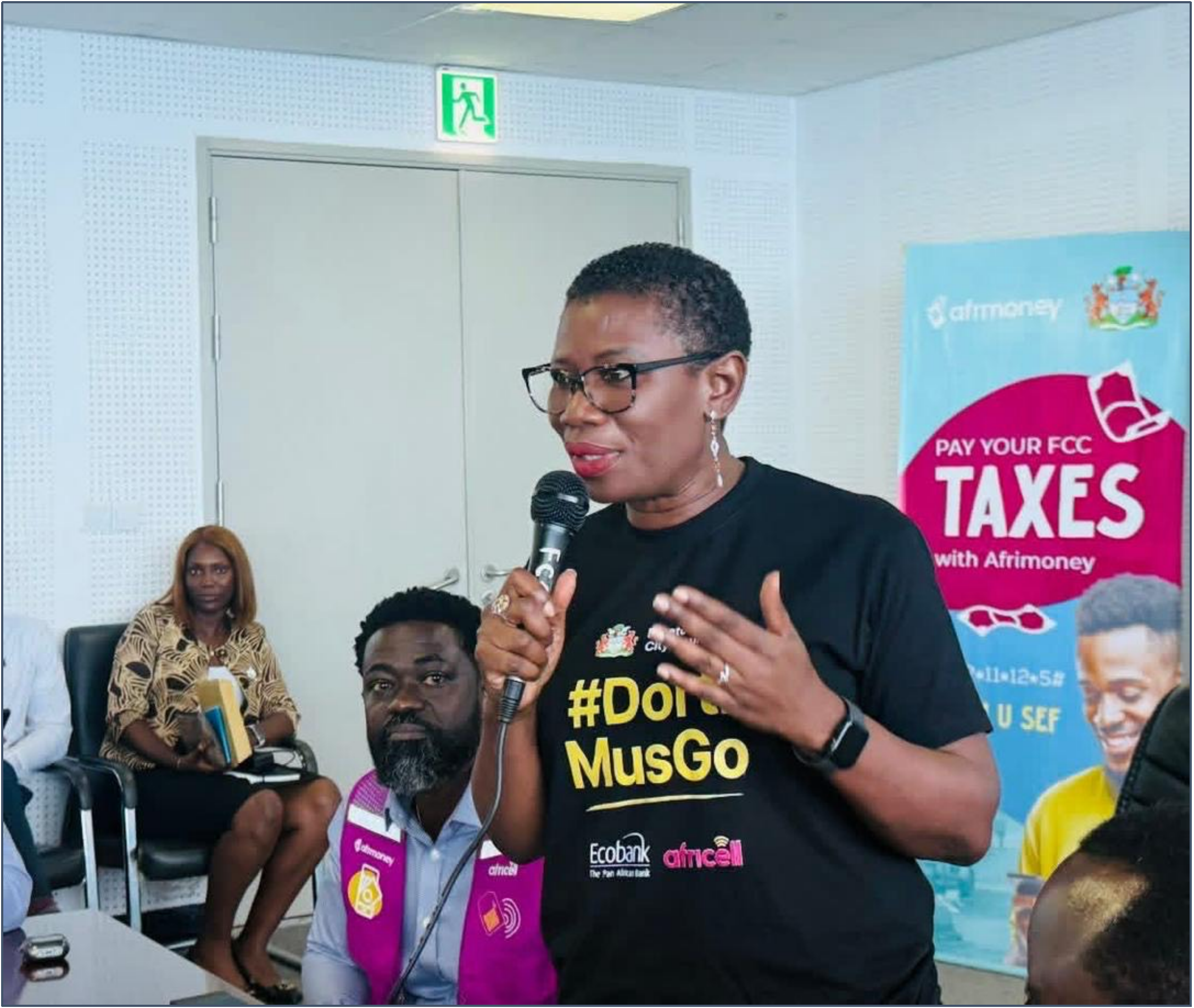
Afrimoney and the Freetown City Council (FCC) have launched a digital payment solution that allows residents and businesses to pay property rates and business licenses using their smartphones, eliminating the need to visit physical payment locations. The partnership, which was formally announced on Tuesday, October 28, 2025, at FCC offices in Freetown, aims to accelerate the city’s transition away from cash-based transactions while also improving revenue collection and service delivery.
The platform, created by Afrimoney and FCC’s technology and finance teams, allows citizens to make civic payments at any time and from any location. According to Martinson Obeng-Agyei, CEO of Afrimoney, the new service signals the end of the era of physically paying civic fees. “Afrimoney exists to power the digital transformation that everyone aspires to,” he stated at the event. He explained that users with an Africell SIM card registered on Afrimoney can make payments by dialling 16121112*5# and entering their property or business licence information, and that the system supports bulk payments for organisations and local governments.
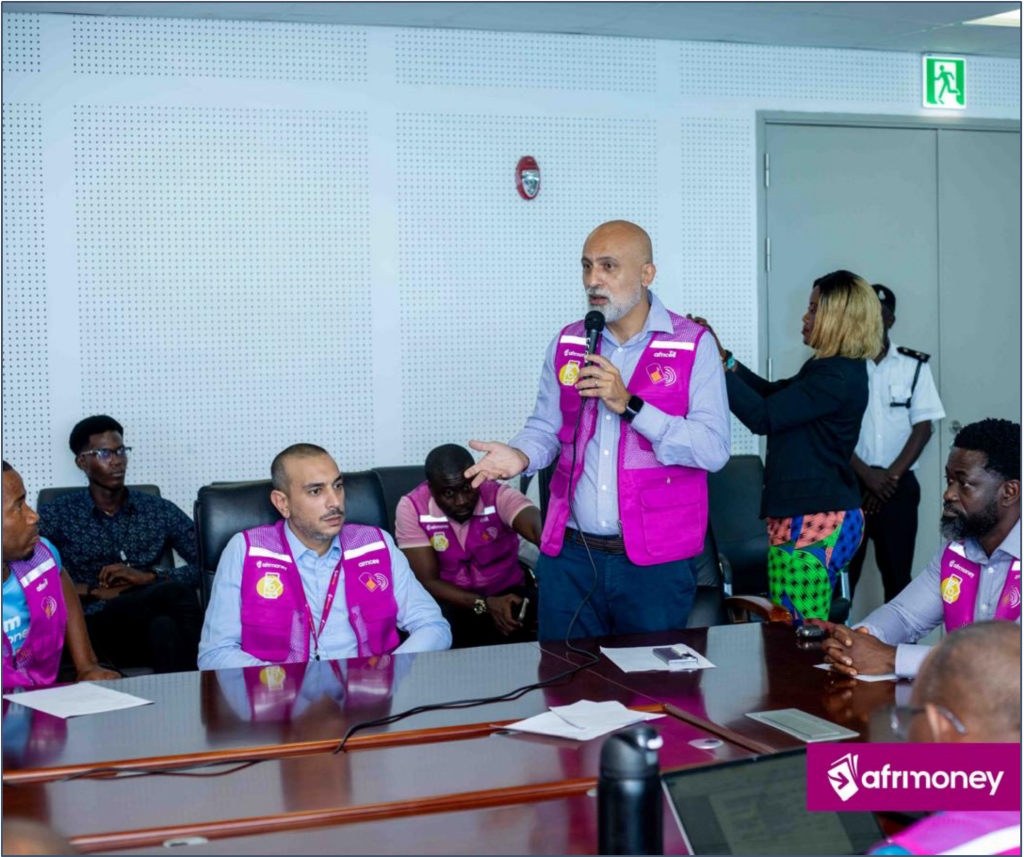
Obeng-Agyei emphasised that the platform was created to compete with cash in terms of convenience, saving users time, and encouraging timely tax compliance. He emphasised the convenience of paying with a phone, as well as the larger goal of encouraging responsible civic engagement through easier access to payment channels.
Africell Sierra Leone CEO Shadi Al-Gerjawi described Afrimoney as a digital service that many users have already adopted into their daily lives. “Afrimoney has been integrated into daily life, from buying necessities and paying for transportation to fueling at gas stations and paying restaurant bills,” he said, adding that enabling FCC payments was a logical next step. Al-Gerjawi encouraged individuals and businesses of all sizes to use the platform and its remote payment capabilities.
Mayor Yvonne Aki-Sawyerr hailed the collaboration as a significant step toward simplifying civic responsibilities, particularly for residents in remote areas. She linked the launch to the FCC’s ongoing sanitation campaign, “Dorti Mus Go,” and mentioned that 700 enforcement officers are currently training communities on how to comply with the city’s new bylaw. The Mayor also referred to the FCC’s previous digitisation efforts, which began in 2019-2020 with the use of satellite imagery to catalogue properties and issue demand notices.
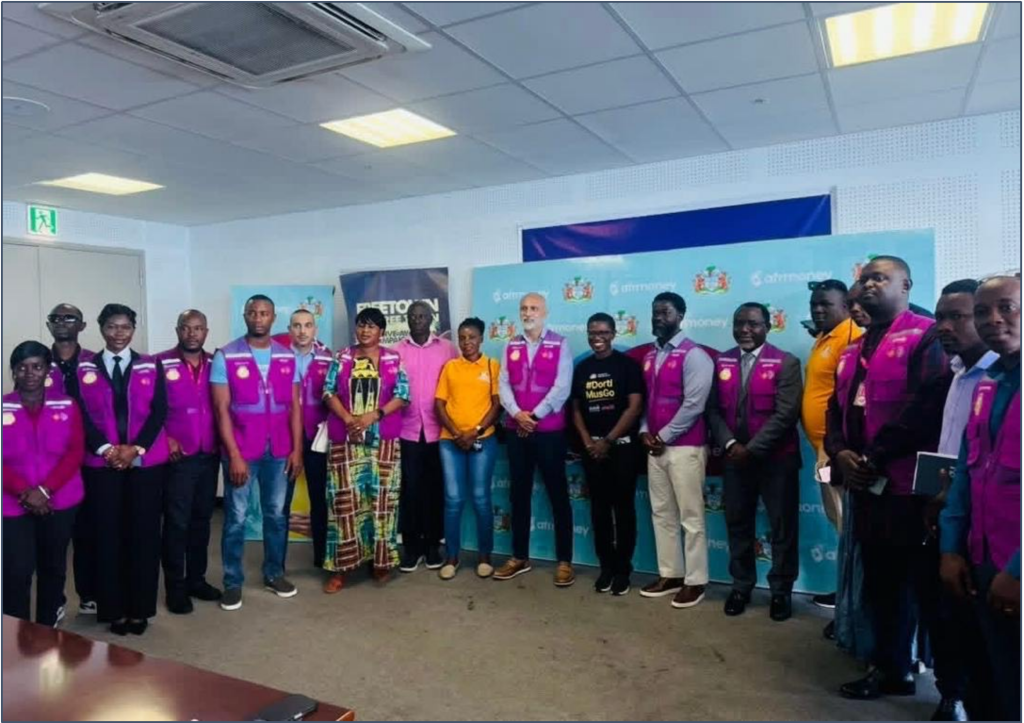
Before the Afrimoney integration, cashless payment options were limited to transactions at the FCC banking hall, requiring residents to travel and wait in person. With the new service, the bank is effectively brought to citizens’ phones, eliminating the barrier and allowing payments to be made remotely and at any time. Officials stated that this increased access should help residents meet their obligations more quickly, which will benefit city-wide initiatives such as sanitation drives and infrastructure projects.
The collaboration is part of Afrimoney’s larger mission to digitise financial transactions and reduce reliance on cash, while also supporting FCC’s goal of streamlining civic payments and improving collection efficiency. In addition to convenience, officials emphasised the public finance benefits: efficient tax collection funds essential services such as clean streets and public infrastructure.
Residents and businesses in Freetown are being urged to register and pay property rates and business licenses with Afrimoney. The FCC and Afrimoney hope to make compliance easier and more accessible by expanding digital payment options beyond the council’s banking hall to mobile phones, thereby moving the city closer to a fully digitised financial ecosystem.
