
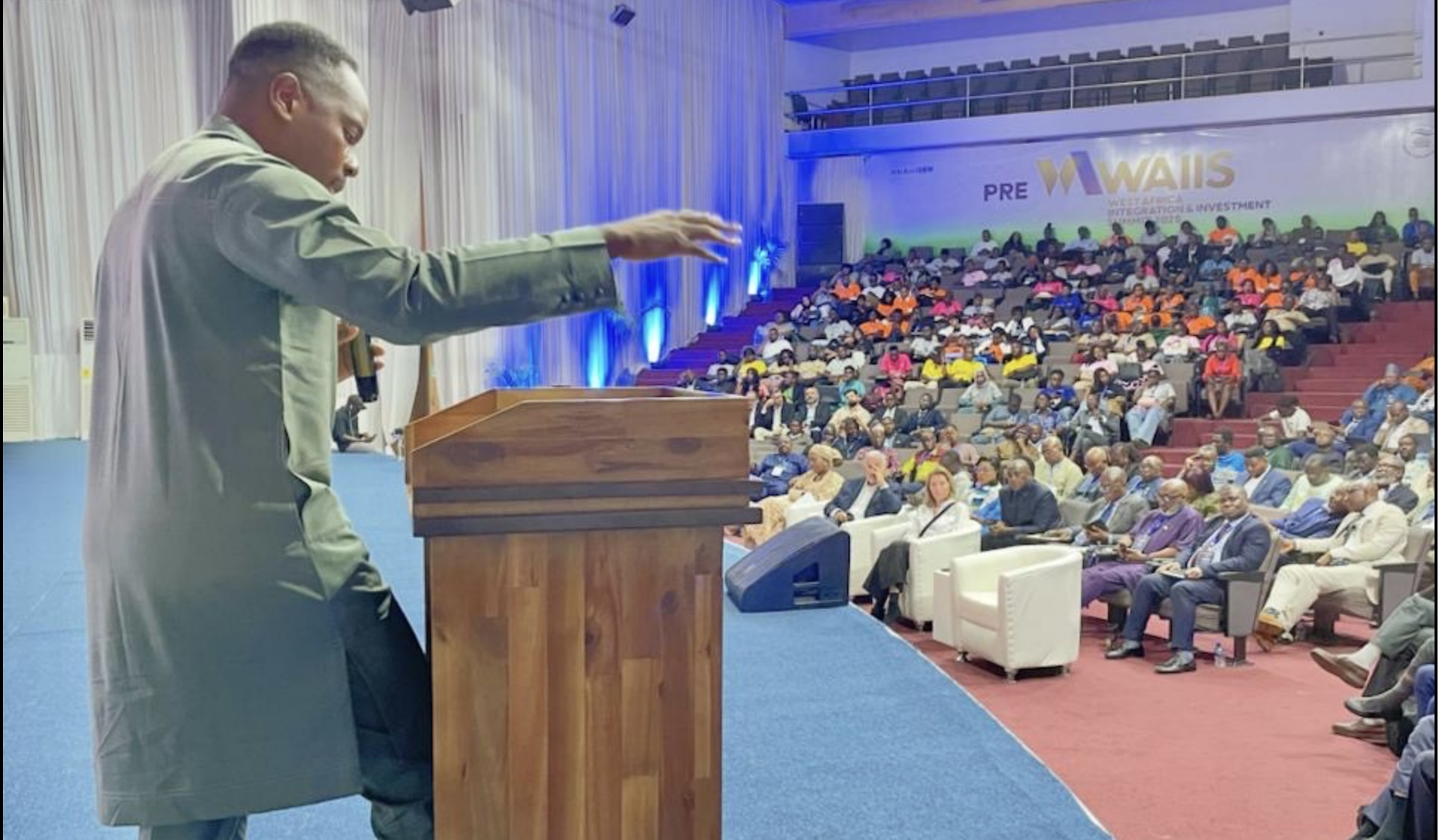
David Moinina Sengeh Speaking at the West African Integration & Investment Summit 2026Sierra Leone’s chief minister, David Moinina Sengeh, says greater cooperation among West African countries can unlock investment, build industries, and reduce reliance on imports as Freetown hosts the regional investment summit.
“Sierra Leone is still on track to become a middle-income country by 2039,” Sengeh told “African Business”. “We will deliver,” he said of the government’s work to improve public services, help businesses and expand the country’s productive sectors.
The ambition is set against a tough backdrop. Sierra Leone gained independence in 1961. It is rich in minerals and has strong agricultural potential. But decades of instability, including a brutal civil war from 1991 to 2002, hampered the country’s development.
Over twenty years after the war, sustained democratic governance has rekindled hopes for progress. President Julius Maada Bio, elected in 2018 and re-elected in 2023, structured his administration around a “Big Five” agenda. Its priority areas include food security, human capital development, youth employment, technology and innovation, and public-sector reform.
Chief Minister and Chief Innovation Officer Sengeh is central to coordinating the program across government. Sengeh believes that enabling business start-ups and operations will help the country achieve its development goals. One initiative is a digital one-stop platform to help investors navigate company formation procedures and regulatory requirements.
Improving the business environment, Sengeh says, is more than a technical exercise. The World Bank no longer releases the annual Ease of Doing Business rankings, but he believes the underlying goal is still important for Sierra Leone. It was not a project for us. “It wasn’t a World Bank project. It was an identity for how we changed our country,” he said.
The government wants to cut the number of steps investors must take to register businesses, comply with regulations, and pay taxes. Sengeh says simplifying complex processes and reducing the role of intermediaries will help make the country more business-friendly and attract investment.
His approach is also designed to solve real-world problems that can bog down projects. Ministries and government agencies hold delivery clinics to find out what’s getting in the way and agree on how to fix it. Officials are asked not just to set out goals, but to explain what can be done in the next six months and what help is required.
“Delivery is not theory,” Sengeh said. “We need delivery teams. We need all of it. But you also need to lead from the trenches.”
The clinics are meant to help the government overcome everyday bottlenecks like procurement delays, port congestion, and slow construction work. “Public agencies can solve problems faster, and those problems shouldn’t stall projects,” Sengeh argues. “There is no reason for a construction project to last longer than eighteen months,” he said.
Enhancing local production
Another key element of Sierra Leone’s economic plans is to reduce dependence on imports, especially in agriculture. The government said rice production rose to 1.38 million tons in 2024 from 1.31 million tons in 2023. Domestic production during the same period increased its share of the country’s rice requirements from 64% to 72%.
Sengeh also cites oil production as proof that local industries can grow. “Right now we are self-sufficient in oil, and we export palm oil and refined oil,” he said.
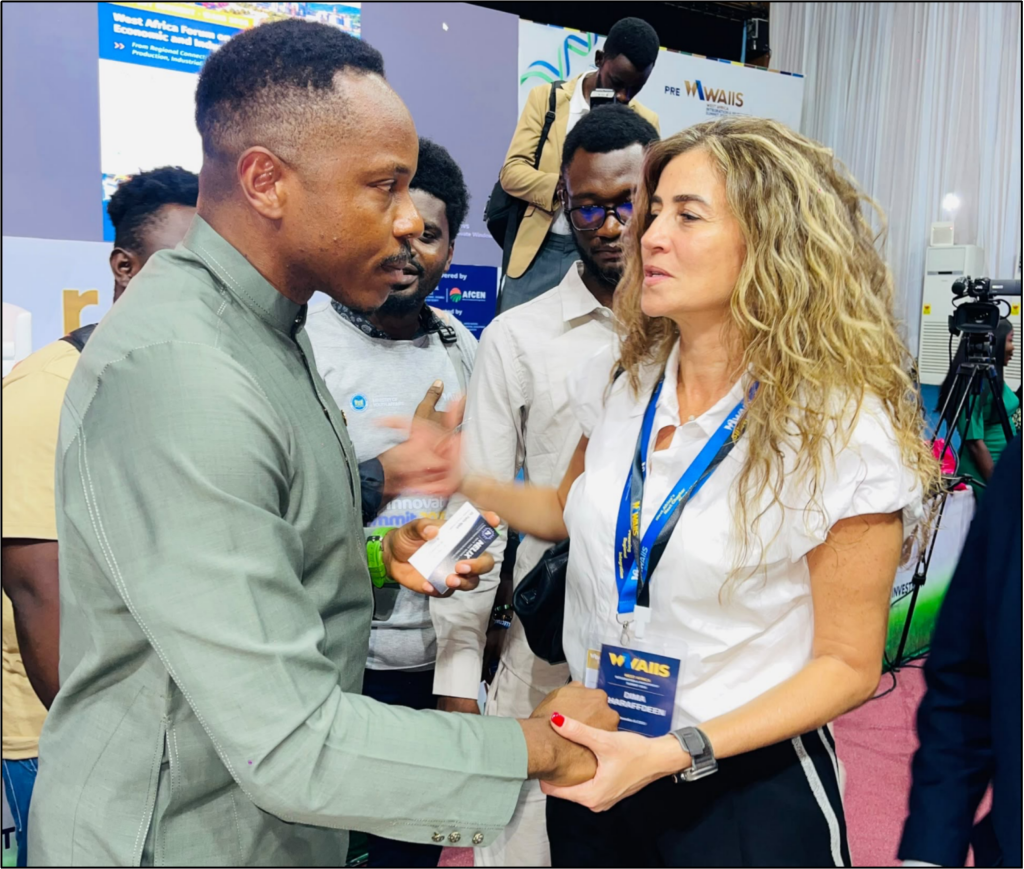
The government’s main aim is to achieve greater economic independence by using more of the country’s natural resources domestically. Sierra Leone wants to boost its processing and manufacturing capacity, not just export raw materials. “In the 1980s we pushed trade and shipped out a lot of minerals. “We’re all saying, ‘Let’s do beneficiation,’” Sengeh said.
This ambition is connected to regional cooperation. Guinea, Liberia and Sierra Leone have mineral resources, and face similar challenges in converting those resources into local economic value. Mineral processing requires reliable electricity, transport, skilled workers and large investments, which are hard for any one country to provide on its own.
“Cross-border cooperation can help make infrastructure more viable and help create bigger markets,” said Sengeh. Connecting several countries through electricity grids, shipping lanes and logistics systems could cut costs and benefit businesses across the region. “The idea is to think beyond one country, beyond one border,” he said.
He pointed to the West Africa Power Pool as an example of how regional linkages can boost access to electricity, with power crossing borders between countries including Côte d’Ivoire, Liberia, Guinea and Sierra Leone. He said shared shipping and logistics systems could benefit different economies rather than countries developing their own solutions.
Mobilisation of project capital
Another challenge is securing funding. Governments need to look for other sources of financing for infrastructure and other development projects as overseas development assistance is declining and private investment in frontier markets carries a high risk premium.
Sengeh cited the Baomahun Gold Project as an example of African development finance backing a major investment. The project reached financial close in December 2025 backed by a $330 million senior debt facility from the Africa Finance Corporation and the African Export-Import Bank. The financing, plus $100 million in gold-streaming and mezzanine commitments from AFC earlier, brought total African development funding for the project to $430 million.
He also pointed to the Nant power project developed by TCQ Power and Anergi. The project achieved financial close in November 2024 with $292 million in senior debt from the US International Development Finance Corporation and $40 million from the ECOWAS Bank for Investment and Development. The proposed 105-megawatt plant would almost double Sierra Leone’s electricity generating capacity.
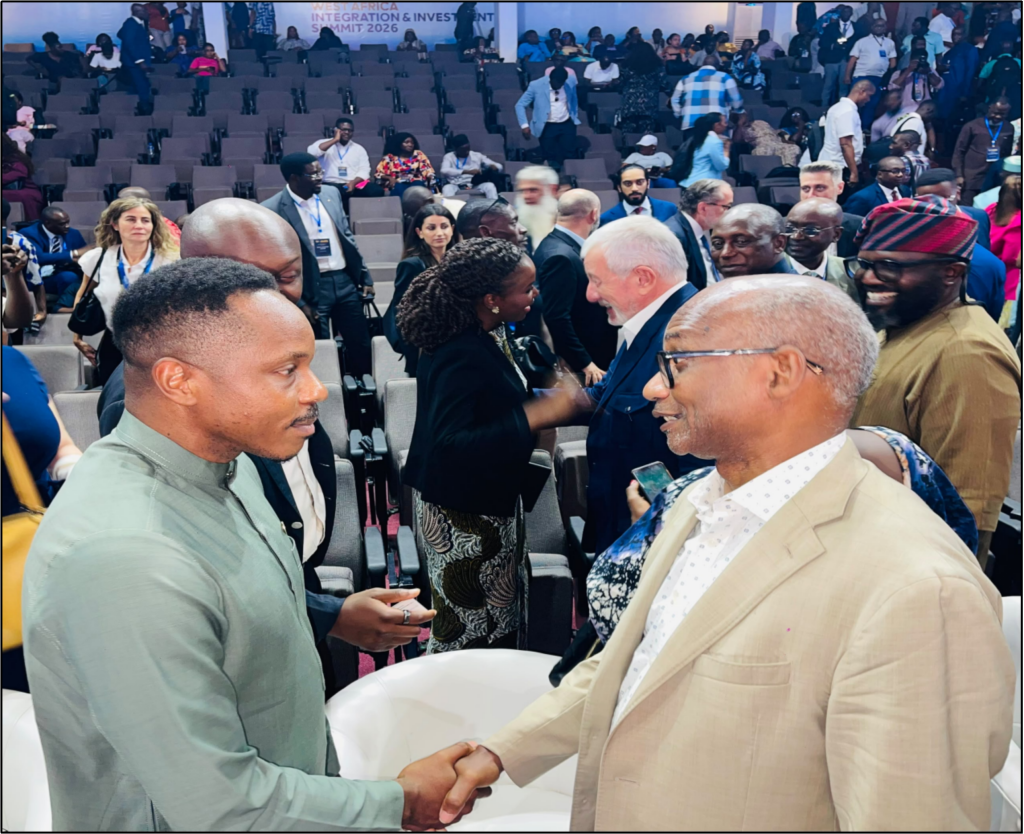
Such projects, Sengeh says, show how development finance institutions can use their capital to create investment opportunities in markets private investors would avoid. “If those private sector investors aren’t able to go into the true frontier and future, which is Africa, DFIs can help shape that,” he said.
He added governments also need to improve domestic revenue collection and find new ways to attract private investors to projects such as public-private partnerships.
At the centre of the West African integration and investment summit Sierra Leone will host in November will be these issues. The meeting is meant to advance a regional investment agenda that includes possible projects in energy, logistics, minerals, agribusiness, and digital connectivity.
But Sengeh admits Sierra Leone still has a long way to go. But progress can be seen in areas like education, such as the number of people getting an education, the number of girls completing quality schooling and exam pass rates, he says.
“We’ve got to do more,” he said, but insisted the country was making progress. His confidence extends not only to Sierra Leone but to the entire continent. “Africa has the resources, people and opportunities to create solutions in food security, agriculture, digital transformation and critical minerals,” he argues.
“Africa is the answer to every question,” he said. “The answer to the future of agriculture and food security is Africa. Africa is the answer to the future of digitalisation and transformation—the answer to the future of minerals, beneficiation and critical minerals in Africa. Africa is the future of human capital and labour.
