
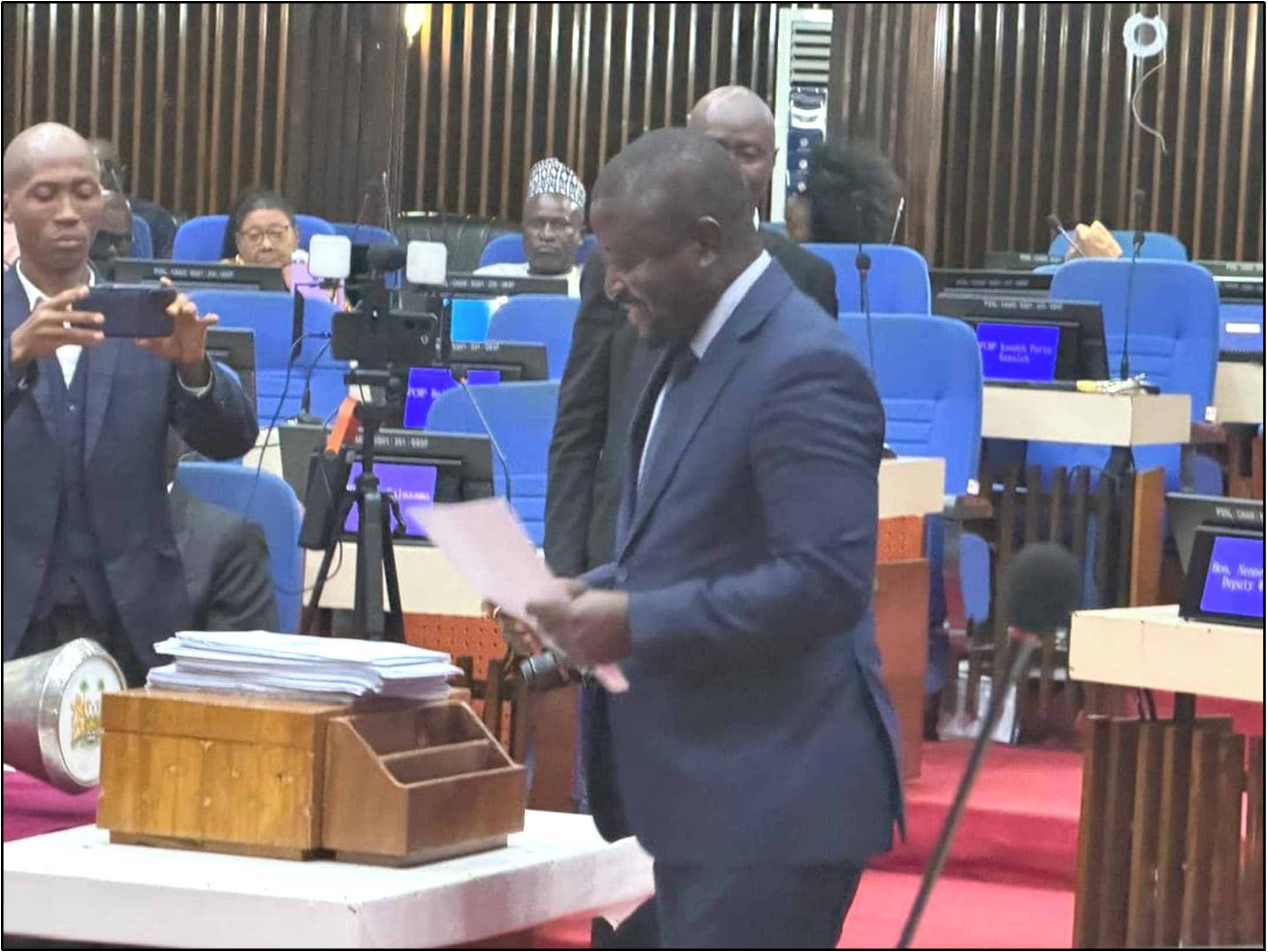
Freetown, July, 2026 – The Attorney General and Minister of Justice, Alpha Sesay Esq. has officially laid before Parliament the Protocol to the African Charter on the Establishment of the African Court on Human and Peoples’ Rights as part of efforts to deepen engagement with continental human rights mechanisms. Sierra Leone’s first domestic step to become an African Court State Party: presentation at Tower Hill House of Parliament.
The timing is significant: it is the 20th anniversary of the African Court on Human and Peoples’ Rights, an occasion for reflection across the continent on two decades of work to strengthen legal protections for fundamental rights. The decision, officials said, showed Sierra Leone’s willingness to take a more proactive stance in the regional human rights architecture while reaffirming its commitment to the principles contained in the African Charter on Human and Peoples’ Rights.
Sierra Leone shall deposit its instrument of ratification and shall become a State Party to the African Court on approval of the Protocol through the necessary parliamentary procedures and on completion of the government’s internal procedures. Ratification would further entrench the Court’s framework in Sierra Leone’s external legal obligations, providing citizens and civil society with an additional means of redress when domestic remedies are exhausted or ineffective.
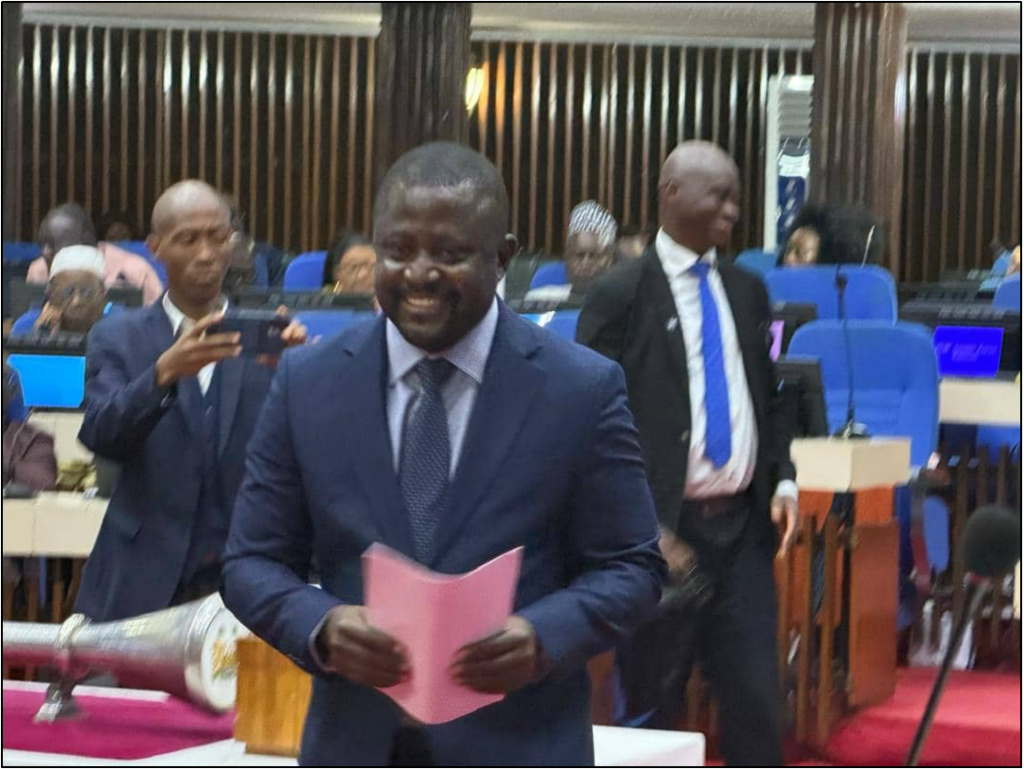
They said the initiative was part of a broader effort to modernise the country’s legal and justice systems in line with regional and international norms for domestic law and practice. Closer cooperation with regional judicial bodies can help reinforce the rule of law, enhance judicial independence and promote mechanisms for cross-border legal assistance and enforcement, officials say.
Sierra Leone is increasing its participation in international intellectual property regimes as part of the human rights initiative. The government has harmonised national policies with several major treaties administered by the World Intellectual Property Organisation (WIPO) and the African Regional Intellectual Property Organisation (ARIPO). These instruments set up international norms on the protection of copyrights, trademarks, patents, industrial designs, geographical indications and performing rights.
Berne Convention for the Protection of Literary and Artistic Works (1886); Madrid Agreement Concerning the International Registration of Marks (1891); Rome Convention for the Protection of Performers, Producers of Phonograms and Broadcasting Organisations (1961); WIPO Copyright Treaty (1996) and WIPO Performances and Phonograms Treaty (1996); Singapore Treaty on the Law of Trademarks
For legal experts, Sierra Leone’s adherence to regional human rights instruments and international intellectual property regimes is part of a wider ambition to improve constitutional governance and access to justice, safeguard fundamental rights and inspire innovation, investment and sustainable development. The Protocol will now be subjected to parliamentary deliberation and ratification procedures before any instrument of ratification is deposited, which will determine the timing and extent of Sierra Leone’s formal participation in the African Court.
