
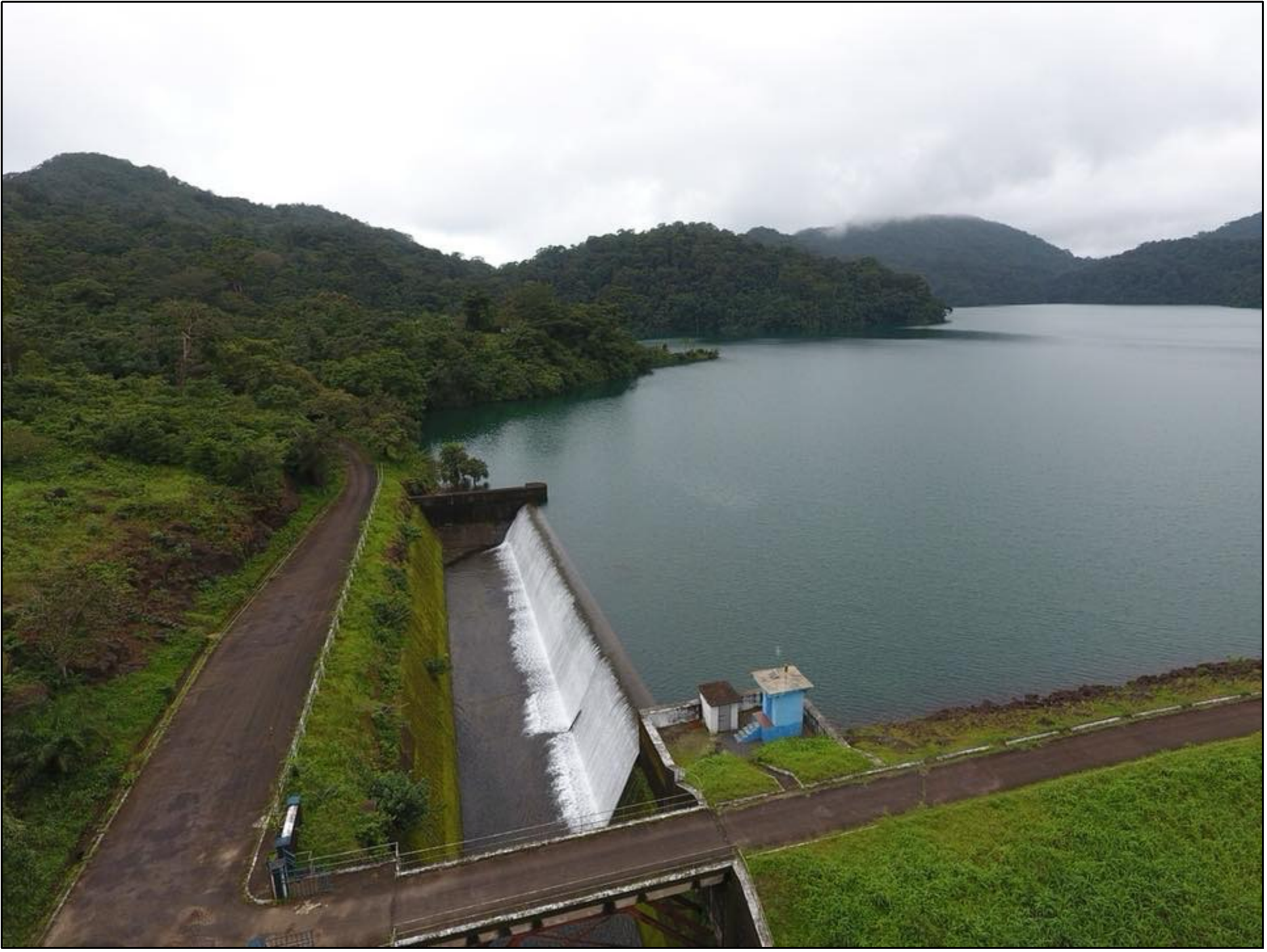
The world celebrates World Environment Day 2026 with the theme “Inspired by Nature. For Climate.” For Our Future,” Sierra Leone faces a stark reminder that nature’s health is essential to human survival, particularly the forests and watersheds that sustain Freetown and its surrounding communities. A recent assessment conducted by the Guma Valley Water Company (GVWC) between December 4, 2025 and January 8, 2026, revealed alarming levels of deforestation, settlement encroachment, and unsanitary human activity across critical catchments in the Western Area — trends that jeopardise the city’s water security.
For over sixty years, GVWC has been the primary source of potable water in Freetown and surrounding areas. That supply is almost entirely dependent on a network of natural and managed ecosystems, which include forests, rivers, streams, dams, and the Western Area Peninsula National Park’s protected lands. The assessment reveals that those systems are under unprecedented strain. While the Guma Dam and Kongo Dam catchments continue to be the Western Area’s primary water source, human activity is gradually eroding the natural safeguards that keep these catchments functional and resilient.
Field teams documented the rapid expansion of human settlement into buffer zones and, in some cases, within a few hundred meters of critical water infrastructure. Substantial forest loss was observed near Mile 13, Baw Baw, No. 2 River, Tacugama, and other communities bordering the catchments. Smaller catchments are faring even worse: the Angola Upper and Lower Weirs have experienced extensive deforestation, with residential construction encroaching dangerously close to water sources; the Mamba Ridge catchment has suffered severe degradation; and the Charlotte Weir has effectively ceased to function as a water source due to massive tree loss. The Hastings, Thunder Hill, White Water (Botanical Garden FBC), and Blue Water (Wellington) catchments have all been identified as becoming increasingly vulnerable to vegetation loss and illegal occupation.
These changes have an impact on both the quantity and quality of water, not just the aesthetics or the environment. Reduced forest cover reduces groundwater recharge and stream flow, increases sedimentation in reservoirs and channels, and reduces the landscape’s ability to mitigate flooding. Concerningly, GVWC’s assessment revealed bacteriological contamination in several water sources, which was largely attributed to the proximity of human settlements and unsanitary activities near catchments. Contaminated sources raise treatment costs and raise public health concerns if control measures fail or treatment capacity is exhausted.
The implications are far-reaching. Beyond the immediate effects on municipal water supply, loss of catchment integrity hastens biodiversity decline and reduces the landscape’s resilience to climate variability, making the Western Area more vulnerable to droughts, flash floods, and other climate-related shocks. In practice, this means higher water bills, more frequent and prolonged supply outages, and increased health risks for the city’s residents.
The GVWC’s message is clear: catchment protection is inextricably linked to water security, public health, and national development. To reverse the destructive trajectory, the government, communities, civil society, and development partners will need to work together and act decisively.
Government institutions in charge of environmental management, land administration, water resources, and protected area stewardship must urgently strengthen existing laws and policies. Illegal activities within protected and critical catchment zones must be halted and considered direct threats to national water security. Land-use planning, clear riparian and buffer zone boundaries, and rigorous permitting procedures are critical first steps.
Communities living near catchments must be mobilised as active participants. When technical support and incentives are provided, practical community-driven measures such as tree planting and reforestation, watershed restoration projects, adoption of sustainable farming practices, improved sanitation and waste management, and community-based monitoring programmes can produce rapid results. Public education campaigns are also necessary to ensure that citizens understand the direct relationship between healthy forests and a reliable water supply; behaviour change at the household and community levels reduces contamination risks and discourages harmful encroachment.
The GVWC is advocating for increased investment in catchment restoration and long-term watershed management, including reforestation programs, continuous watershed monitoring systems, and climate-resilient water infrastructure that can adapt to changing hydrologic conditions. To increase restoration and enforcement, the central government, international partners, and the private sector will all need to provide financial and technical assistance.
As World Environment Day 2026 reminds us, water starts in the forest. The survival of Freetown’s water supply is dependent on immediate and ongoing action to protect the Western Area’s catchments. Delays are costly — for ecosystems, infrastructure, and, most importantly, for the people who rely on clean, affordable water every day. Protecting these watersheds is critical for climate resilience, public health, and sustainable development.
