
Sierra Leone’s Ministry of Trade and Industry, with technical assistance from the United Nations Economic Commission for Africa (ECA) and financial backing from the Government of Japan, launched a three-day validation workshop to advance a Step-by-Step Guide for Trading Goods under the African Continental Free Trade Area (AfCFTA) and its companion Digital Trade Information Portal.
The AfCFTA brings together over 50 African countries into a single market of roughly 1.4 billion people and an estimated combined GDP of around USD 3 trillion, providing a wide-ranging opportunity for economic transformation. However, many traders, particularly Micro, Small, and Medium Enterprises (MSMEs) and businesses led by women and young entrepreneurs, continue to face challenges because trade requirements and procedures are dispersed, unclear, or difficult to access. Sierra Leone, a signatory since 2019, is now working to translate continental commitments into user-friendly instruments that facilitate cross-border trade.
The workshop brought together 60 representatives from government ministries and agencies, regulatory bodies, private-sector companies, and development organisations. The objectives include reviewing and validating the draft guide and online trade information portal, evaluating their accessibility and relevance for MSMEs and vulnerable groups, and providing hands-on training for stakeholders to use the digital platform effectively. Once the tools are finalised, the event organisers hope to strengthen coordination among public and private actors to ensure national ownership and widespread dissemination.
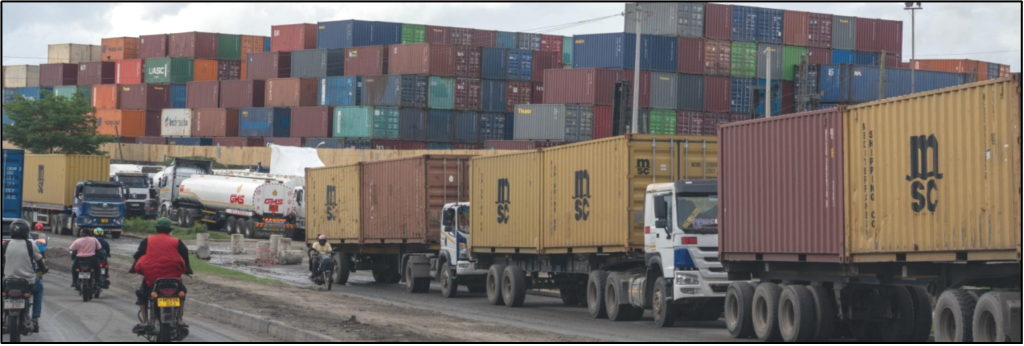
Chief Director Emmanuel Konjoh spoke on behalf of the Honourable Ibrahim Alpha Sesay, Minister of Trade and Industry, to outline Sierra Leone’s trade ambitions. The country aims to become a competitive and dependable exporter, shifting towards diversified and value-added products for African markets. Mr Konjoh emphasised the need for an inclusive trading system that benefits MSMEs, women, and youth, as well as an efficient and transparent trade environment that follows continental rules and standards.
Seraphine Wakana, the UN Resident Coordinator in Sierra Leone, linked the initiative to a broader reform agenda. Sierra Leone’s recent milestones, including the completion and gazetting of its AfCFTA Readiness Assessment Report, the establishment of a national schedule of commitments on trade in goods, and the launch of an updated National Trade Strategy for 2024-2030, demonstrate the country’s readiness to participate more fully and effectively in intra-African trade.
During the three-day program, participants will evaluate the guide and portal for clarity, usability, and practicality for various user groups, focusing on small businesses and marginalised traders. Training sessions aim to increase capacity among government officials and private sector representatives, transforming the digital platform into an operational tool rather than a theoretical resource. The workshop is also expected to produce a clear road map for finalising-and disseminating the guide and portal nationally.
The project aims to create a validated and improved Step-by-Step Guide, develop a publication and dissemination strategy, improve stakeholder proficiency with the Digital Trade Information Portal, and foster collaboration between government and businesses. Through this collaboration, the ECA reaffirms its commitment to assisting Sierra Leone in translating AfCFTA provisions into concrete economic opportunities and ensuring that traders throughout the country benefit from Africa’s single market.
