
For many years, women in Sierra Leone who were diagnosed with cervical cancer were frequently faced with the unavoidable decision of either trying to raise money to travel overseas for treatment or staying at home and only receiving palliative care. That is starting to change. Sierra Leone has quickly increased access to cervical cancer prevention, early detection, and treatment nationwide thanks to the Ministry of Health’s resolute leadership, as well as coordinated assistance from WHO, UNFPA, Friends of Africa, and international partners, including South-South assistance from Zambia and technical assistance from China.
The number of operational screening sites reached 25 by November 2025, when screening had been expanded to include at least one facility in each of the 16 districts of the nation. These services, which offer district-wide coverage and eliminate the need for long-distance travel for basic preventive care, have reached over 34,000 women since 2022. The expansion reflects a purposeful, coordinated national effort to build sustainable local capacity to manage the disease and provide evidence-based, cost-effective interventions closer to women’s homes.
Asserting the program’s institutional and political commitment, Deputy Minister of Health II Dr Jalikatu Mustapha stated, “The ministry, the government, and our partners are working together to address major health challenges and ensure a long-term path to cervical cancer elimination.”
Visual inspection with acetic acid (VIA), a low-cost and efficient technique for detecting abnormal cervical lesions that can be carried out at lower-level medical facilities, is the mainstay of the screening strategy. When precancerous changes are found, thermal ablation or the loop electrosurgical excision procedure (LEEP) is used to treat the patient right away. Both methods significantly lower the chance that lesions will develop into invasive cancer while removing abnormal tissue from the cervix. Cervical screening has been incorporated into HIV clinics and sexual and reproductive health services in an effort to reach a wider audience. This is a conscious decision to expand screening opportunities, particularly for more vulnerable women.
A key component of the rollout has been equipment and training. In all 16 districts, the Ministry of Health has trained numerous nurses, physicians, and clinicians in VIA, thermal ablation, and LEEP with the help of WHO technical assistance and funding from partners. WHO has helped the Ministry create a cost-effective National Policy and Strategy for Cervical Cancer Elimination, as well as a thorough investment case and costing exercise to direct resource mobilisation and long-term implementation. WHO has also offered continuous supportive supervision to ensure quality.
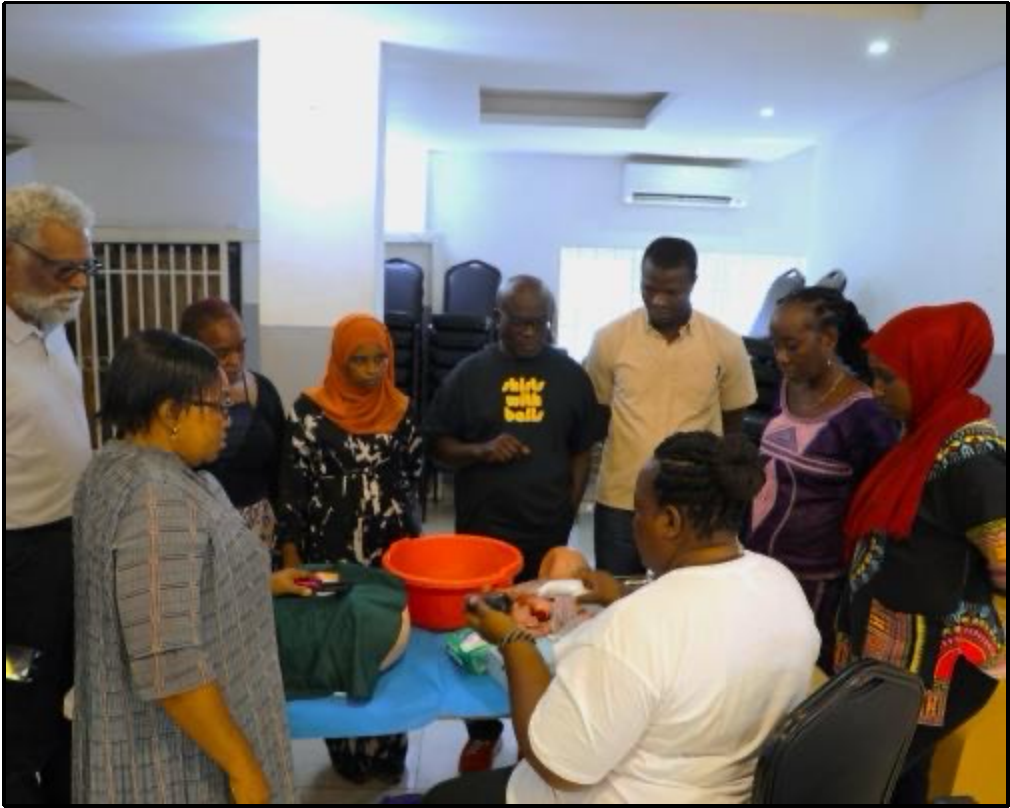
A vital part of the continuum of care for early-stage invasive cervical cancer is surgery. The Ministry began organising a series of surgical camps in 2024 with assistance from Friends of Africa, WHO, and South-South cooperation with Zambia. Expert Zambian gynecologic oncologists collaborated with domestic experts to conduct intricate procedures and offer practical guidance. Through hands-on training and mentorship, the third camp enhanced local surgical capacity and produced 11 life-saving surgeries in Sierra Leone by December 2025.
Dr Groesbeck Parham, a member of the surgical team and Senior Expert for the Cervical Cancer Elimination Initiative, stated, “We have helped train health workers and provide equipment for the delivery of both screening and treatment services.” In addition to providing individual care, the camps aim to equip Sierra Leone’s medical workforce with the knowledge, procedures, and self-assurance they need to handle cases on their own.
For women who have benefited directly, the human impact is already evident. Ramatulai Kamara, who had surgery at a national facility for invasive cervical cancer, described the change. She experienced excruciating pain and ongoing bleeding before surgery, which interfered with her ability to work and her family life. Since I couldn’t afford to get treatment in Ghana, I was thrilled with the outcome of the surgery. Within a week of the surgery, I was operating normally again,” she said. “I never imagined I’d be standing here as strong as I am now, after everything I’d been through.”
By setting up a cervical cancer screening and prevention centre, the Princess Christian Maternity Hospital in Freetown, which serves as both the nation’s teaching hospital for obstetrics and gynaecology and its primary referral hospital for women’s health, has taken the lead. According to medical superintendent Dr Amadu Sesay, “it empowers women and ensures their health is prioritised,” emphasising the value of a robust national centre for training, referral, and specialised care.
The Ministry and its partners are committed to maintaining and growing these successes in the future. WHO is working with development partners and vaccine alliances to secure the resources and technical assistance needed for long-term implementation, and it continues to support capacity building at all levels of the health system. Partners like Gavi are cited as being essential to resource mobilisation, and the investment case and costing exercise act as a financial roadmap to identify high-impact interventions and raise funds.
“The government, UN agencies, the private sector, and partners like Gavi and the Vaccine Alliance must all work together to eradicate cervical cancer,” stated Dr George Ameh, WHO Country Representative in Sierra Leone. Building capacity throughout the health system is crucial, he emphasised, to guarantee that the interventions and progress made thus far are maintained.
In addition to improving treatment results right away, Sierra Leone’s growing services, workforce training, and improved referral systems are strengthening the groundwork for a more resilient and just healthcare system that is better able to leave no woman behind.
Subscribe to Updates
Get the latest creative news from FooBar about art, design and business.
Sierra Leone increases cervical cancer screening, treatment, and surgery

gleanernewspaper
Gleaner Newspaper is the Home for exclusive local news, views, and adverts from Sierra Leone. Publisher: Gleaner Communications Sierra Leone.