
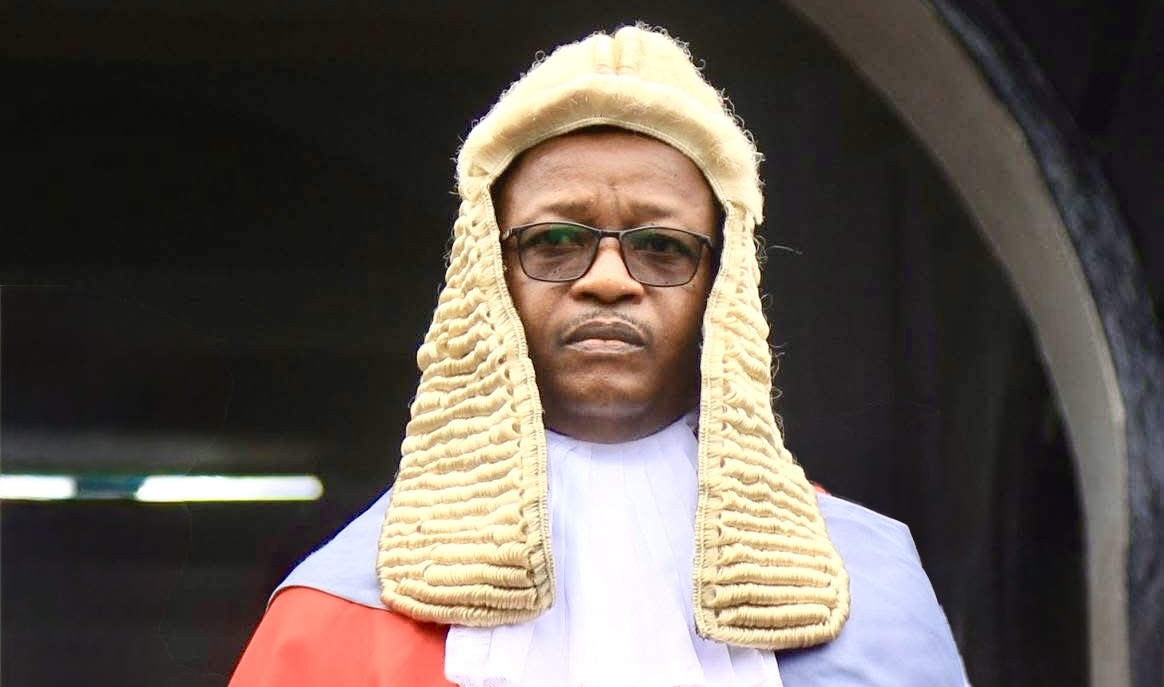
Justice Komba KamandaHis Lordship Honourable Justice Komba Kamanda has initiated a comprehensive reform program that is quickly changing Sierra Leone’s judiciary, rebuilding public trust, and enhancing access to justice throughout the nation in just over a year since his appointment. Chief Justice Kamanda has emphasised transparency, decentralisation, capacity building, and steps to lessen court backlogs and prison overcrowding, garnering widespread recommendations and commendation from various public segments as well as from international diplomats. One of the most significant reforms has been the opening of the courts and increased public awareness of judicial activities.
Under his leadership, the judiciary has worked to make its processes and operations more accessible to the general public, while also taking concrete steps to clear a backlog of cases that had been stalling justice for many Sierra Leoneans.
Case assignment has been expedited, and active case management has contributed to visible reductions in the backlog that previously congested courts across the country. In November 2025, the Court of Appeal announced a historic shift toward decentralisation, beginning circuit sittings in the provinces for the first time in the country’s history.
The initiative began with sittings in Makeni, serving the North-East and North-West regions, and Bo, serving the Southern and Eastern regions. The reform seeks to reduce travel burdens, expedite appeals, and boost public trust in the justice system by bringing the Court of Appeal closer to litigants outside the capital. Responding to the urgent need for more sensitive treatment of gender-based violence, Chief Justice Kamanda recently commissioned a purpose-built Sexual Offences Model Court in Makeni.
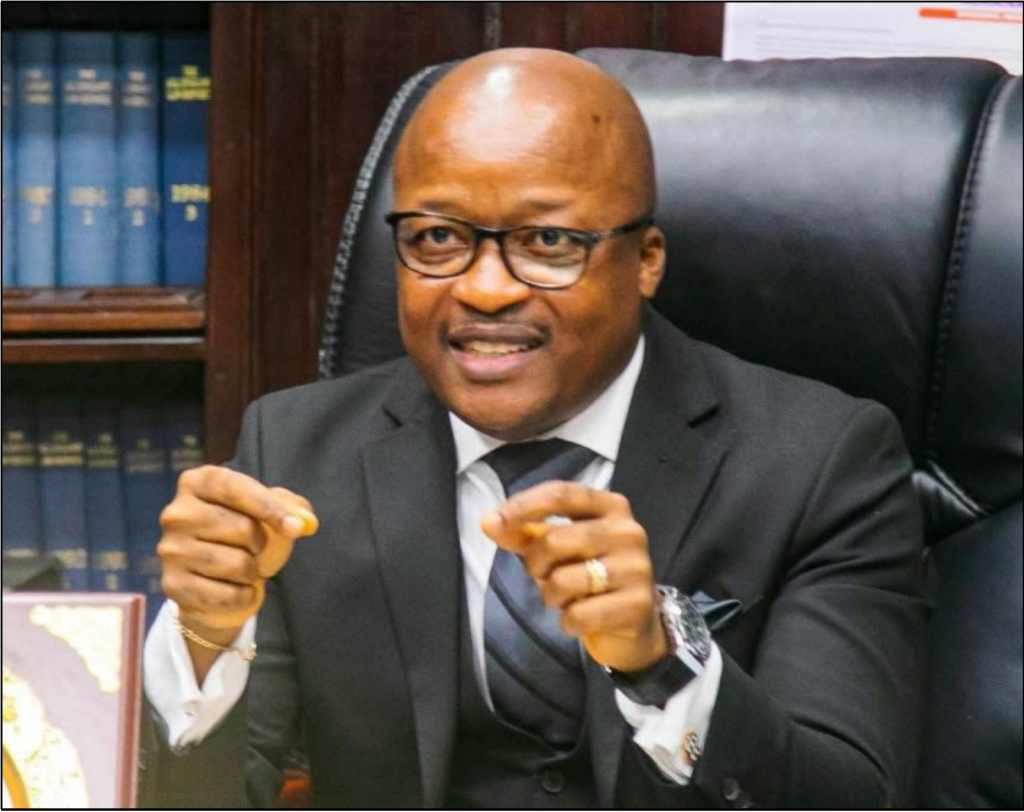
The facility includes a victim-protection witness box, a child-friendly waiting area, and designated spaces to provide survivors with dignity and care. He referred to the court as a “milestone” in ensuring timely, fair, and compassionate justice in cases of gender-based violence.
To combat prison overcrowding and the plight of vulnerable inmates, the Chief Justice launched the Prisons Court Monitoring initiative in July 2025. Six judges were dispatched to correctional facilities across five days, including those in Bo, Kenema, Makeni, Kabala, and Port Loko, among others. The judges reviewed lengthy cases, reassessed bail terms, and assessed the legal status of inmates with special vulnerabilities, resulting in immediate interventions in many cases and demonstrating a hands-on approach to justice administration.
Institutional strengthening has been another key component of the reform agenda. In October 2025, the Judicial and Legal Training Institute provided intensive training on the Criminal Procedure Act (CPA) of 2024 to thirty-eight magistrates. The course focused on the CPA’s progressive provisions, such as alternative sentencing options and efforts to align domestic procedures with international human rights standards.
These efforts demonstrate the Chief Justice’s commitment to providing judicial officers with not only authority, but also the knowledge and professionalism required to exercise it fairly.
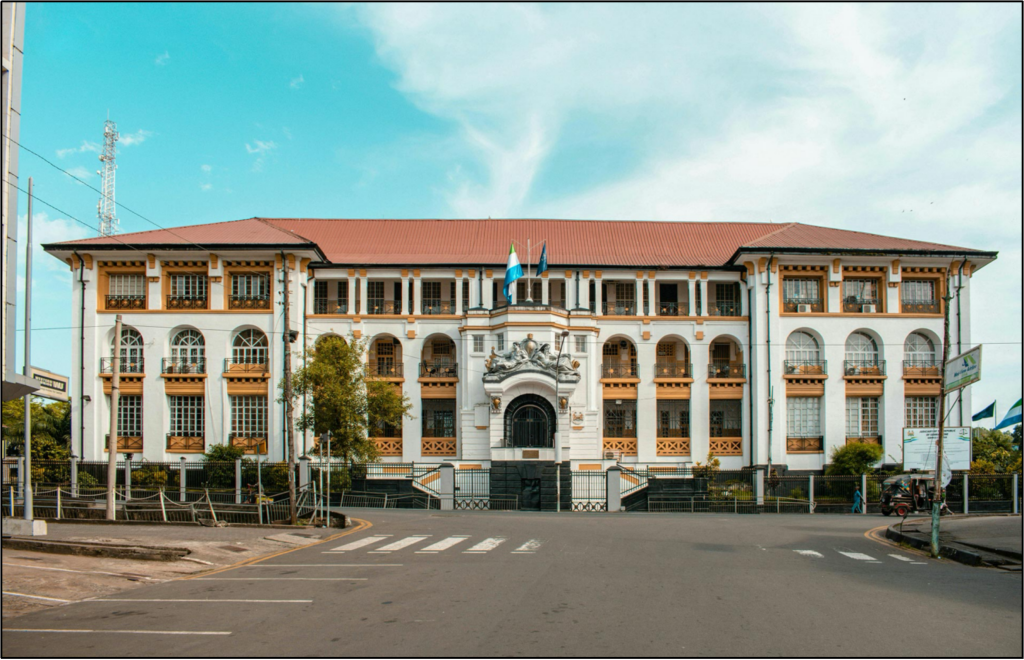
Chief Justice Kamanda has also made significant investments in legal research infrastructure, establishing an ultramodern library at Freetown’s Main Law Courts Building. The facility combines a traditional physical library with a fully functional e-library, providing free internet access, CCTV security, and a high-capacity photocopier to help preserve and share resources. It is open to judges, magistrates, lawyers, and law students, and it aims to promote legal education and informed decision-making throughout the judiciary.
To promote transparency and public engagement, the judiciary launched “The Judiciary magazine,” a publication that informs citizens about judicial activities, reforms, and developments.
As these reforms take root, prominent Sierra Leoneans and international observers praise Chief Justice Kamanda’s leadership. Many people believe the measures he has advocated for — from decentralised Court of Appeal sittings and specialised courts to prison monitoring and capacity building — are a critical step toward a more responsive, efficient, and humane justice system for all Sierra Leoneans.
