
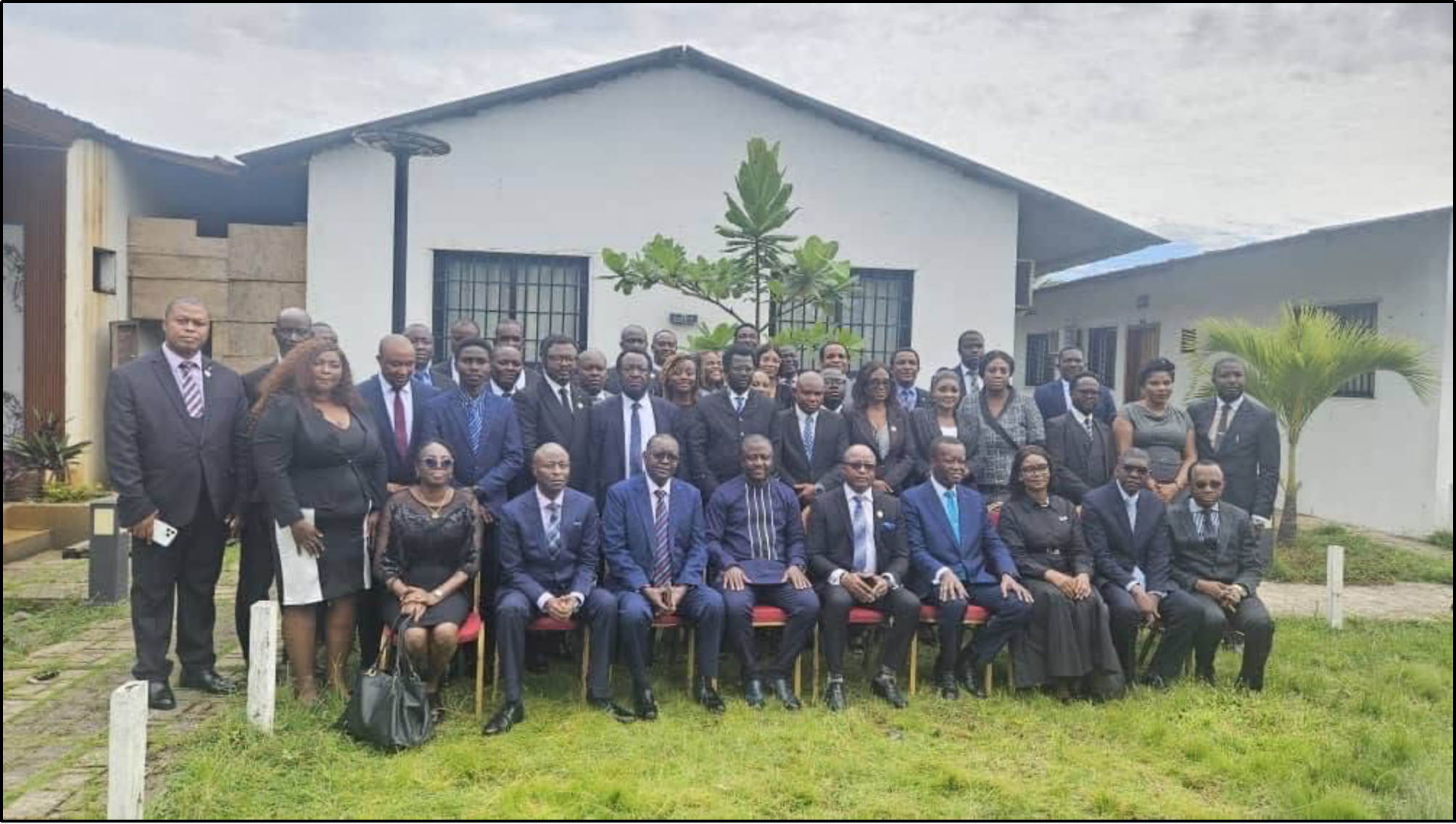
Sierra Leone’s Judiciary, through its Judicial and Legal Training Institute (JLTI), has ended a two-day capacity-building programme for thirty-eight magistrates from across the country to familiarise them with the new Criminal Procedure Act of 2024. The training is part of Chief Justice His Lordship Justice Komba Kamanda’s larger reform agenda to improve judicial efficiency and administration of justice. According to the Chief Justice, the professional development sessions are designed to keep magistrates up to date on the Act’s provisions and to improve their ability to apply the law effectively in court. He also praised JLTI’s careful selection of training facilitators and acknowledged the important role of development partners in programme delivery.
“I have carefully looked at the facilitators and the agenda—the topics are rich, and they were carefully selected by the Judicial and Legal Training Institute,” the Chief Justice said, emphasising the judiciary’s commitment to ongoing professional development. The training is supported by development partners, including the United Nations Development Programme (UNDP) and the Justice Sector Coordination Office (JSCO). The Chief Justice emphasised the importance of ongoing collaboration with such organisations in implementing justice sector reforms.
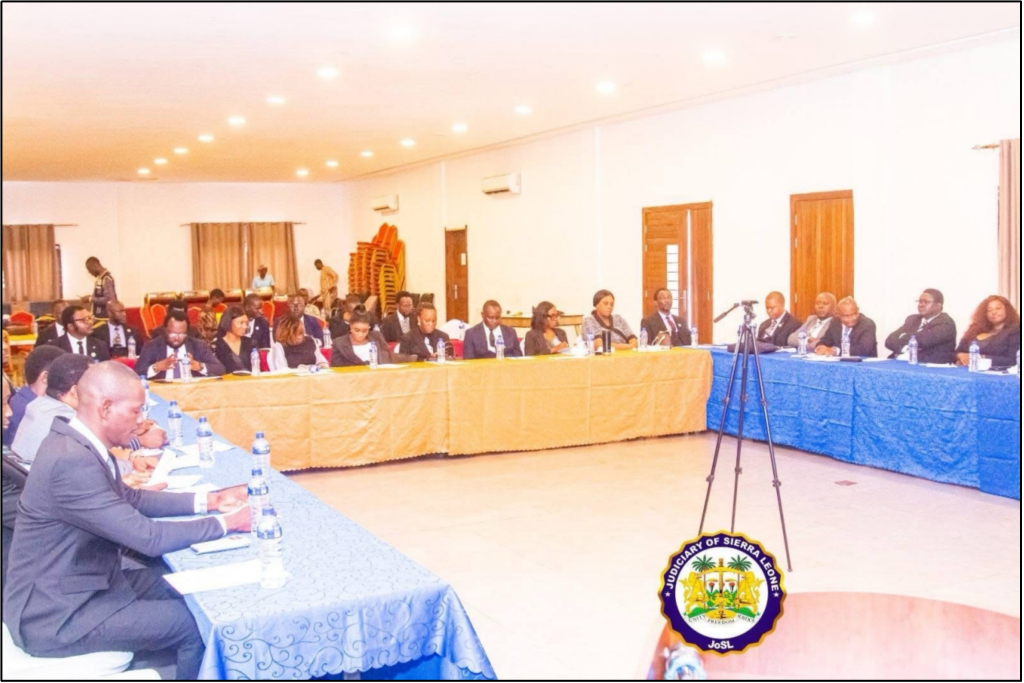
Supreme Court Judge Honourable Justice Eku Robert praised the Chief Justice’s leadership and thanked him for promoting capacity building among judges, magistrates, and judicial staff through JLTI. Justice Robert also thanked fellow judges for their continued support of the institute’s initiatives.
Honourable Justice Fatmatta Bintu Alhadi JSC, who is coordinating the training, explained that the program’s primary goal is to improve magistrates’ professionalism and keep them up to date on the changes brought about by the Criminal Procedure Act of 2024. She expressed gratitude to UNDP and the JSCO for their assistance in making the training possible.

Attorney General and Minister of Justice Alpha Sesay Esq. examined the substantive changes brought about by the new Act. He stated that the 2024 Criminal Procedure Act includes several provisions that were absent from the previous 1965 law, with a focus on modernising the justice system and aligning procedures with international human rights standards to ensure fair judicial processes.
The new Act provides for native sentencing, which includes Community Punishment Orders as well as suspended and deferred sentences for offences with terms of up to two years. He praised the Chief Justice’s reform efforts and JLTI’s unwavering commitment to continuous capacity building for Bench members.
